

Programmes
10 Sep 2026
Orbital Data Centres and the Limits of National Jurisdiction over Technology Firms
The largest technology firms are moving their data centres into low Earth orbit, having pushed terrestrial infrastructure to the physical and environmental limits of what it can supply in power, cooling and land to an artificial intelligence sector whose demands keep compounding. SpaceX has set the fourth quarter of 2027 for the launch of its first generation of computing satellites, targeting one gigawatt of orbital data centre power capacity in that same year and one hundred gigawatts by 2030. The scale of the pressure behind that schedule is visible in the wider market, where global data centre demand is estimated to require investment approaching €5.7 trillion before the decade closes.
What presents itself as an engineering migration is in substance a redistribution of sovereign authority. Moving processing beyond national territory removes technology firms from the reach of the data localisation rules, compliance regimes and tax frameworks that states have spent a decade constructing. For Arab states the challenge is immediate. Having invested heavily in domestic digital infrastructure and imposed strict data residency requirements, they now face the prospect that the server handling their citizens’ data sits five hundred kilometres overhead, beyond the enforcement reach of their courts.
This analysis therefore examines the economics of moving computation into orbit and the limits of its viability; traces the legal gap that allows technology firms to shelter behind the jurisdiction of the state of registry in order to avoid the laws of every other state; assesses the risks of monopolistic concentration and the environmental costs borne collectively; and identifies the regulatory instruments available to Arab states in defence of their digital sovereignty, chief among them the management of radio-frequency spectrum, satellite landing rights and the supervision of ground gateways.

Programmes
8 Sep 2026
From Dependency to Influence: How the Global South Changed the United Nations’ Map?
The United Nations General Assembly’s resolution on ‘Correct the Map’ extends beyond the technical debate over map projections. It reveals a new arena of symbolic contestation in which countries of the Global South are seeking to renegotiate how the world is represented. The resolution encourages the use of equal-area projections, particularly Equal Earth. It neither prescribes a single map nor alters national borders but confers explicit UN legitimacy on a longstanding African demand: that the continent should not be depicted in education, the media or international institutions in ways that diminish its spatial weight relative to northern regions. Viewed in this light, the vote represents more than a geographical correction. It marks a political breakthrough in ‘visual governance’, where knowledge intersects with power and the image of the world presented to the public becomes a matter for negotiation within the multilateral system.
This initiative comes at a time when countries of the Global South are increasingly able to place questions of identity and representation on the international agenda. The resolution’s adoption demonstrates that soft power operates not only through culture and discourse but also through the standards that shape public knowledge. Changing a map projection will not, in itself, redirect investment or reconfigure supply chains. It does, however, provide a narrative instrument through which countries in Africa, Latin America and South Asia can highlight the scale of their markets, the reach of their corridors and their position within global resource and trade networks. ‘Visual emancipation’ thus offers a means of presenting the South’s geoeconomic weight anew: a framework that helps make its material sources of power more visible and encourages them to be taken more seriously.
Throughout history, maps have been among the most influential instruments of epistemic authority. They serve practical purposes in navigation and administration, while also determining what occupies the centre, what appears at the margins, how borders are drawn and how places are named. Cartography has therefore been inseparable from the state and empire. Maps have been used in surveying, taxation, military campaigns and the delineation of spheres of influence, helping to turn geographical space into a domain that can be administered and controlled. Every map carry, alongside its data, assumptions about purpose, scale, projection and the viewer’s standpoint. Reading a map consequently requires more than asking whether it is accurate. It demands a more political set of questions: accurate for what purpose, who chose this way of depicting the world, and what perceptions does that choice entrench when it becomes a widely accepted standard?
Since the sixteenth century, the Mercator projection has occupied an exceptional position in world cartography. Designed primarily for navigation, it preserves angles and represents constant bearings as straight lines but increasingly exaggerates area towards the poles. The problem lies in its adoption as a general image of the world in classrooms, the media and digital platforms, including settings where comparing areas is the principal objective, rather than in its use for the task for which it was designed. The consequences are particularly clear in the comparison between Africa and Greenland. On many Mercator maps, they appear similar in size, whereas Africa covers approximately 30.37 million square kilometres, nearly fourteen times Greenland’s roughly 2.17 million square kilometres. Repeated across generations, this image does not create political marginalisation on its own but supplies it with a visual language consistent with the North’s centrality in the global imagination.
The Correct the Map resolution, led by Togo on behalf of the African Group and supported by the African Union, brings this objection into an international institutional framework. The General Assembly adopted the text contained in document A/80/L.104 with 164 countries voting in favour, the United States alone voting against, and six abstentions. The political significance of this outcome lies in the breadth of support beyond Africa and the countries traditionally associated with the Global South, encompassing European states and international powers with divergent interests. The resolution is not legally binding and does not affect sovereignty, borders or the legal status of disputed territories. It does, however, call on educational institutions, the media, international organisations and digital platforms to give serious consideration to projections better suited to depicting relative areas. Its principal strength therefore lies in transforming ‘visual justice’ from an African advocacy campaign into an international norm capable of wider adoption.

Programmes
20 Aug 2026
Iran’s Water Signal: Measuring What a Non-Event Could Become
Between July 26 and 31, 2026, hackers took manual control away from water and wastewater utilities across U.S. states, Minnesota, Michigan, New Jersey, Georgia, and South Dakota among them, with more than 30 community systems hit in Minnesota alone. According to news, cyberattacks on U.S. water systems are suspected to be linked to Iran-backed hackers. Operators in Georgia's Clayton County Water Authority, serving 300,000 people near Atlanta, watched pressure drop and had to issue a boil-water advisory before service was restored within hours. In several cases, the hackers gained remote access to pumps, valves, and water pressure, though the cyberattacks have had no impact on drinking water, which has remained safe.
A hacking front calling itself CyberAv3ngers, an Iranian Revolutionary Guard Corps-linked group sanctioned by the US Treasury Department in February 2024, has since claimed the operation on Telegram, framing it as a warning rather than an attack: "our intention in attacking Minnesota was only to warn" of its abilities and its intention to retaliate against any country that poses a threat to Iran. That framing matters as it leaves us questioning whether an “actual” attack can take place.
Programmes
24 Jul 2026
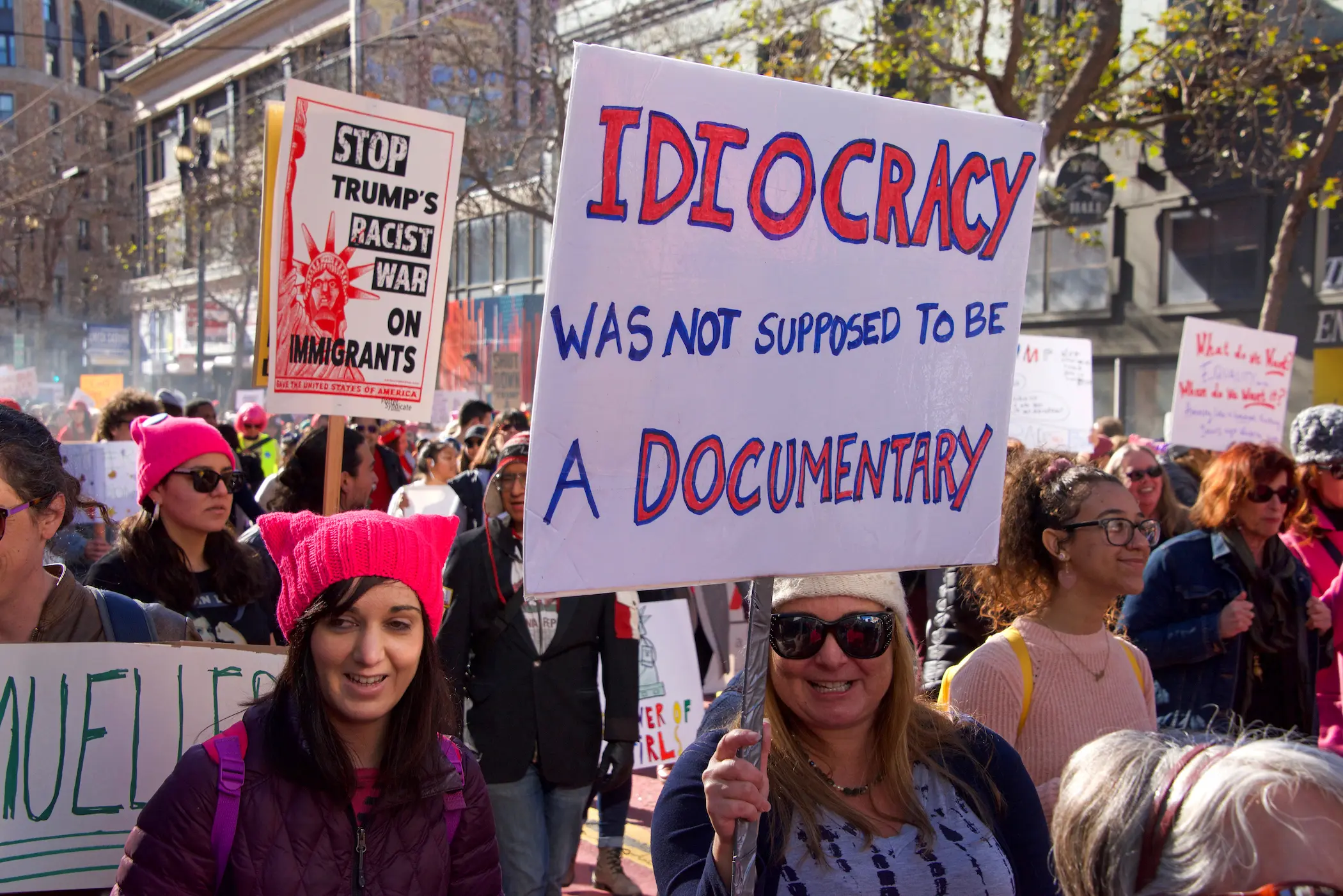
Life Imitates Art: Idiocracy and America at 250 Years
On July 4th, 2026, the United States celebrated its 250th anniversary of independence in true American fashion. With such celebrations taking place, numerous news outlets have been running polls and stories celebrating some of the US’ greatest achievements in its 250-year history, including and not limited to cinema. The New York Times ran a poll with the topic focused on which film best represents the American experience, with some respondents picking American classics such as The Godfather, Citizen Kane, Easy Rider, and American Graffiti as well as social commentary-based films such as Do the Right Thing. Although respondents have selected classic American movies that symbolise the American experience, there is one movie that stood out as the most quintessential movie that captures the American experience, having garnered 3,000 votes from poll respondents: Mike Judge’s 2006 satirical comedy Idiocracy.
Idiocracy was intended to serve as a satirical movie focused on the growing anti-intellectualism in the US during 2006, while also tackling societal and cultural issues such as dysgenics, consumerism, commercialism, and overpopulation. However, 20 years later in 2026, the satire portrayed in the movie seems to have become an absurdist reality. From flamboyant and incompetent governance to the inescapable commercialisation of society to raging anti-intellectualism (and everything in between), it seems that life has begun to imitate the art. Therefore, one can argue Idiocracy does not necessarily serve as a prophecy of the dumbing down of American society, but rather a framework for understanding the transition from competent policy-based governance to prioritising attention-based politics and economy.
Programmes
3 Jul 2026
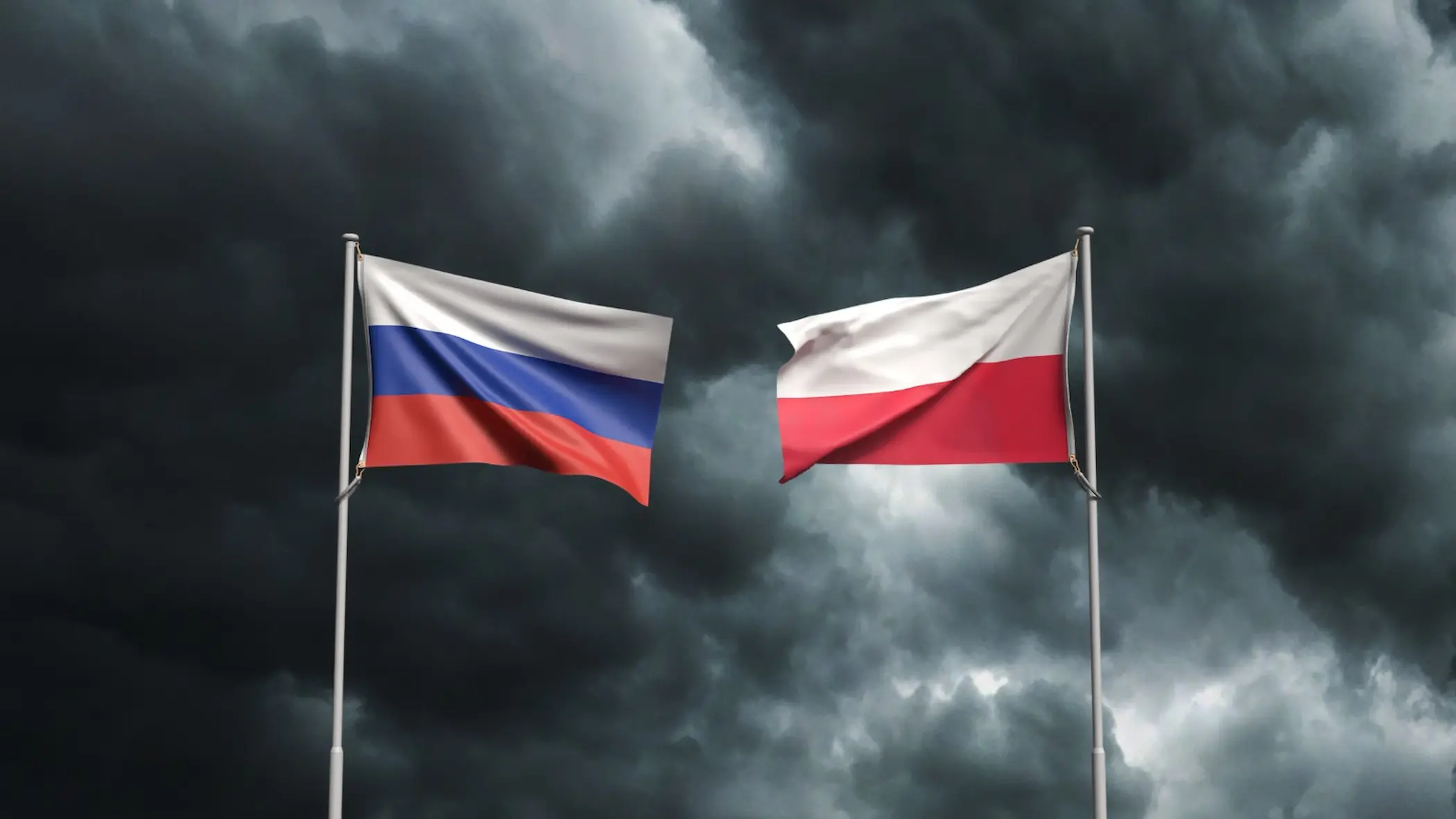
Red Alert: Will Russia Stage an Armed Provocation Against Poland?
On July 3, reports emerged that the United States has warned Warsaw of a possible Russian armed "provocation" against Poland, designed to test NATO's resolve. According to sources close to Polish President Karol Nawrocki, cited by the Polish outlet Onet, Washington has repeatedly signaled that such an operation could be launched within a matter of months. The scenarios under discussion range from missile or drone strikes on Poland's critical infrastructure to a limited crossing of Russian soldiers into NATO territory. This raises a critical question: is Moscow preparing to directly test Article 5 of the North Atlantic Treaty?
A provocation of this kind would differ fundamentally from a conventional invasion. It would be deliberately calibrated to remain below the threshold of open war — ambiguous enough to sow hesitation among allies, yet aggressive enough to force a response. Though limited in scale, its consequences for European security and the global order could be profound.

Programmes
3 Jul 2026
Are Europe’s Capability Gaps Choosing Its Defence Partners?
Germany "needs new partnerships more than ever," declared Chancellor Friedrich Merz as he opened a tour of Saudi Arabia, Qatar, and the UAE, announcing along the way that Berlin would loosen its long-standing restrictions on arms exports to the Gulf. Such words from a German chancellor would have been unthinkable only a few years ago. Yet the scene fits a wider pattern now visible across the continent: Korean tanks arriving at Polish ports, Turkish drones ordered for Baltic skies, Brazilian transport aircraft entering European fleets, and Gulf sovereign wealth courted from London to Berlin. Europe, long accustomed to a single security patron, is visibly assembling a new roster of defence partners, and officials on all sides describe it as a strategy of diversification. The pattern reaches its most symbolic setting this week, as NATO leaders convene in Ankara, the capital of the very partner Europe has never quite decided how to treat. But strategies imply choice, and choice implies a chooser. The pressing question is: is Europe actually selecting its new partners, or is something else doing the choosing?
Publications
30 Jun 2026
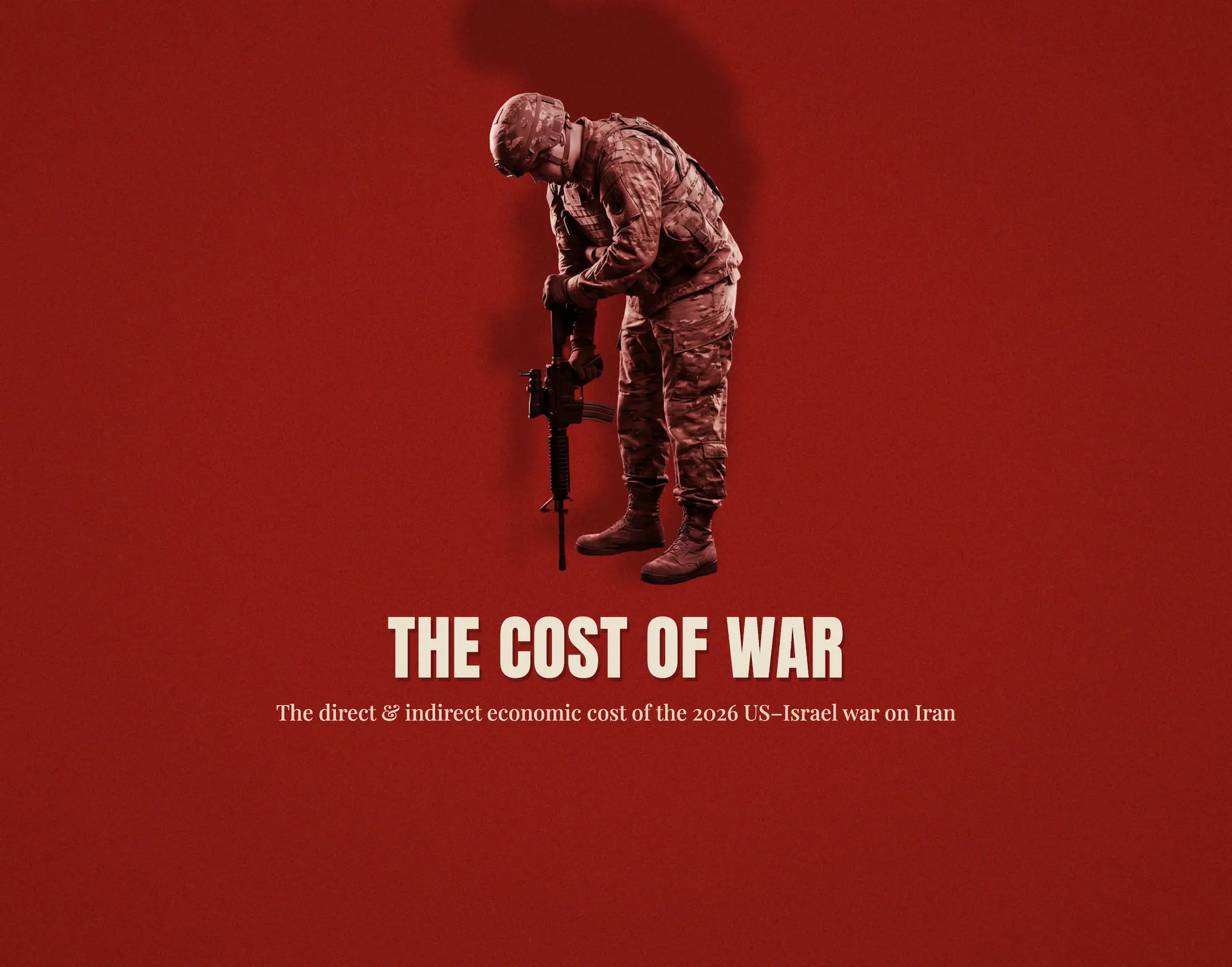
The Direct and Indirect Cost of the 2026 US-Israel War on Iran
The Al Habtoor Research Centre (AHRC) presents a groundbreaking, equation-based assessment analysing the direct and indirect social and economic resource costs of the 110-day conflict that began on February 28, 2026. Utilising an advanced conflict economics framework—including the Stiglitz-Bilmes convention and counterfactual synthetic controls—this research delivers an unprecedented, exclusive analysis of the financial burdens borne by the belligerents and the wider global economy. The headline finding is one of profound asymmetry, proving that recovery capacity, rather than the size of the initial kinetic blow, dictates the medium-term cost of modern warfare. The largest financial burden fell on the global economy, specifically non-belligerent, bystander oil-importing nations, totalling an estimated $1.41 trillion by 2030. Triggered by the 110-day closure of the Strait of Hormuz, this true burden lies in unproduced global output rather than the temporary oil-price spike, which ultimately nets to zero globally. Among the combatants, Iran absorbed an existential, structural blow equivalent to roughly 81% of its pre-war output, costing $305 billion by 2030, or $720 billion on a purchasing-power parity (PPP) basis. Locked out of international capital markets, its output gap fails to close by the end of the decade, triggering a step down to a permanently lower economic path. In contrast, the United States faces a heavily back-loaded bill ranging from $200 billion to $1.1 trillion by 2030. While structurally insulated from the immediate oil shock due to its net energy exporter status, this massive range in projections depends on whether standard cash-budgeting or full multi-decade liabilities—such as veteran care, war-debt interest, and budget ratchets—are present-valued. Meanwhile, Israel sustained a sharp but recoverable macroeconomic shock of $135 billion by 2030, equal to roughly a quarter of a single year's GDP. Advanced air defense mitigated physical destruction, concentrating the cost instead on reserve mobilisation, interception economics, and a transient output gap. Ultimately, this exclusive analysis details how the poorest bystander nations subsidised the conflict's macro cost, marking the 2026 war as one of the most economically disruptive events of the century.

Programmes
25 Jun 2026
Tel Aviv Stock Exchange: Why did it rise during the war and fall with the truce?
The Tel Aviv Stock Exchange (TASE) offers one of the most instructive case studies in contemporary political economy. In under three years, it transformed from a compressed, domestically isolated venue into a high-beta financial instrument that prices Middle Eastern geopolitical risk in real time. The period from October 2023 to June 2026 encompassed the gravest security shock in Israel's modern history; yet its benchmark indices delivered record returns, making it the world's fastest-rising equity market in 2024 and 2025, before pivoting abruptly into a sharp correction by mid-2026. This paradoxical trajectory poses a fundamental question: how does capital — foreign and domestic alike — respond when gun barrels intersect with trading screens, and why did the signals emanating from the sovereign bond market diverge so starkly from those of the equity market at the very same moment? This analysis traces the precise correlation between military and diplomatic events on the one hand, and capital flows and the sovereign risk premium on the other, exposing a new financial logic that now governs the pricing of existential risk.
Accordingly, this analysis sets out to disentangle three interlocking layers: first, the mechanics of the initial shock and the manner in which the state intervened to contain capital flight; second, the paradox of the war economy, in which sovereign downgrades coincided with an unprecedented equity rally; and third, the 2026 reversal that repriced geopolitical risk in the wake of diplomatic realignment — culminating in a forward-looking assessment of the market's probable trajectories through 2028.

Programmes
25 Jun 2026
The FIFA World Cup 2026: How the U.S. Weaponized Borders and Mobility
The FIFA World Cup is usually seen as a global sporting event, where people from all over the world come together to watch engaging matches and bond with those from different backgrounds and cultures. However, the current World Cup, which is predominantly held in the United States, has been the subject of criticisms ranging from time zone differences to more severe controversies such as high-ticket prices, the US-Israeli war on Iran, and the implementation of strict immigration policies. The immigration policies include mobilizing I.C.E. to monitor stadiums for illegal migrants, visa cancellations and deportations of legal immigrants days before the tournament begins. These controls the US has been using since the tournament began have fans criticizing the US, while also leaving them questioning the ability of the US to be adequate hosts for such an international tournament. Therefore, this edition of the World Cup shows how states weaponize mobility and borders to protect their interests and project power. In this case, the US as a host nation is not a neutral stage for FIFA’s “global game" but an active political actor that uses visas, security checks, and border rules to manage who can move, when, and under what conditions.
Programmes
24 Jun 2026
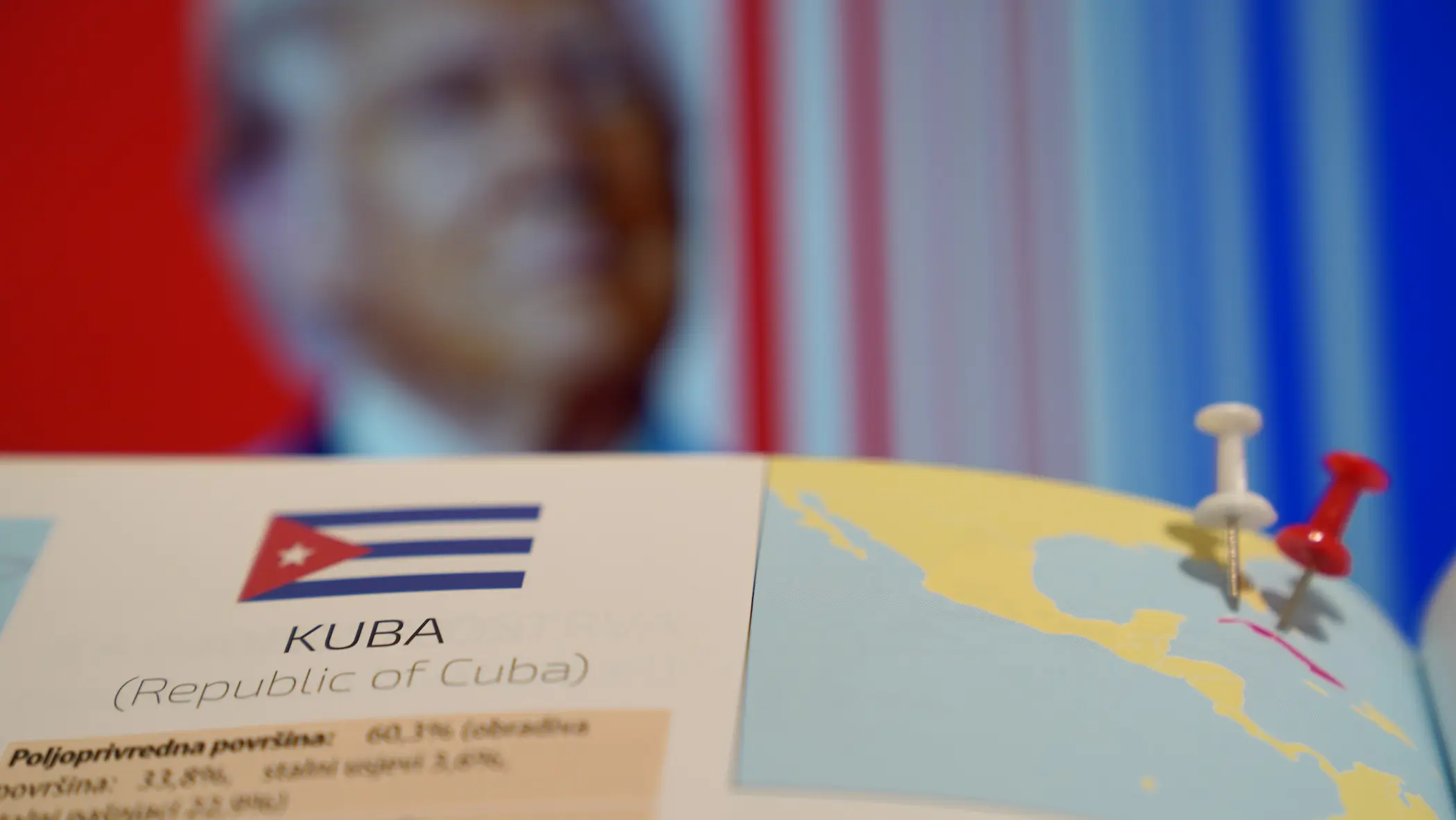
Coercion Over Combat: The Future of Trump’s Strategy Toward Cuba
The administration of U.S. President Donald Trump has demonstrated a clear intent to reassert American influence throughout the Caribbean, viewing the region as a vital component of its broader national security strategy. As a result of this renewed focus, Cuba has re-emerged as a primary flashpoint. With Beijing and Moscow increasingly expanding their economic and strategic footprints in Havana, the island has transformed into a central theatre for great power competition involving the United States, China, and Russia. Viewing this foreign encroachment as a direct threat, Washington has intensified its rhetoric. Crucially, the administration has explicitly characterised Cuba as a “failing state”—a designation that highlights the island's severe internal crises and signals Washington's belief that proactive, decisive intervention is necessary to prevent further destabilisation on America's doorstep.
This expanding U.S. posture in the Western Hemisphere is driven by a deep-seated desire to consolidate regional control and push back against geopolitical rivals. It aligns seamlessly with the historical framework of the Monroe Doctrine, which has long asserted American dominance and rejected outside interference in the Americas. Against the backdrop of these escalating tensions, a critical strategic question arises: Is the United States becoming increasingly likely to pursue direct military intervention to resolve the Cuban issue, or will it maintain a strategy of maximum pressure—relying on coercive measures such as severe economic sanctions, diplomatic isolation, and political coercion—to advance its long-term objectives?
Programmes
15 May 2026
US-China Summit: Not Peace, Rivalry Management
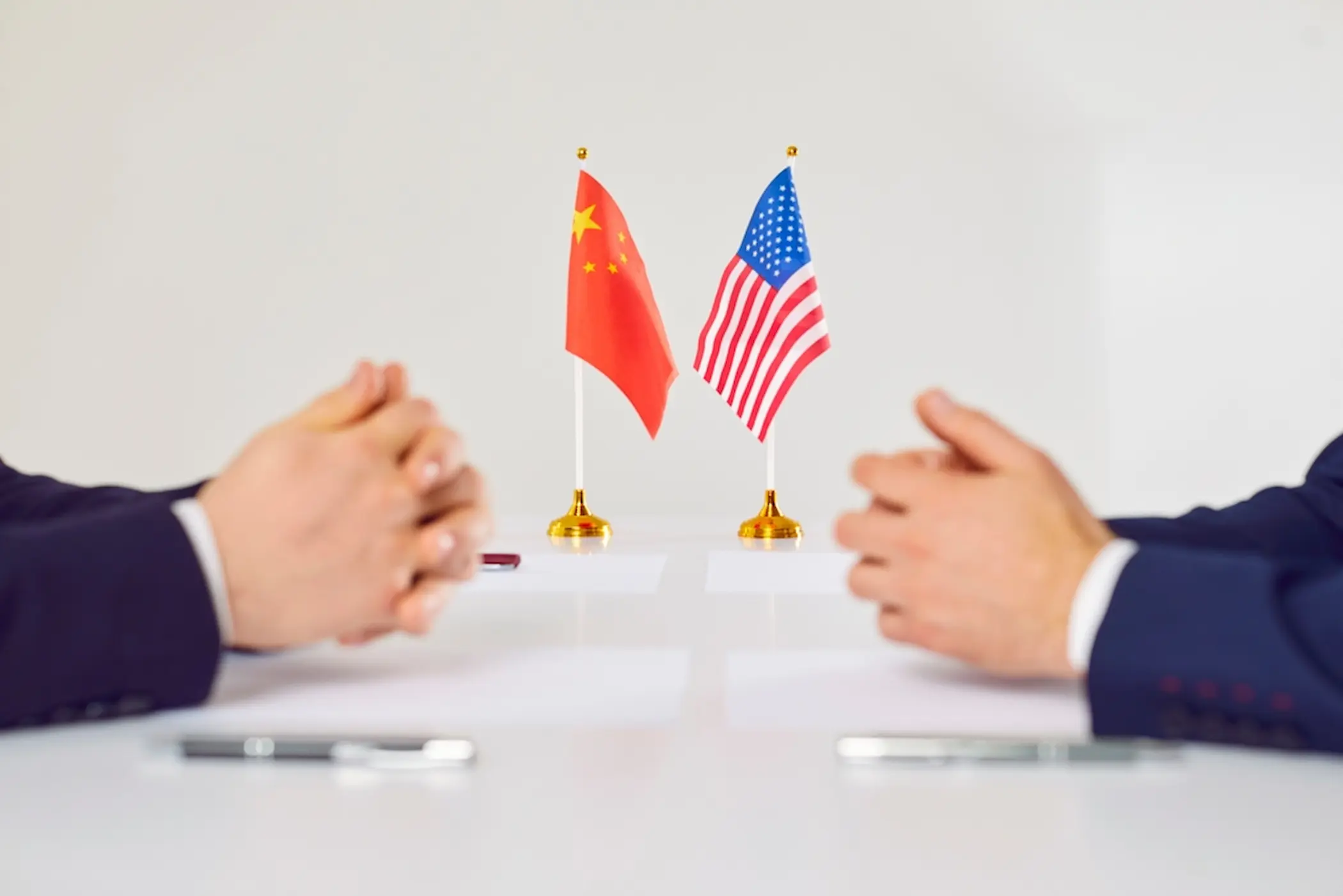
In the early hours of May 13, US President Donald Trump travelled to China to engage in high stakes talks with his Chinese counterpart Chinese President Xi Jinping. These talks are taking place in the context of heightened global instability stemming from conflicts such as the US-Israel-Iran War and the economics shocks stemming from this conflict. Within this context, both governments are set to engage in conversations aimed at stabilizing the US-China relationship and partaking in strategic dialogue regarding geopolitical and economic uncertainty. This summit can potentially shape the future of the US-China relationship as the outcome of these talks can shape the economic and security relationship between the two nations and their partners in the long run. Therefore, an exploration into this summit is needed and will focus on explaining the reason the summit is happening now, the mindset of the parties entering the summit, the topics on the agenda, and the potential outcomes of the summit.
Programmes
11 May 2026
Europe: NATO, U.S. Retrenchment, and the Cost of Strategic Autonomy
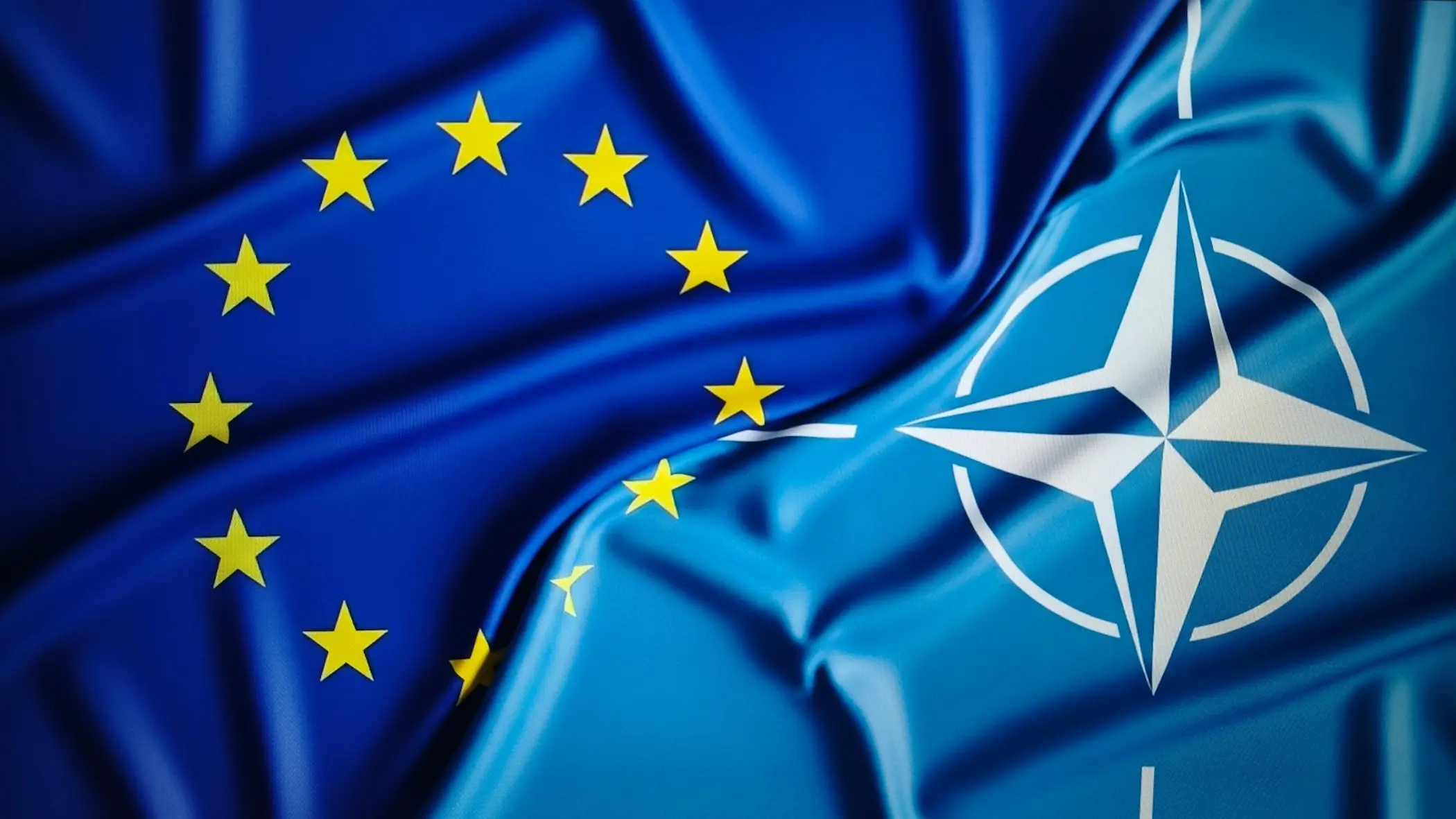
Discussion surrounding a potential United States (U.S.) withdrawal from NATO has remained one of the defining debates since the beginning of Donald Trump’s second presidency. In recent months, particularly following the war involving the U.S. and Israel against Iran, tensions within the alliance have intensified, with President Trump openly criticising several European NATO allies and questioning their value to the alliance. As a result, the central question is no longer limited to whether Washington could formally leave NATO. Increasingly, attention should shift toward a more pressing issue: could Europe manage its security independently without substantial American support? What would be the strategic, military, and economic cost of such a shift, and would European states be capable of rebuilding or reorganising their defence capabilities quickly enough to confront emerging threats?
Importantly, despite the significant legal, political, and institutional constraints facing any U.S. president seeking to withdraw from NATO entirely, Washington could still adopt alternative approaches that stop short of formal withdrawal while substantially reducing its role within the alliance. Such measures could include lowering financial contributions, scaling back troop deployments across Europe, or withdrawing critical weapons systems and strategic capabilities currently provided by the U.S. In such a scenario, how vulnerable would Europe become, and how prepared would it be to fill the resulting gaps?