

Programmes
3 Mar 2026
Between Maduro and Khamenei: Has Artificial Intelligence Replaced Human Intelligence?
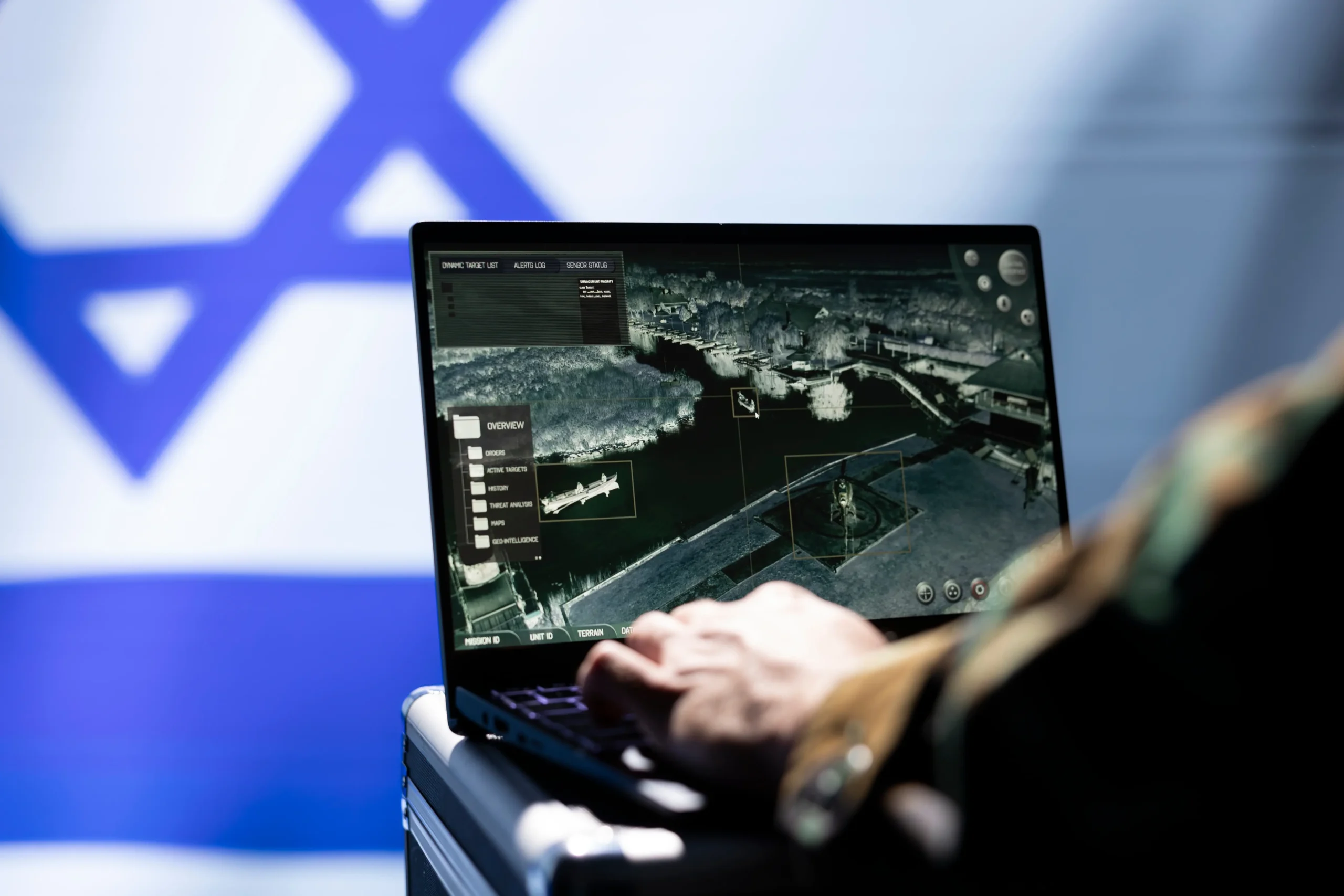
The first quarter of 2026 marked a strategic turning point in the deployment of hard power and the management of geopolitical interaction. For decades, computing technologies remained largely confined to operational support roles, such as processing intelligence data or guiding precision munitions. January and February, however, witnessed a structural shift as military planning moved away from human-dependent decision cycles toward managing autonomous algorithmic kill chains. This transformation was formally articulated in the “Artificial Intelligence Acceleration Strategy” issued by the United States Department of War (DoW) on Jan. 9 2026. The directive aims to entrench American military dominance by rapidly integrating AI across warfighting, intelligence, and enterprise operations, while transforming the defence apparatus into what officials describe as an “AI-first” military structure.
This doctrine rested on strict operational parameters prioritising overwhelming lethality, rapid execution, and objective-driven systems that place mission success above all other considerations, deliberately excluding social and political variables from algorithmic decision cycles to ensure decisive superiority in battlefield decision-making. This shift was reflected in two unprecedented operations: the capture of Venezuelan President Nicolás Maduro during Operation Absolute Resolve in January 2026, and the decapitation strike targeting Iran’s Supreme Leader Ayatollah Ali Khamenei during Operation Silent Holy City, conducted within Operation Epic Fury in February 2026.
These operations reflected the integration of large language models, dynamic data architectures, tactical assessment algorithms, and autonomous unmanned systems, fundamentally transforming the speed, precision, and geopolitical cost calculus of neutralising high-value targets. Together, they signal that AI has moved beyond a supporting analytical role to become a strategic architect of the battlespace and a driver of kinetic execution.
Publications
2 Mar 2026
Deterrence Gap: Will the Eastern Shield Secure Tehran’s Airspace in the Next Confrontation?
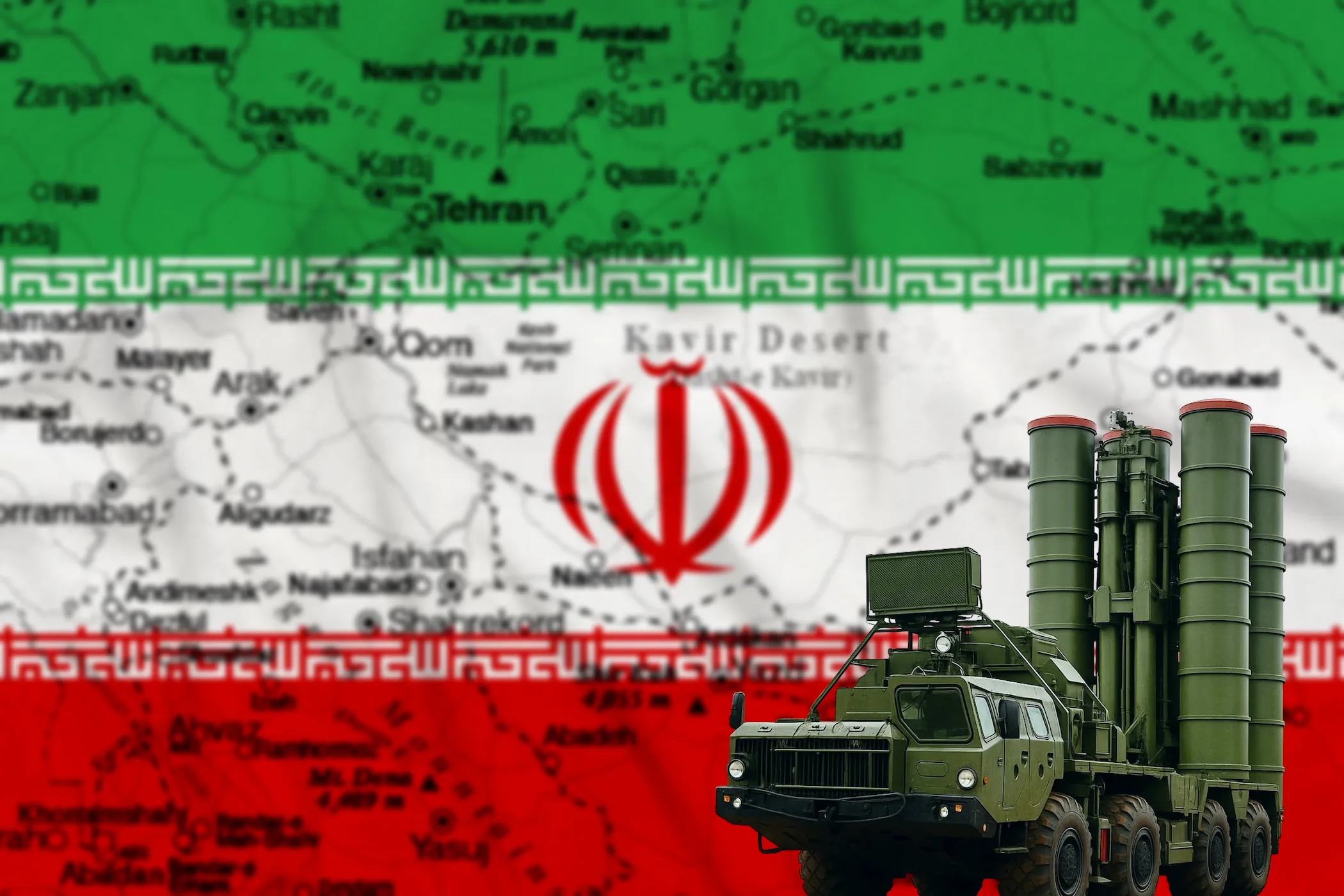
The military operations that unfolded over twelve days in June 2025 between Iran and Israel marked a sharp breakpoint in the trajectory of regional military balance. The confrontation resulted in a substantial erosion of Tehran’s military infrastructure and inflicted significant material losses. The depth of this operational failure was most evident in the near-total collapse of Iran’s integrated air-defence system, with confirmed intelligence assessments indicating that Israel succeeded in neutralising more than 80 surface-to-air missile batteries and destroying over 120 launch platforms. This effectively stripped Iranian airspace of its protective shield and imposed a state of absolute Israeli air superiority.
Amid this collapse, Tehran effectively lost its entire arsenal of the Russian-made S-300PMU2 (“S-300 PMU-2”) systems, which it had acquired in 2016 after protracted negotiations and at considerable financial cost. These systems were systematically destroyed between 2024 and 2025. Iran’s domestic air-defence industries, represented by the Bavar-373 and Khordad-15 systems, also demonstrated clear operational inadequacy when tested in a real combat environment.
This exposed a wide technological gap between Israel’s offensive capabilities and Iran’s defensive assets. The Iranian air-defence network failed to record the downing of a single manned Israeli fighter jet, and Iran’s ageing air force, reliant on pre-revolution legacy aircraft such as the F-14 Tomcat, the Phantom, and the Tiger, supplemented by 1990s-era MiG-29s, stood incapable of competing or deterring effectively.
This total inability to contest the battlespace not only underscored tactical failure but delivered a decisive blow to the strategic assumptions underpinning Iran’s defence doctrine for decades, particularly its reliance on “asymmetric missile deterrence” and hybrid layered-defence networks.
Confronted with a reality in which its missile capabilities were neutralised and its aerial shield dismantled, the Iranian leadership was compelled to adopt a “post-war reset” strategy, launching an urgent acquisition campaign aimed at closing the technological gap by turning eastward towards Russia and China to rebuild its lost deterrence.
The fundamental question that will shape the next phase in the Middle East remains: Can this “hybrid deterrence”, comprising domestic missiles alongside imported, only partially integrated weapon systems, endure against an adversary that has already demonstrated both the willingness and the capability to deliver devastating strikes deep inside Iran?
Programmes
10 Feb 2026
How the West Bank is the International Order’s Ultimate Test
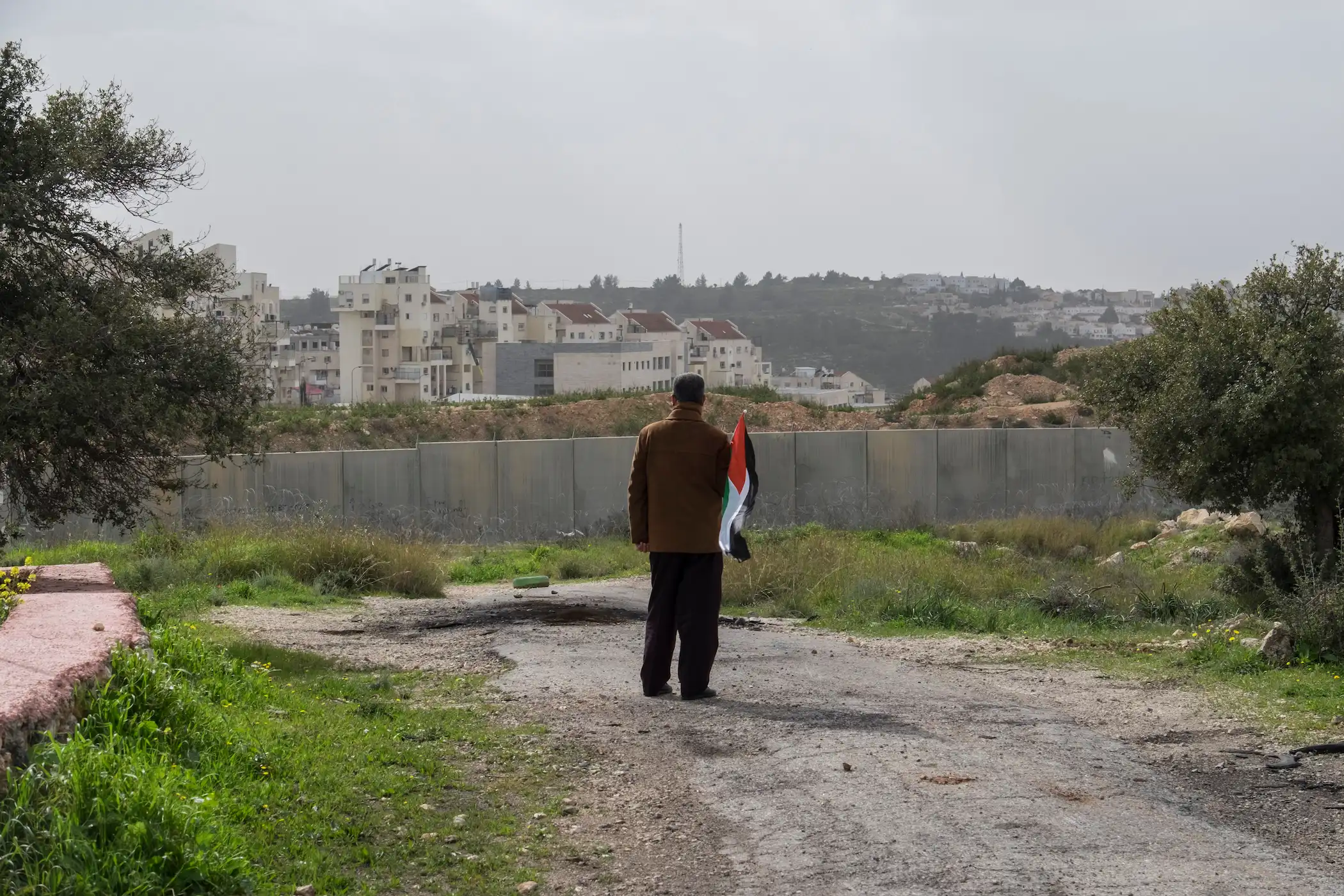
The question of the West Bank has transcended its status as a mere component of the Palestinian–Israeli conflict to become a substantive test of the coherence of international law and the deterrence foundations upon which the post–Second World War international order was built.
On 9 February 2026, the Israeli Security Cabinet endorsed a package of extraordinary measures designed to consolidate Israeli control over the West Bank. The measures included rescinding the longstanding prohibition on the sale of land to Jews through the repeal of the Jordanian statute that barred the transfer of Palestinian property to Jewish purchasers; lifting the confidentiality of land registry records; transferring planning and construction powers in parts of Hebron from the Palestinian municipality to the Israeli Civil Administration; and broadening oversight and demolition authorities to extend into Areas A and B, which fall under Palestinian Authority jurisdiction in accordance with the Oslo Accords.
These decisions are likely to generate profound structural transformations in property registration and transfer regimes by permitting the public disclosure of landowners’ identities. Such disclosure opens the way for direct negotiations between Israeli purchasers and Palestinian proprietors, thereby facilitating a faster pace of acquisition and further entrenching settlement expansion throughout the West Bank.
In this context, the Israeli Settlement Council (Yesha) characterised the measures as “the most consequential in fifty-eight years,” portraying them as an effective governmental declaration of the restoration of the Land of Israel to its people. These moves do not represent an isolated incident; rather, they constitute one stage in an intensifying trajectory that, over the past two years, has fundamentally reshaped the conflict's underlying parameters, generating a transformed reality that necessitates analytical frameworks beyond traditional paradigms.

Programmes
28 Dec 2025
The Politicisation of Mossad: The Future of Israel’s Intelligence
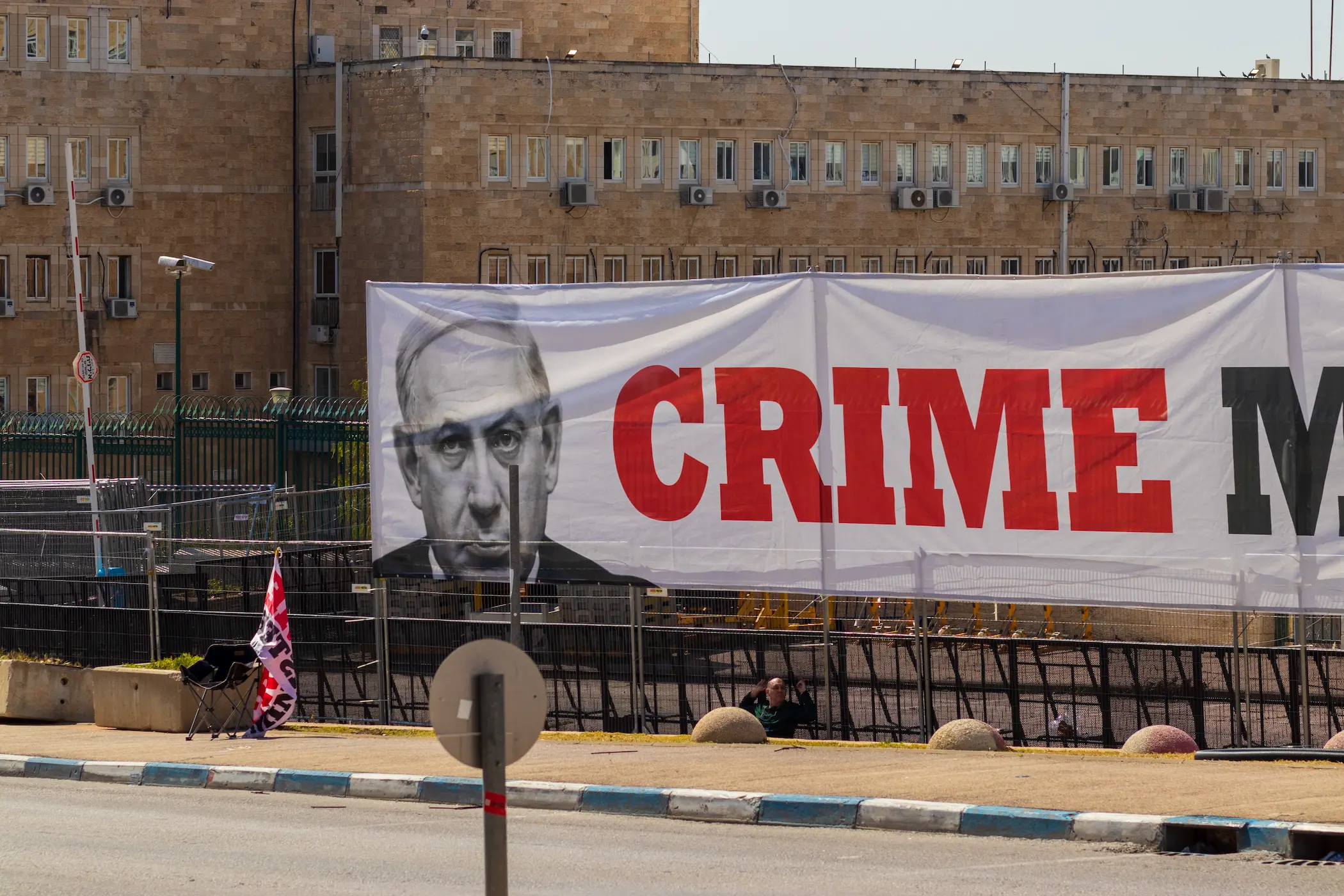
On Dec. 4 2025, Netanyahu decided to appoint his Military Secretary, Major General Roman Gofman, as the Director of the Mossad. Gofman will replace the current Mossad head, David Barnea, whose five-year term ends in June 2026. This decision signals a key leadership change in the country’s most important intelligence agency, particularly given Gofman’s lack of intelligence experience and aggressive decision-making approach. Moreover, this movement indicates Netanyahu’s broader pattern of politicising the appointments of high-ranking officials in security agencies, where loyalty to him appears to be a decisive factor. Accordingly, the politicisation of Mossad raises serious questions about the future of Israel's intelligence.
Publications
11 Dec 2025
Narrowing Pathways: What Choices Remain as Tehran Enters ‘Water Bankruptcy’?
The escalating water crisis in the Iranian capital, Tehran, portends profound strategic repercussions that strike at the heart of national security and internal stability. Field indicators and updated international data up to 2025 point to the city reaching a stage of “absolute water stress.” This reality is manifested in the sharp and unprecedented decline in surface and groundwater reserves, as an inevitable result of the combination of long-term drought waves with decades of structural mismanagement and excessive depletion of resources, which has led to a decrease in the levels of strategic reservoirs to critical levels that directly threaten the continuity of drinking water supplies for millions of residents. The official warnings, hinting at the possibility of the capital drying up within weeks unless emergency measures are taken, are acquiring serious demographic and social dimensions. The danger transcends mere water scarcity, raising grave concerns about widespread social unrest, the need to adopt drastic policies such as forced displacement, or even the serious discussion of relocating the capital. Therefore, a comprehensive reform of water resource management policies, the strengthening of dilapidated infrastructure, and the adoption of sustainable solutions are imperative to contain the crisis and avert the looming scenarios of economic and security collapse.
Publications
18 Nov 2025
The Lord of War: Netanyahu’s Profits Behind Gaza War
This investigative study adopts a rigorous, systematic analytical methodology to examine the true dimensions of Israeli Prime Minister Benjamin Netanyahu’s wealth, illuminating substantial structural discrepancies between his officially declared income and his accumulated assets. Utilizing evidence-based financial investigation, the research identifies sustained and deliberate efforts to obscure financial transparency, primarily through sophisticated mechanisms such as offshore banking, the purchase of assets via shell or limited liability companies, and the use of aliases. Furthermore, the study deconstructs the institutional networks and patterns of quid pro quo influence that facilitate the continuous recirculation of privileges, economic benefits, and power among elite government officials and leading actors in the Israeli defense industry.
The study underscores the instrumental role of political crises, particularly The War on Gaza, as strategic junctures that enable the executive to maximize discretionary authority and circumvent traditional oversight mechanisms. Empirical findings indicate that Netanyahu directly benefited financially from the war by leveraging his expanded emergency powers to authorize high-value defense contracts outside standard competitive bidding processes. This approach resulted in an unprecedented windfall for defense sector entities closely associated with his inner circle. The war context also facilitated the diversion of public resources to support the interests of this network, ultimately institutionalizing mechanisms for influence-sharing among policymakers and leaders in the military-industrial complex. Consequently, the aggregate value of contracts executed during states of emergency surged dramatically, exemplifying the organic convergence of political and economic power within Netanyahu’s administration. The systematic exploitation of crises thus emerges as a central feature in the amplification of personal wealth and the consolidation of elite privileges within a closed governance structure.
Programmes
16 Oct 2025
Algorithms of Genocide: From Silicon Valley to the Gaza Strip
The tools of twenty-first-century warfare are no longer confined to conventional weapons such as missiles, tanks, and aircraft. They have expanded to encompass cloud-computing platforms, artificial-intelligence systems, and data-processing capabilities developed and managed by major U.S.-based technology corporations, including Microsoft, Google, and Amazon. These companies have become central pillars in the conduct of modern digital warfare, with their decisions and policies exerting profound geopolitical influence and forming an integral component of contemporary global power dynamics.
In this context, the relationship between commercial technology corporations and the Israeli military has undergone a profound transformation, moving beyond the traditional model of supplying hardware and software to establish digital infrastructure as a central instrument in the management of modern conflict, most notably during the war on Gaza. A new paradigm of integration between the military and the private sector has emerged, in which commercial digital systems have become an inseparable component of military capability, blurring the boundaries between market-driven services and state security architectures.
The management of the global narrative surrounding humanitarian catastrophes, including the confirmed famine and persistent reports of atrocities, has become inseparable from the content-governance policies imposed by major digital platforms controlled by technology conglomerates. These platforms frequently amplify official narratives while minimising or obscuring the magnitude of famine and conflict. At the same time, they enable advanced surveillance mechanisms that restrict or silence independent media operating within conflict zones.
The war in Gaza has underscored the dual and increasingly intricate role of major technology corporations, particularly Google (Alphabet Inc.) and Microsoft Corporation, in both modern warfare and global information control. These entities operate within a mutually reinforcing dynamic, providing specialised cloud-computing and artificial-intelligence infrastructure that enables unprecedented levels of lethal military operations and mass surveillance across Gaza and the occupied territories. Concurrently, they deploy advanced mechanisms of information control, encompassing internal content moderation, algorithmic bias, and data suppression, to recalibrate public narratives and shield corporate power from accountability.
This analysis, therefore, examines the role of technology corporations in shaping the dynamics and repercussions of the conflict in Gaza, exploring how they contribute to the engineering of the informational, political, and humanitarian landscape within the framework of contemporary warfare. In this process, these corporations are transformed from ostensibly neutral service providers into active participants within the conflict’s infrastructural ecosystem.
Programmes
14 Oct 2025
What Would Iran’s Withdrawal from the Nuclear Non-Proliferation Treaty Mean?
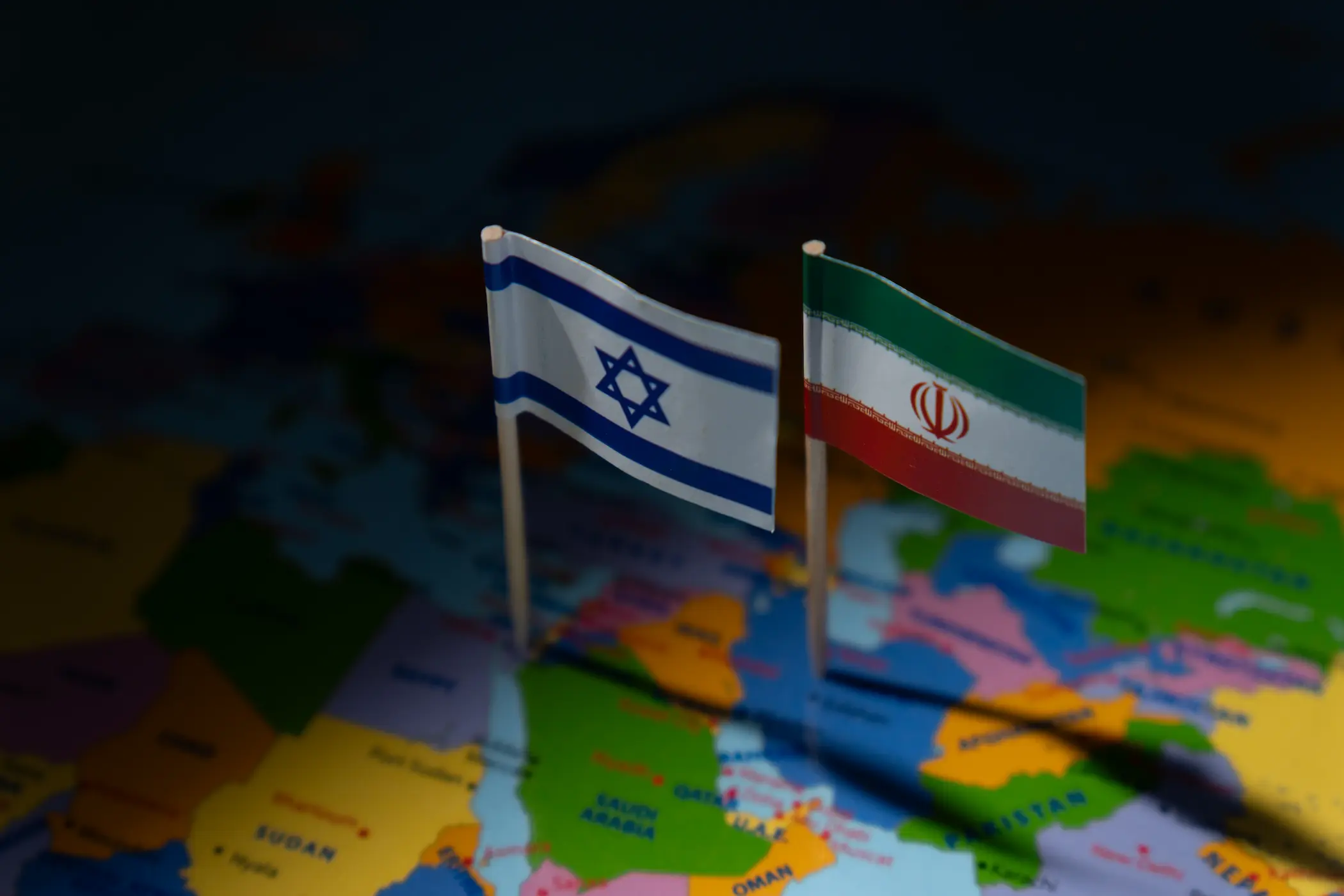
Iran’s nuclear file is witnessing a rapidly escalating trajectory, underscored by its potential decision to withdraw from the Nuclear Non-Proliferation Treaty (NPT). This move could redefine the very architecture of global nuclear governance. Should this course of action materialise, it would mark the first precedent of its kind since North Korea’s withdrawal from the same treaty in 2003, transforming what might initially appear as a mere negotiating stance into a profound strategic turning point with far-reaching implications for the policies of the Middle East and the wider international order.
These Iranian threats, which began escalating in June 2025, did not emerge in a vacuum; instead, they were a direct reaction to a series of successive strategic developments. The U.S.–Israeli military strikes targeting Iranian nuclear facilities in June 2025 significantly deepened the complexity of the situation, while the crisis further intensified when the European troika (E3) announced in September 2025 the activation of the “snapback mechanism,” thereby reimposing UN sanctions on Tehran. Taken together, these measures led Iran to conclude that the economic and political value of adhering to international treaties had effectively evaporated.
The gravity of the situation extends beyond political dimensions to encompass highly sensitive technical and legal aspects. Technically, Iran possesses between 400 and 450 kilograms of uranium enriched to roughly 60%; a stockpile that places it only weeks away from producing weapons-usable fissile material if enrichment were elevated to about 90%. Legally, Iran’s invocation of Article X of the NPT would trigger an immediate cessation of the International Atomic Energy Agency’s (IAEA) oversight and remove the Comprehensive Safeguards Agreement from the equation, paving the way for near-total diplomatic isolation. Consequently, the fallout from withdrawal would transcend the confines of Tehran’s nuclear programme and create a broad regional security dilemma.
Publications
18 Sep 2025
The War of June 2025: A Clash of Civilisations or a Catalyst for a New Middle East?
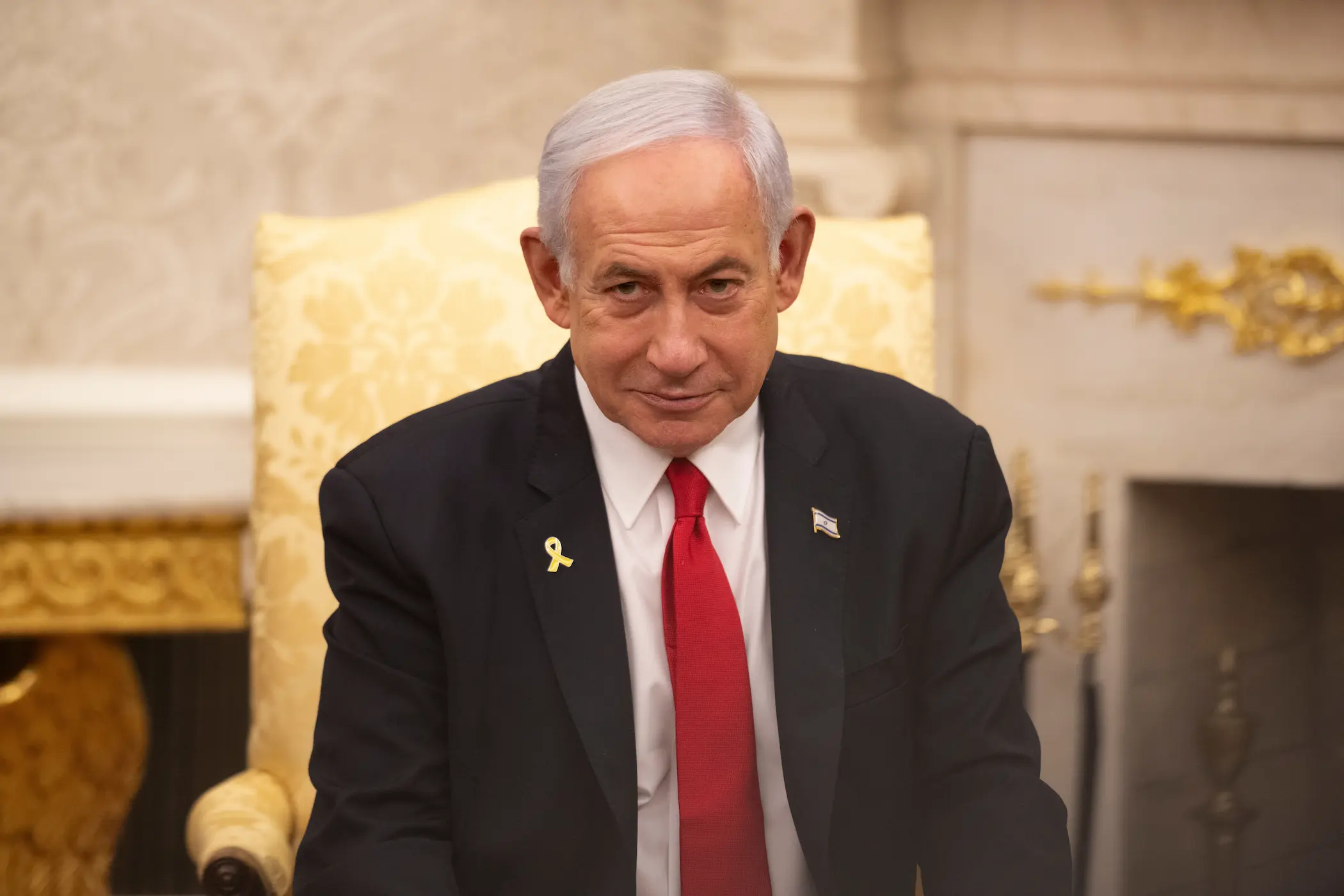
As many regional and global powers rush to reshape the Middle East to serve their strategic interests, the past two years have been marked by a cascade of transformative and often tumultuous events. These include the Israeli army’s large-scale invasion of the Gaza Strip following October 7, efforts to diminish Hezbollah’s influence in Lebanon, the fall of the Assad regime in Syria, intensifying Israeli military operations against Iran, and most recently, a wave of Western countries intending to formally recognise a Palestinian state alongside Israel’s announcement of plans for the annexation of the West Bank and a comprehensive occupation of the Gaza Strip.
Together, these rapid developments not only underscore deepening conflict and instability but also actively fuel the emerging discourse about the "New Middle East", a strategic framework envisioned by key actors outside of the region that seeks to redefine the geopolitical, security, economic, and diplomatic order of the region. The intertwining of hard power manoeuvres, shifting alliances, and economic realignments signals a significant recalibration rather than a mere continuation of the status quo.
In 2025, the potential rise in Western recognition of Palestinian statehood reflects growing international dissatisfaction with existing diplomatic frameworks and a push to rethink longstanding regional issues, directly challenging Israel’s traditional security and diplomatic calculus. Concurrently, Israel’s authorised military plan to take full control of Gaza exemplifies a decisive shift toward hardening its territorial and security posture, marking an unprecedented phase in Israeli-Palestinian relations and regional politics.
The confluence of these developments amplifies the narratives and policies underpinning the New Middle East: a vision premised on assertive state-centric realignments, expanded normalisation efforts, a recalibrated balance of power, and an economy-driven model of regional transactions. This evolving order encompasses ambitions to diminish Iranian influence, redefine Palestinian sovereignty on new terms, and facilitate deeper economic and security integration among select regional actors.
Ultimately, these events serve both as catalysts and manifestations of the "New Middle East" discourse. They reflect a region in flux where entrenched conflicts and new diplomatic initiatives are simultaneously eroding old paradigms and opening pathways for a fundamentally restructured Middle Eastern landscape.
This paper critically explores how the recent rapid developments in the Middle East contribute to shaping competing visions of the region’s future. It assesses whether the ongoing transformations reflect a deeper realignment driven by strategic state interests, expanding economic interdependence, and a recalibrated regional order that transcends historical cycles of conflict. Specifically, the analysis considers if these changes primarily illustrate Samuel Huntington’s "Clash of Civilisations" thesis—attributing post-Cold War regional conflicts to cultural and religious identity divisions—or if they instead represent a deliberate and calculated strategic effort to "reshape the Middle East" through redefined state priorities, shifting power dynamics, and newly forged regional and international alliances.
Programmes
18 Sep 2025
An Isolated Israel
Israeli Prime Minister Benjamin Netanyahu recently acknowledged that Israel is entering a phase of economic and political isolation internationally, largely due to its ongoing military actions in Gaza. He warned that this isolation may last for years and insisted that Israel must adapt by becoming more self-sufficient, especially in its weapons manufacturing capabilities. Netanyahu described this shift as moving toward an economy with "autarkic characteristics," a term he said he despises since he has long supported free-market policies. Nonetheless, given potential export bans and economic sanctions, he emphasized Israel's need to be both "Athens and super-Sparta," implying a combination of intellectual and military self-reliance to withstand these challenges.
His comments are a rare admission that Israel faces significant global backlash and diplomatic estrangement due to the nearly two-year war in Gaza. Several Western countries, such as Spain, have cancelled arms deals with Israel over the war, with a U.N. Independent International Commission finding that Israel is committing genocide, and a slew of other countries have officially recognized a Palestinian State.
Netanyahu's remarks mark a rare acknowledgment of the changing international environment around Israel. This mounting isolation not only underscores Israel’s diplomatic challenges but also highlights the growing vulnerabilities within its economy, as sanctions, boycotts, and the loss of arms contracts emerge as direct consequences of its genocide in Gaza.

Publications
17 Sep 2025
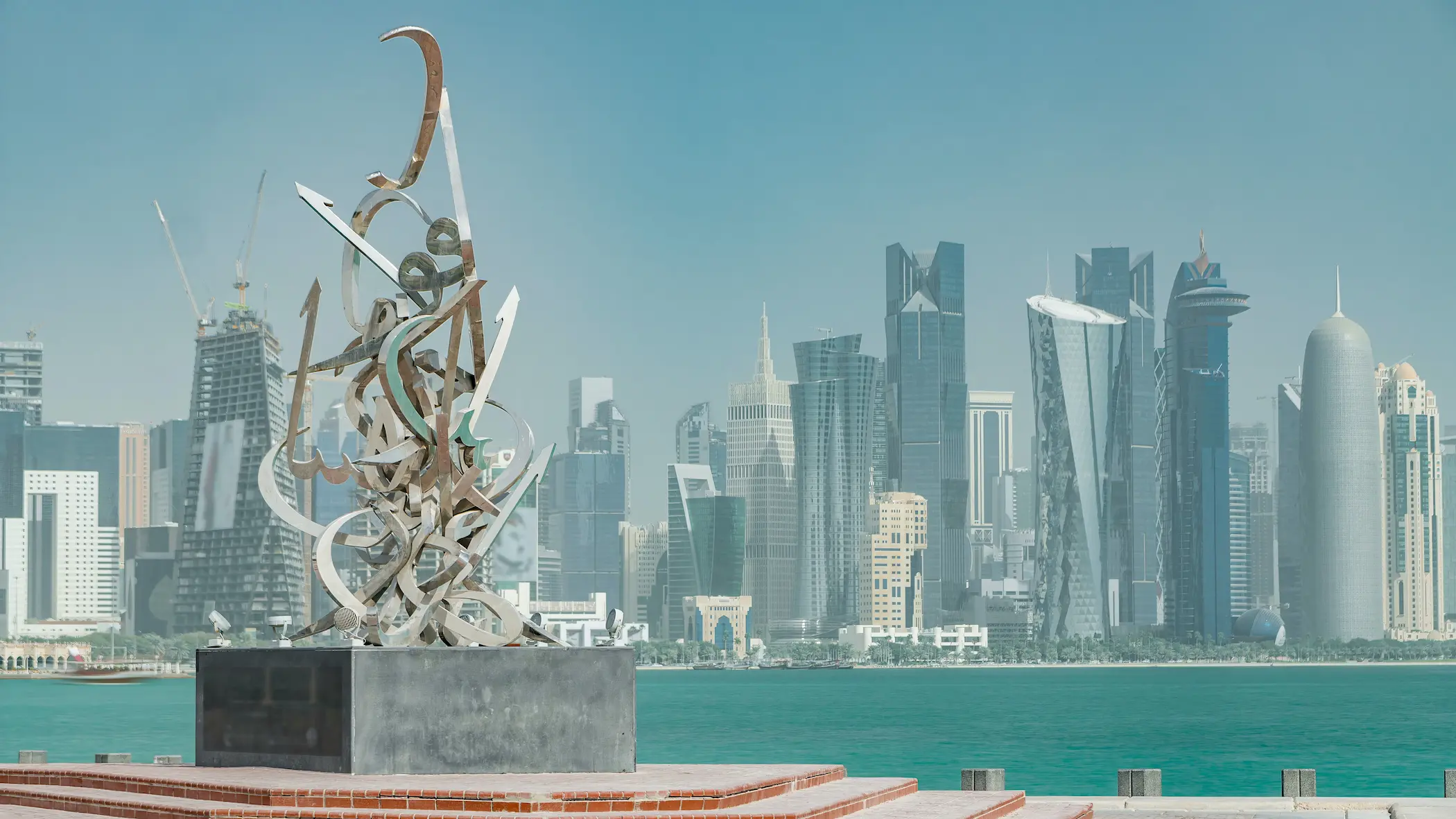
Arab Airspace Blockade After Doha Attack
This paper provides a comprehensive assessment of the potential economic, political, and security outcomes should the Arab and Islamic worlds enact a coordinated airspace blockade against Israel. The specified catalyst for this action is the Israeli airstrike on Hamas leadership in Doha, Qatar, on September 9, 2025, an event that has already precipitated a significant realignment of regional diplomatic postures.
The central thesis of this analysis is that a coordinated airspace blockade would represent a strategic shock to Israel, not merely a logistical inconvenience. It would function as a form of asymmetric economic warfare, inflicting severe, multi-sector damage on Israel's globally integrated economy by targeting its core vulnerabilities in aviation, high-value trade, and tourism. The direct economic impact is estimated to be a contraction of 4.8% to 5.7% of Israel's Gross Domestic Product (GDP), a shock sufficient to trigger a deep recession.
Politically, the blockade would fundamentally re-order the regional geopolitical landscape, shattering the post-2020 status quo established by the Abraham Accords and rendering further normalization efforts untenable. It would accelerate a strategic pivot by Gulf Arab states away from a singular reliance on the United States as a security guarantor, fostering a new, region-driven security architecture. For the United States, such a development would present an acute diplomatic crisis, forcing a choice between its ironclad alliance with Israel and its vital strategic partnerships with Arab nations, thereby undermining a cornerstone of its Middle East policy.
From a security perspective, the blockade would act as a "gray zone" challenge, a highly coercive act that exists in the ambiguous space between peace and declared war. It would degrade the operational reach of the Israeli Air Force (IAF) and place the onus of military escalation squarely on Israel. A decision by Israel to forcibly challenge the blockade would create a high-probability pathway to a wider regional military conflict, potentially drawing in the Gulf states, Iran and its proxies, and the United States. The airspace blockade, therefore, represents a plausible and potent instrument of collective action that could irrevocably alter the strategic balance in the Middle East.
Programmes
16 Sep 2025
The Arab-Islamic Emergency Summit: A Watershed Moment in Regional Dynamics
The 2025 Arab–Islamic extraordinary summit, held in Doha, Qatar, on September 14–15, marked a pivotal moment in Middle Eastern diplomacy. Convened in direct response to an unprecedented Israeli airstrike on the Qatari capital, the meeting served as a forum for Arab and Islamic nations to formalise a collective security and diplomatic response. The paper finds that this Israeli action, intended to undermine ongoing negotiations, inadvertently solidified a unified front among regional powers. The incident also exposed a profound erosion of trust in the United States as a reliable security partner, compelling Gulf states to actively consider alternative defence and diplomatic alignments. The summit's outcomes signal a new phase of regional foreign policy, moving beyond rhetorical condemnation to a framework for coordinated legal and economic measures, with significant implications for Israel, the United States, and the prospects for a lasting ceasefire in Gaza.
The final communiqué went far beyond rhetoric, demanding concrete punitive and legal measures against Israel. These included a call for sanctions, a review of diplomatic relations, and the use of international legal bodies to hold Israel accountable. The activation of the Gulf Cooperation Council’s (GCC) Joint Defence Council signalled a tangible move toward a new, collective regional security paradigm. The summit’s outcomes collectively demonstrate a strategic pivot away from American-led diplomacy and security frameworks toward a more independent and potentially confrontational regional posture, signalling a new, more volatile era in Middle East geopolitics.