

Publications
12 Jun 2025
Clandestine Axis of Middle East Hegemony: Iran, Israel, and the US
In George Orwell's classic 1984, his world was held together by unending war: In the book, messages of hate and reasons to fear were broadcast each day to encourage fearful, slavish masses to rail against an imaginary enemy rather than their actual masters.
US and British geo-strategists have historically been masters of manipulation, redrawing the map of the world to suit Western economic, geopolitical, and military interests, particularly in the MENA region. Their detractors are convinced that their broad goal is Western domination of the area via surrogates and partners such as Israel and Iran (via the back door) to retain control over natural resources and waterways while ensuring those resources do not fall into the hands of competitors such as China and Russia. A school of thought contends that they manufacture sectarian conflicts on the principle of “divide and rule,” creating tensions that justify the installation of military bases and fuel the military-industrial complex through arms sales.
A 2008 paper titled America’s Divide and Rule Strategies in the Middle East by Mahdi Darius Nazemroaya highlights US efforts to create divisions within Middle Eastern and Central Asian populations through ethno-cultural, religious, sectarian, national, and political differences. According to this perspective, sectarian divides—particularly between Sunni and Shia Muslims—have been deliberately cultivated to weaken regional unity and facilitate geopolitical control.
The Iraq War (2003) and its aftermath further exacerbated these sectarian tensions. The dismantling of Saddam Hussein's Sunni-dominated Ba'athist regime and the empowerment of Shia and Kurdish groups created a power vacuum, fueling sectarian violence. Groups like Al-Qaeda in Iraq (later ISIS) thrived under these conditions, exploiting sectarian grievances. The redrawing of Iraq’s internal boundaries, particularly the establishment of the Kurdistan Regional Government, further solidified ethnic divisions. Toby Dodge, in Inventing Iraq: The Failure of Nation Building and a Road to Peace, argues that the US approach to state-building in Iraq inadvertently deepened these fault lines.
Similarly, US involvement in the Syrian Civil War (2011–2024), through support for various opposition groups, contributed to the country’s fragmentation along ethnic and sectarian lines. The conflict saw the rise of numerous factions, many of which received US backing. The emergence and territorial control of Kurdish-dominated forces in northeastern Syria, supported by the US in the fight against ISIS, created tensions with Arab populations and neighboring Turkey. The conflict has been widely analyzed as having a significant sectarian dimension, with regional powers backing different factions along Sunni-Shia lines.
Middle East expert and author Fred Reed states: “One might be forgiven for surmising that the current thrust of US policy in the Middle East and through the Muslim world is to exacerbate Sunni-Shiite divisions.”
US foreign policy in the region has often been perceived as favoring certain regional powers over others, sometimes along sectarian lines, exacerbating existing tensions. The complex relationship between the US and Saudi Arabia (a Sunni-majority state) and its rivalry with Iran (a Shia-majority state) has frequently been interpreted through this lens, even if US interests are primarily geopolitical. Support for different factions in conflicts like the Yemeni Civil War has similarly been framed within the context of regional sectarian rivalries.
Certain think tanks and policy circles in the US have promoted ideas that emphasize sectarian and ethnic divisions in the Middle East as a way to understand and potentially manage the region. Foreign Policy in Focus columnist Conn Hallinan argues that a major US concern in the Middle East is oil. With two-thirds of US oil expected to be imported by 2020, and 65% of the world's remaining oil reserves located in the Middle East, he suggests that a strategy of “divide and conquer” is aimed at keeping strategic control of these resources. Hallinan also highlights the lucrative nature of ongoing Middle Eastern tensions for the US arms industry, citing that countries like the UAE, Saudi Arabia, Kuwait, and Oman have spent over $150 billion on arms purchases.
While the significance of oil in US foreign policy has arguably shifted due to increased domestic production and diversification of energy sources, the Middle East remains strategically important for global energy security. A 2024 report from the Council for a Secure America notes that US oil imports from the Middle East have reached a record low, falling below 11% of total imports. However, this shift does not negate the region’s role in global energy markets.
The US continues to maintain strong relationships with key Gulf oil-producing states like Saudi Arabia and the UAE. While policy priorities have expanded beyond securing oil supplies to include counterterrorism, regional stability, and containing rival powers, access to stable energy markets remains a key consideration. Events like the war in Ukraine have further underscored the interconnectedness of global energy markets and the importance of stable Middle Eastern oil production in preventing global price shocks. In fiscal year 2024, US military sales surged, with direct commercial sales rising to $200.8 billion from $157.5 billion in 2023. Government-facilitated arms sales also increased to $117.9 billion. The Middle East remains a significant market for US arms exports, with over $5.5 billion in approved arms sales to Egypt and Morocco alone in December 2024.
The underlying argument of this paper is that beyond the apparent hostilities and rivalries in the region, there exists a covert strategic alliance between Iran, Israel, and the United States. This cooperation manifests in various ways, including indirect coordination in conflict zones, intelligence-sharing, and economic transactions that defy public rhetoric. Despite Iran’s portrayal as a staunch adversary of both the US and Israel, instances of tacit collaboration—such as Iranian oil exports finding their way to markets through indirect channels, US tolerance of Iranian-backed militias in specific contexts, and shared interests in counterbalancing regional actors like Turkey and the Gulf states—suggest a more complex dynamic. This hidden alliance reflects a pragmatic approach to maintaining regional equilibrium, securing strategic interests, and preventing the emergence of truly independent powers that could challenge the existing order.
Programmes
3 Jun 2025
Why the Houthis Insist on Attacking Israel?
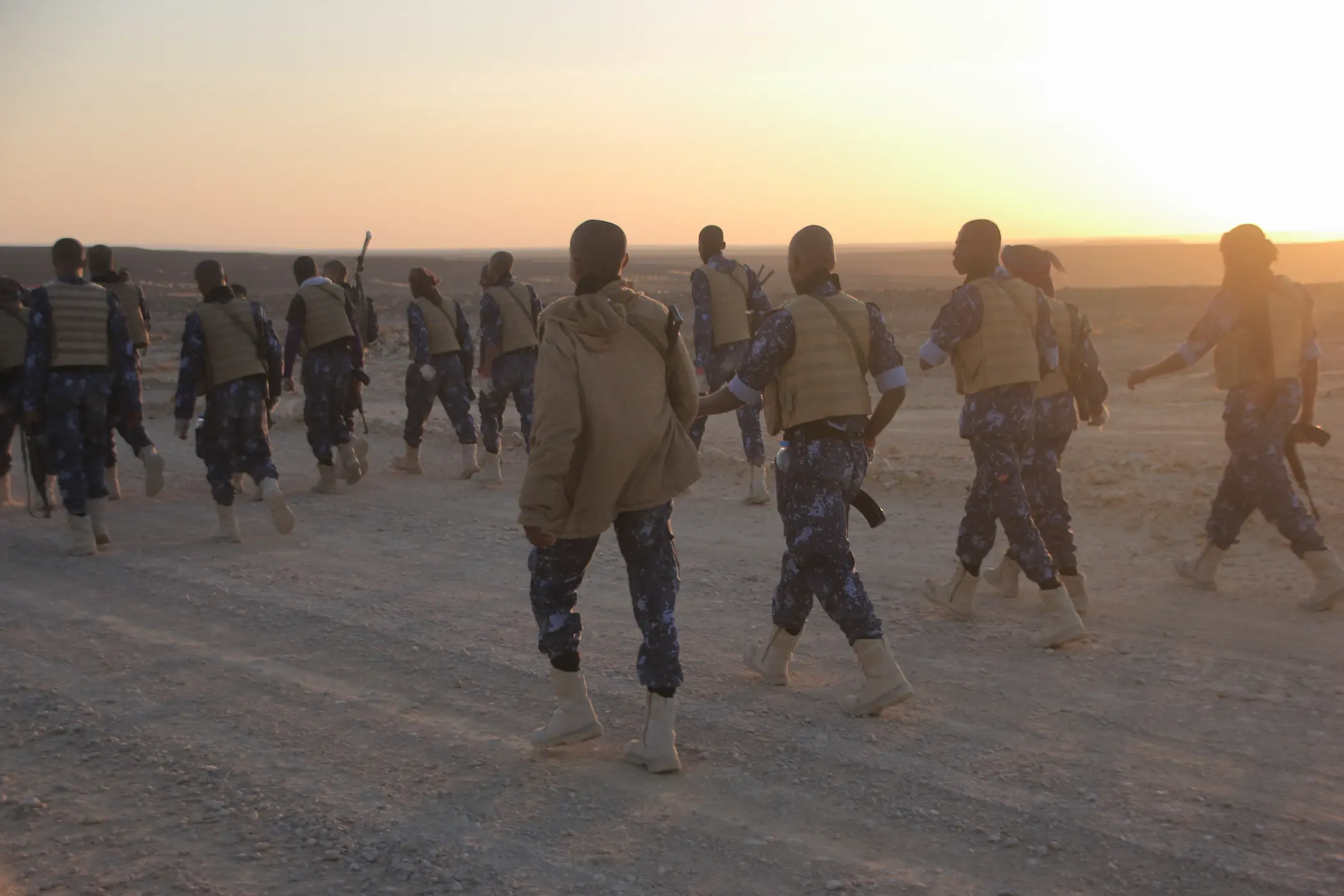
The Houthi armed group has been launching missile and drone attacks on Israel since the start of the Hamas-Israel war in October 2023. While these actions have been undertaken to show solidarity with Gaza and the Palestinian cause, the Houthi utilised these attacks to increase its popularity in Yemen. Moreover, the Houthi group, which is mainly supported by Iran, used these attacks to prove that it is capable militarily of engaging with foreign powers, hence delivering a message to the Aden-based legitimate government and its Gulf allies that it is militarily ready to engage with them.
Programmes
8 May 2025
Hezbollah 2.0: The Future of the Party in Lebanon
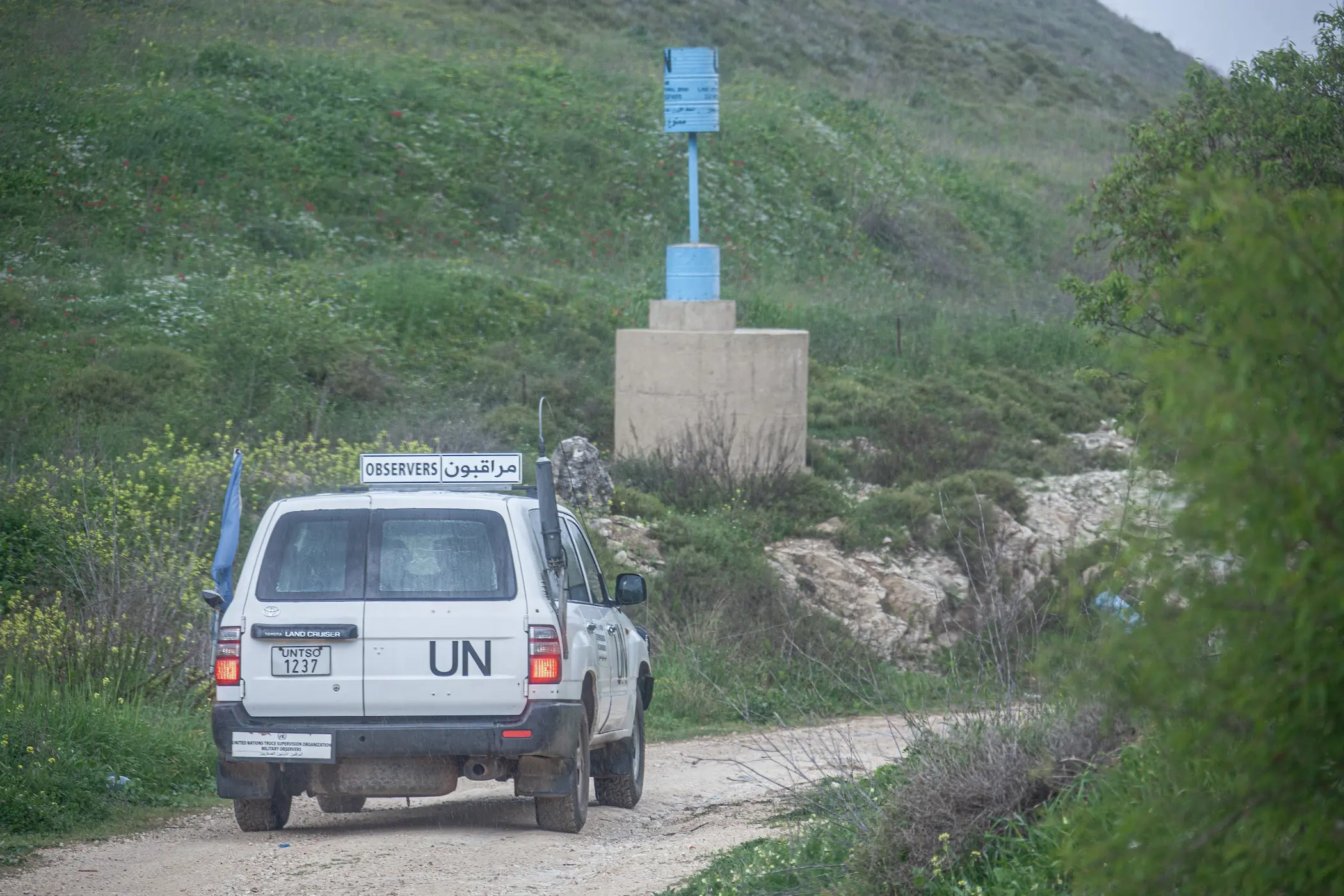
Hezbollah stands at a pivotal crossroads, navigating the turbulent aftermath of a devastating conflict with Israel and grappling with profound shifts in its domestic politics and the regional strategic map. The cessation of hostilities, marked by a U.S.-brokered ceasefire effective Nov. 27, 2024, brought an end to intense fighting that inflicted immense human suffering and infrastructural damage across the country. This fragile peace coincided with, and was significantly influenced by two seismic events: the sudden collapse of the al-Assad regime in Syria, severing Hezbollah’s critical land bridge to Iran, and the end of a paralyzing two-year presidential vacuum in Lebanon with the election of the Lebanese Armed Forces (LAF) Commander General Joseph Aoun, who has promised to dismantle Hezbollah’s military structure and restrict access to weapons, these promises were likely possible to make because of Hezbollah's significantly weakened state.
The 2024 conflict dealt an unprecedented blow to Hezbollah, resulting in the decapitation of its leadership, including longtime leader Hassan Nasrallah and his designated successor; the death of thousands of its fighters; the depletion of its arsenal; and the destruction of vital military infrastructure. This military degradation precipitated a tangible decline in its political influence. Regionally isolated by the fall of its Syrian ally and unable to dictate terms domestically, facing the state signaling a potential shift in Lebanon's internal power dynamics.
Faced with military exhaustion, regional isolation, domestic political setbacks, and a core narrative of "resistance" severely challenged by the reality of defeat, Hezbollah confronts an existential crisis. The organization that emerged from the 2024 conflict is fundamentally different from the one that entered it. This analysis, probes the future trajectory of Hezbollah in this drastically altered landscape to understand how Hezbollah might adapt, survive, or transform in the face of these compounding pressures, and the constraints facing the Lebanese state and the United Nations Interim Force in Lebanon (UNIFIL) in asserting sovereignty, the divergent perspectives shaping the political discourse, and the plausible future pathways for Hezbollah in Lebanon.
Programmes
1 May 2025
Rajaee Port Explosions: Could it Disrupt Diplomatic Path Between Tehran and Washington?
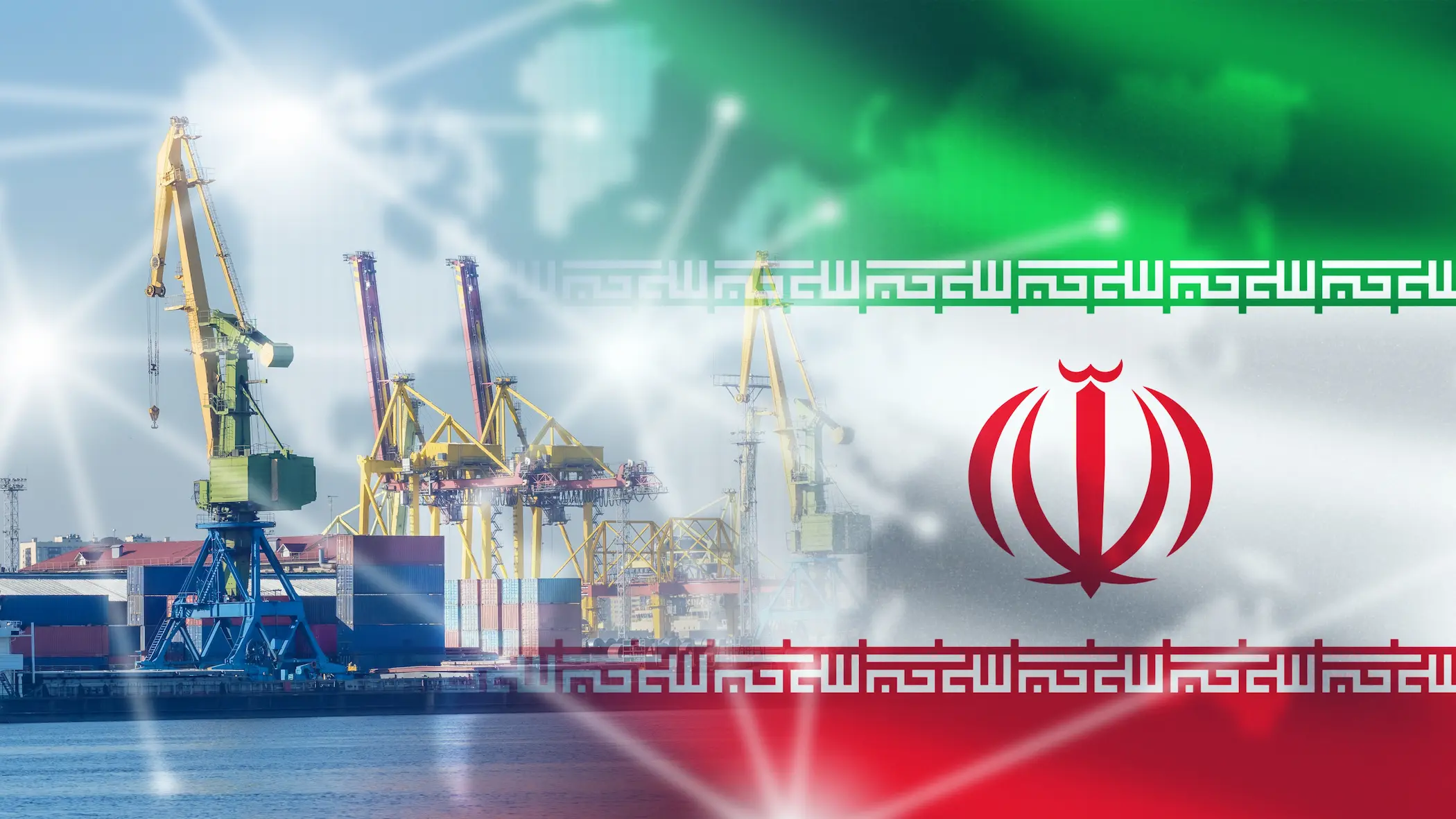
The strategically significant Rajaee Port in Bandar Abbas, southern Iran, was rocked by a massive explosion during the third round of Iranian-US talks in Oman on Saturday, April 26 2025, marking a pivotal moment that warrants in-depth analysis. Located near the Strait of Hormuz, the port serves as a critical nexus for Iran's container traffic and plays a crucial role in the country’s foreign trade, especially amid the sanctions imposed on it. Initial reports point to two primary hypotheses regarding the cause of the incident: the first suggests an accidental explosion resulting from mishandling hundreds of tons of a vital chemical substance, likely used to fuel Iran’s ballistic missile programme, reminiscent of the 2020 Beirut explosion; the second, however, raises the possibility of deliberate sabotage, potentially orchestrated by Israel with the intent to disrupt the Iranian-American diplomatic track. The timing of the explosion, coinciding with intense diplomatic efforts, adds further weight to its potential ramifications.
Regardless of the final cause, an explosion of such magnitude exposes significant vulnerabilities in Iran's security and management systems, reverberating across the entire region. It casts a shadow over diplomatic efforts aimed at addressing nuclear tensions and other unresolved issues. This commentary explores the potential post-incident scenarios, the implications of each hypothesis

Programmes
24 Apr 2025
Divergent Agendas: Türkiye and Israel in Syria
The Syrian Civil War transformed Syria into a battleground for regional powers seeking to advance their strategic interests. Among these powers, Turkey and Israel have emerged as pivotal actors, each pursuing distinct objectives that often clash, exacerbating instability in Syria. While Turkey’s ambitions in Syria are driven by consolidating the authority of the new regime in Syria to dissolve and disarm Kurdish armed groups, Israel emphasises supporting the Druze in the south of Syria and the Kurdish groups in the east of Syria to limit the functionality of the new Syrian government. Israel has also other strategic interests in Syria, such as countering Iranian influence and establishing buffer zones in southern Syria to separate Syrian forces from the Israeli-occupied Golan Heights.

Publications
22 Apr 2025
Truce and Tactic: The Political Calculus of Ceasefires
In today’s volatile political landscape, ceasefires are becoming increasingly relevant. While they are not designed to bring an immediate end to conflicts, they aim to provide a temporary respite in which opposing parties can engage in dialogue and work toward a resolution. Ideally, ceasefires function as transitional phases within ongoing wars, offering the opportunity for negotiation and compromise. However, as a political tool, ceasefires often fail to meet their objectives. Their effectiveness is not simply determined by military action, but by the political will and complex considerations of the parties involved. Ceasefires are heavily influenced by the intentions of the signatories, as not all parties are genuinely committed to ending hostilities. This raises important questions about how we define the success or failure of a ceasefire. If the stated goal is to end the war, yet political agendas remain hidden, the resumption of conflict may not necessarily mean that the ceasefire has failed—it could indicate that one party's objectives were unfulfilled, while the other may have achieved its goals.
Additionally, each ceasefire agreement is unique, shaped by the specific political dynamics at play, including the roles of mediators, guarantees, and the structure of the agreement itself. The Israel-Hamas ceasefire is a striking example of this complexity. While it may appear to be a failure from a broader, collective perspective, it could represent a significant political and military opportunity for Israeli Prime Minister Benjamin Netanyahu. The influence of external actors, such as U.S. President Donald Trump, must also be considered as part of the equation. Ultimately, the fragile truce between Hamas and Israel raises a critical question: Is it merely a political process, or does it reflect a deeper, more strategic calculation that extends beyond the immediate cessation of hostilities?

Programmes
10 Apr 2025
Navigating the Thaw: Scenarios for the US-Iran Negotiations
The geopolitical landscape in the Middle East is set for a potentially major shift with US President Donald Trump’s announcement of the resumption of negotiations between the United States and the Islamic Republic of Iran, scheduled to begin on April 12, 2025. Following a period marked by escalating bilateral tensions and the effective dissolution of the Joint Comprehensive Plan of Action (JCPOA), this resumption of dialogue has generated considerable anticipation both within Iran and across the wider region. The initial, albeit potentially transient, positive reactions observed in Tehran’s financial markets, as evidenced by movements in the stock market and gold prices, underscore the profound economic implications these discussions could hold for the Iranian populace. Furthermore, the potential for these negotiations to influence broader regional stability is a matter of significant concern and interest even for the nations within the Arabian Gulf. While the precise modalities of these diplomatic engagements – specifically whether they will entail direct bilateral talks, as suggested by the U.S. administration, or proceed indirectly through intermediary channels – remain subject to clarification, the very initiation of dialogue signifies a notable departure from the recent trajectory of U.S.-Iran relations. This analysis will therefore explore a range of plausible scenarios that may unfold as delegations from the United States and Iran convene on April 12, and consider the salient internal political dynamics within both nations, the prevailing external pressures exerted by regional and international actors, and the specific contextual factors that have contributed to this renewed, albeit cautious, engagement.

Programmes
13 Mar 2025
Silent Annexation: The Fate of Southern Syria
Caught in the crosscurrents of escalating regional and international rivalries, and witnessing an increasingly assertive Israeli presence, Southern Syria stands at a critical juncture. Ambiguity hangs heavy in the air, obscuring the long-term trajectory of a land grappling with fractured governance, demographic shifts, and the looming threat of further fragmentation. As international and regional actors jostle for influence and advantage, Israel's expansionist ambitions in the south proceed with a disconcerting sense of ease, guided by a methodical strategy and far-reaching objectives. This expansion, however, is not merely territorial; it is reshaping the very fabric of Southern Syria, impacting its social and demographic tapestry, and transforming it into a volatile arena for regional proxy conflicts. Meanwhile, the Syrian state, nominally in Damascus, grapples with deep-seated internal divisions and a diminished capacity to exert meaningful control, potentially paving the way for negative scenarios that threaten the nation's already fragile unity and sovereignty. This analysis aims to dissect these complex transformations, illuminating Israel’s calculated strategy, assessing the internal vulnerabilities of Syria, and anticipating the potential risks that lie ahead for this strategically vital, yet increasingly precarious, region.

Programmes
4 Mar 2025
A Troubled Chain of Command: Politics and the IDF
The appointment of Major General Eyal Zamir to the helm of the Israeli Army, will take office on March 6, transcends a routine leadership transition. It portends a potential strategic recalibration in Israeli military thinking, responding to evolving threats and perceived doctrinal vulnerabilities. Lauded across Israel's political spectrum as the right leader for these turbulent times, Zamir inherits a complex and precarious landscape. He is tasked with revitalizing an army perceived as "faltering," navigating a potentially obstructive political environment, and addressing a volatile region simmering with unresolved conflicts. Adding to the weight on his shoulders is the historical baggage he carries in the eyes of Palestinians, for whom his name evokes memories of harsh measures during past uprisings and operations. This analysis delves into the implications of Zamir's appointment, the delicate dance between political leadership and military autonomy in Israel, the anticipated doctrinal shifts under his command, and the spectre of looming confrontations on multiple fronts.
Programmes
18 Feb 2025
The New Frontier: West Bank is the New Gaza
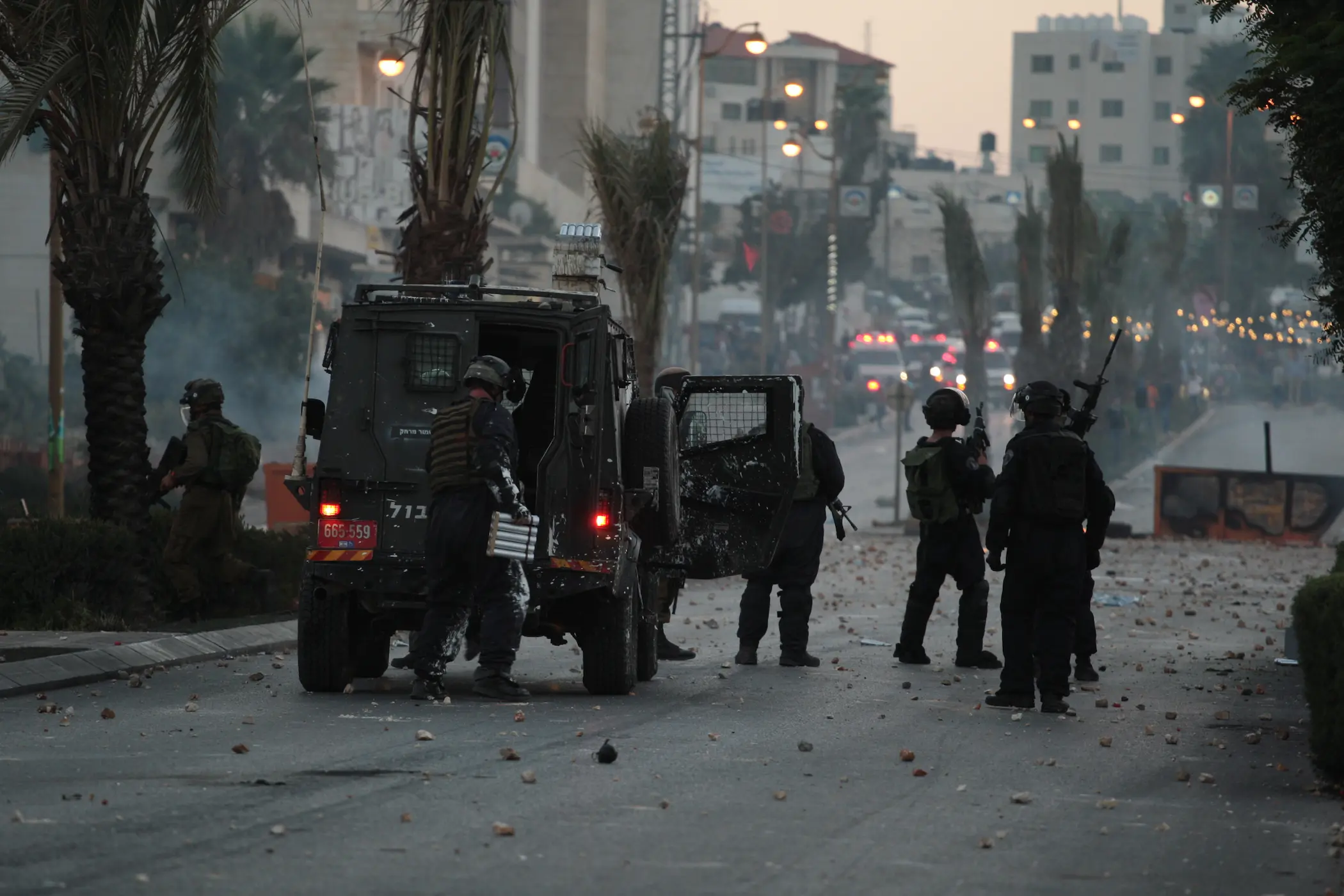
In recent months, the West Bank has witnessed rising violence. The timing in which the West Bank is witnessing escalation is not a coincidence, it is connected to the ceasefire in Gaza. While right-wing elements refuse the ceasefire deal, it is generally argued that Israeli Prime Minister Benjamin Netanyahu has to appease those elements in his coalition. Netanyahu who is believed to have been pressured to accept the deal, does not find any alternative to satisfy right wingers in his coalition other than shifting the war to the West Bank. While this understanding is not entirely false, it is suggested that recent events in the West Bank are part of Israel’s expansionist plan aiming at imposing Israeli sovereignty on the territory. Using legal and political manoeuvres, Israel aims to turn the West Bank into another Gaza which results in broader regional implications.

Publications
6 Feb 2025
Will Israel Suceed in Dissolving UNRWA During Trump’s Second Term?
In a significant escalatory move, Israel’s Ambassador to the United Nations, Danny Danon, has notified the UN Secretary-General in writing that UNRWA must cease its operations and vacate its premises by January 30, 2025. This ultimatum follows Israel’s enactment of a law last October banning the agency’s activities within its territory, including occupied East Jerusalem. The decision is rooted in Israel’s allegations that UNRWA has been infiltrated by Hamas, with claims that some of its employees were involved in the Oct. 7, 2023, attacks.
This paper examines the evolving and contentious relationship between Israel and UNRWA. It also explores potential U.S. intentions to dismantle the agency, particularly in light of Donald Trump’s return to power and his recent remarks regarding the displacement of Gaza’s population and the repercussions of this ban.
Programmes
8 Jan 2025
Back to Square One: Will the Presidential Vacuum in Lebanon Come to an End?
Lebanese Parliament Speaker Nabih Berri reiterated his call for a general session of Parliament on Jan. 9, 2025, to elect a new president as Lebanon’s presidential vacuum stretches into its third year. This call comes amid an ongoing crisis that began on October 31, 2022, following the end of former President General Michel Aoun's term. Aoun’s departure marked the conclusion of a previous presidential vacuum that lasted for 29 months, during which 45 attempts to reach a quorum for his election were unsuccessful. In the current vacuum, Parliament has failed to elect a president after twelve sessions, the most recent of which was held on June 14, 2024. This series of unsuccessful attempts highlights the profound complexities of Lebanon’s political process.
Recent domestic initiatives aimed at resolving the presidential vacancy and reaching a consensus on a candidate have also faltered. Meanwhile, representatives from five key countries, the United States, France, Saudi Arabia, Egypt, and Qatar, continue their efforts to mediate and navigate the obstacles hindering Lebanon’s political forces from agreeing on a mechanism to address the protracted vacancy crisis.
Amid persistent uncertainty surrounding the identity of Lebanon’s next president, political circles have been actively circulating the names of potential candidates. Among these, Commander of the Lebanese Army General Joseph Aoun, has emerged as a strong contender and is widely viewed as a likely consensus candidate.
The upcoming parliamentary session has ignited significant hopes that it may produce tangible results and lead to the selection of a new occupant for Baabda Palace. However, this optimism is tempered by pressing questions about whether Lebanon’s political forces can overcome their divisions, resolve the presidential vacuum, and converge on a candidate amidst the shifting political dynamics within Lebanon and across the region.