
Programmes
13 Apr 2026
Defence Economies at War: National Budget Stress
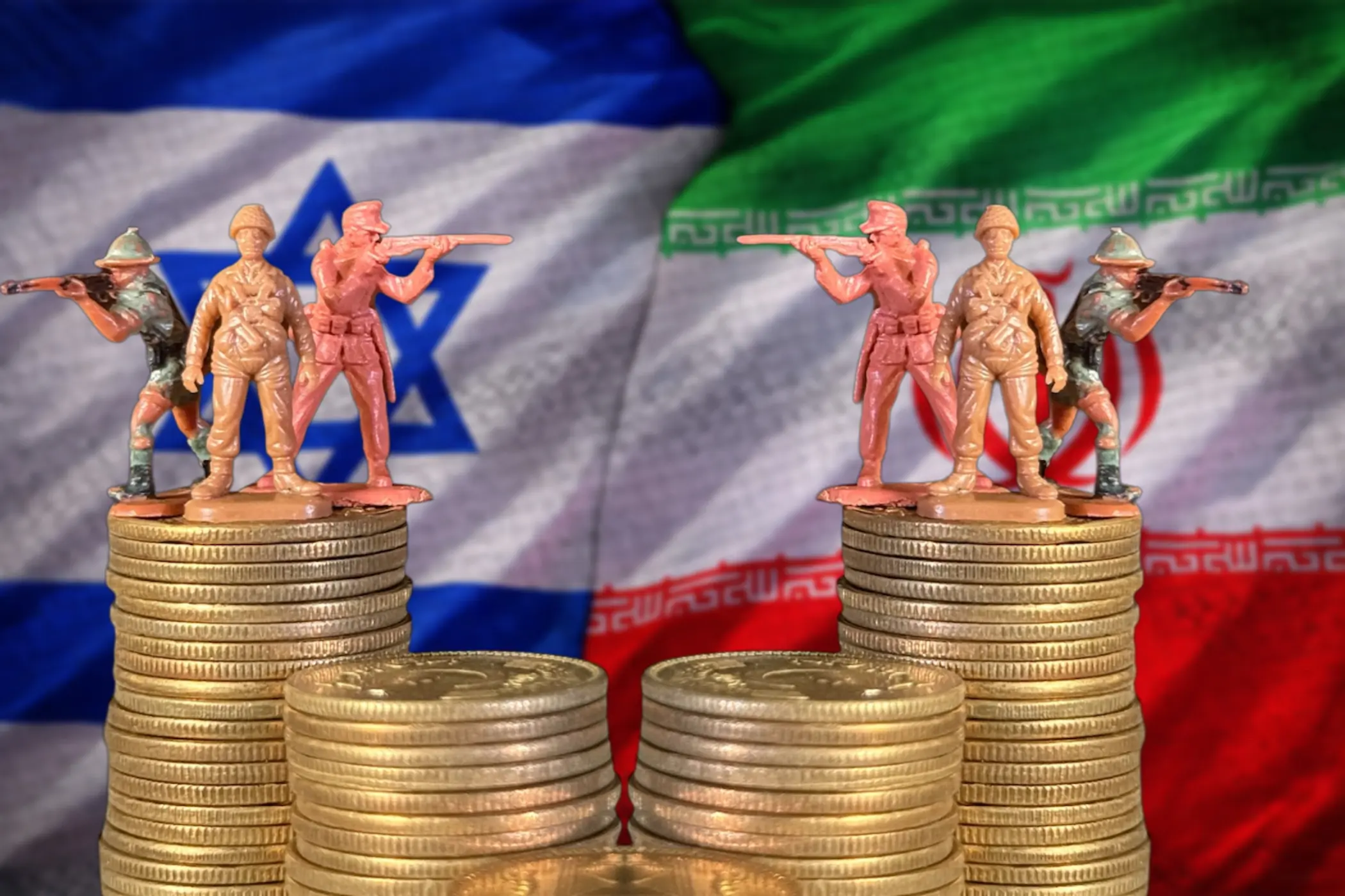
A defence economy comprises the fiscal, industrial, and budgetary systems through which a state finances, maintains, and adjusts its military capacity. During peacetime, these systems tend to remain stable; in wartime, they become the main mechanism through which conflict transforms a nation’s economic structure. The escalation of Israeli military operations since October 2023 and the broader confrontation with Iran and its regional proxies have caused a defence-economy shift, leading to significant realignments in how the conflicting sides allocate public resources, incur debt, and prioritise expenditure.
This analysis examines how sustained military escalation has reshaped the defence economies of its three key actors: Israel, Iran and the United States. It assesses both short-term fiscal responses and longer-term budget trajectories, arguing that the conflict has not produced a temporary spending spike but a structural transformation, one that has widened deficits, crowded out civilian services, mobilised domestic defence industries, accelerated sovereign credit deterioration, and embedded elevated military spending into national budgets in ways that will persist well beyond any ceasefire. Across the Middle East, the boundaries between battlefield expenditure and national economic health have become increasingly difficult to separate.
Programmes
8 Apr 2026
The Samson Option: Implications for the Nuclear Taboo and Fatalism
Israel’s nuclear arsenal is one of the “worst-kept secrets” in the MENA region due to the strategic ambiguity regarding its existence. Currently, Israel is not a signatory to the Nuclear Proliferation Treaty and is allegedly the only state in the MENA region to possess nuclear warheads. It is estimated that Israel currently in possession of approximately 80 nuclear warheads that can be deployed through ballistic missiles or by aircraft. While this nuclear program is shrouded in ambiguity, there is a genuine fear that Israel can reveal the full extent of its nuclear capabilities in the form of the Samson Option, which can bare consequences for the nuclear taboo as well as adverse psychological effects for the MENA region and the world.

Programmes
7 Apr 2026
Breaking the Tether: How Iridium Unleashes Shahed Drones
The landscape of modern air warfare has undergone a profound and structural transformation over the past decade. Air superiority is no longer the exclusive domain of those possessing the most expensive and technologically advanced platforms; rather, it has become accessible to actors capable of effectively leveraging scale and repetition against sophistication and complexity. This new equation has been clearly manifested in the widespread deployment of one-way attack drones, particularly the Iranian “Shahed” series, which has significantly altered established strategic calculations. In their early iterations, these drones operated on relatively simple logic: they were pre-programmed with target coordinates and then launched to navigate their trajectories using conventional satellite navigation systems such as the American GPS and its Russian counterpart, GLONASS. However, this reliance on such systems simultaneously made them the most exploitable vulnerability, as defenders rapidly developed electronic warfare capabilities, including jamming and spoofing tools, to disrupt their guidance and neutralise their missions.
However, this reality did not endure for long. As the intensity of conflicts involving these systems escalated, Iranian drones transitioned into a fundamentally different phase with the integration of communication modules operating via the commercial satellite network Iridium. This was not merely a technical upgrade but a calculated and direct response to GPS vulnerabilities, reflecting a strategic exploitation of civilian infrastructure for military purposes. While GPS satellites struggle to withstand ground-based jamming due to the weakness of their signals transmitted from altitudes exceeding 20,000 kilometres, Iridium satellites operate in low Earth orbit at altitudes of no more than 800 kilometres, emitting signals up to a thousand times stronger. These signals are further protected by layers of encryption that make spoofing or manipulation extremely difficult.
Shahed drones have thus evolved from inert projectiles following a fixed, unalterable path into connected platforms linked to their operators in real time, capable of receiving updates, changing course, sharing data with other airborne units, and even conducting precise strikes against moving targets such as ships at sea. This report therefore offers an in-depth technical and strategic examination of this transformation and its battlefield implications, beginning with the structure and operating logic of the Iridium network, moving through an analysis of the Shahed-131 platform and the integration of these communications into it, and culminating in an assessment of the operational impact this has had on some of the world’s most complex and densely layered air defence systems, namely Israel’s multi-layered architecture, which faced its most severe tests between 2024 and 2026.
Programmes
1 Apr 2026
Pulse: The United States-Israel-Iran War
This Pulse survey, conducted in March 2026, explores perceptions of the ongoing war and its potential trajectories, focusing on expectations around its duration, outcomes, and broader regional and global implications. The findings reveal a high degree of uncertainty, with no clear consensus on how or when the conflict will end, reflecting the complexity and fluidity of the situation.
Programmes
31 Mar 2026
What If: The Houthis Close Bab el-Mandeb?
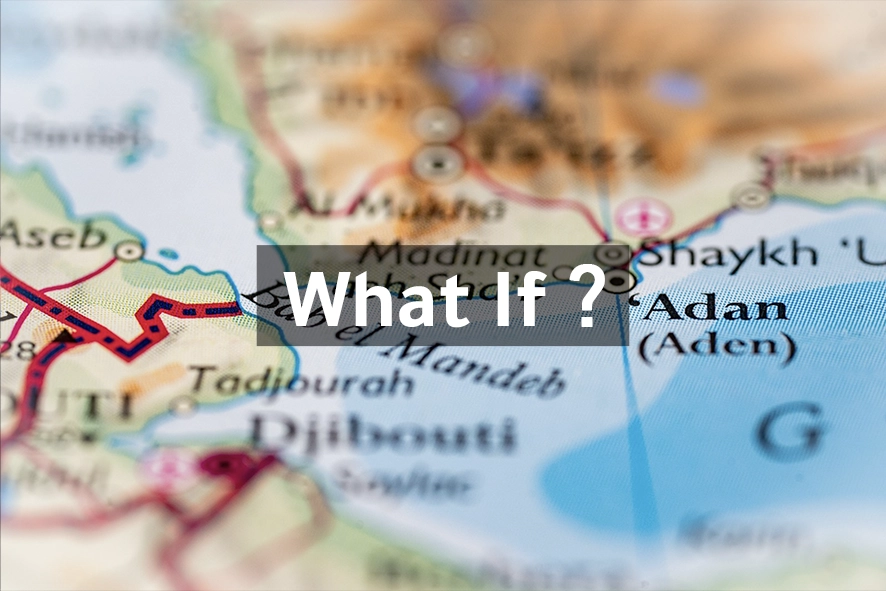
The United States–Israel–Iran war, which began with a set of vaguely defined objectives including regime change in Iran and the dismantling of its missile and nuclear capabilities, now appears to be shifting toward a different set of priorities. Iran has managed to internationalise the conflict in a way that has redirected attention toward containing the scale of global economic disruption. Put simply, the focus is increasingly on securing the flow of oil amid what is being described as one of the most severe energy crises in modern history. Much of the world’s attention has centred on the Strait of Hormuz, and rightly so. This vital shipping lane accounts for roughly 20% of global liquid petroleum consumption, as well as a significant share of global liquefied natural gas trade (LNG). However, with the Iran-backed Yemeni Houthis now entering the conflict, the risks facing regional oil exports and maritime routes have intensified further. As the de facto controllers of the Bab al-Mandeb Strait, the Houthis are in a position to disrupt shipping through the Red Sea and the Gulf of Aden.
This raises several critical questions. Why have the Houthis chosen this moment to enter the war? Under what conditions might they escalate their involvement? And what would be the consequences of a closure of the strait?
Programmes
22 Mar 2026
From Partnership to Prudence: China’s Changing Investment Posture in Israel
Economic and geopolitical relations between China and Israel have undergone significant changes following the War on Gaza. Chinese regulatory authorities moved to classify certain areas within Israel under what is known as the Red Category, an official administrative designation that identifies these locations as high-risk investment zones. This classification imposes legal restrictions that prevent the injection of new financial investments into these areas.
As a result, a legal environment has emerged in which Chinese companies rely on security warning protocols and personnel safety considerations as a formal justification for controlling capital flows and suspending the implementation of certain financial obligations under previously signed contracts. This development necessitates a careful examination to understand how these risk assessment mechanisms operate and their tangible impact on the economic relationship between the two countries.
Programmes
18 Mar 2026
From Wartime Partners to Political Rivals… Could Iran Ignite a Rift Between Trump and Netanyahu?
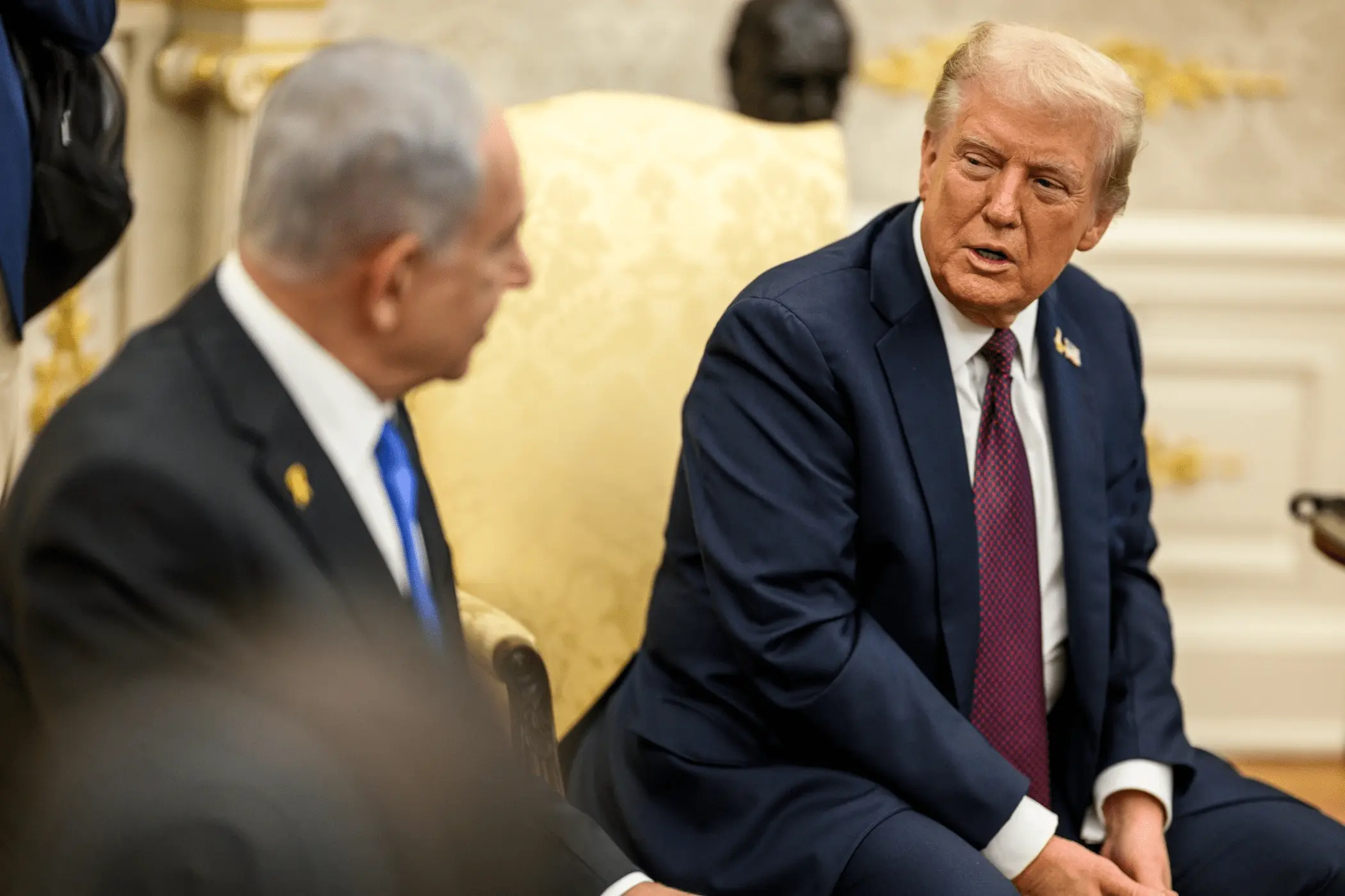
The strategic partnership between the United States (U.S.) and Israel has long demonstrated an exceptional ability to absorb and manage tactical divergences. Yet the developments accompanying the launch of the U.S. operation "Epic Fury," conducted in parallel with Israel’s "Visiting Lion" operation in late February 2026, have placed this alliance under an unprecedented test in the modern Middle East. Although this coordinated campaign initially achieved decisive operational successes, most notably the elimination of Iran’s Supreme Leader and the dismantling of the command structure of the Islamic Revolutionary Guard Corps (IRGC), the image of complete alignment projected by President Donald Trump and Prime Minister Benjamin Netanyahu conceals fundamental divergences in visions and objectives.
A careful reading of the historical trajectory of this relationship, alongside its current political constraints, suggests that a prolonged conflict will expose the sharp divergence in the strategic interests of the two capitals. As the confrontation shifts from rapid strikes to a complex regional war of attrition whose consequences extend beyond Washington and Tel Aviv, these differences are likely to evolve into deep structural fractures. This paper offers a strategic analysis of this emerging dynamic, arguing that the fundamental differences in the capacity to absorb economic repercussions, manage human losses, and navigate rigid electoral timelines will transform muted tactical disagreements into an overt strategic rift that will be increasingly difficult to contain or deny.
Programmes
11 Mar 2026
The Turkey-Israel Fault Line and the Future of the Middle East
The United States and Israel's joint military campaign against Iran is upending the strategic order of the Middle East in ways that extend far beyond Tehran. The strikes have killed Iran's Supreme Leader Ali Khamenei, targeted Iran's military and nuclear infrastructure, and triggered retaliatory Iranian attacks across the region. As the war enters its second week, a second and potentially more consequential shift is taking shape. With Iran's role as the dominant pole of regional opposition to Israel now in question, a new rivalry is hardening between Israel and Turkey, one that carries different stakes, different risks, and a far more unpredictable trajectory than the confrontation the current war was designed to resolve. Understanding this emerging fault line requires examining both the structural forces pushing the two states apart and the domestic political dynamics that risk turning competitive rhetoric into irreversible confrontation.
Programmes
10 Mar 2026
How the US-Israel-Iran War Could Reshape the 2026 Midterms
The United States entered the second week of its joint military campaign against Iran on March 7, 2026, having launched Operation Epic Fury alongside Israel on February 28. Within days, the conflict had killed Supreme Leader Ali Khamenei, triggered Iranian retaliatory strikes across the Gulf, and drawn in regional powers from Bahrain to Lebanon. For the Republican Party, the war arrived at what was already an exceptionally precarious moment — one in which the historical forces of midterm politics, falling presidential approval, and a restless voter coalition had already conspired against them. The onset of a major, unpopular war has only deepened those vulnerabilities, and the question facing the GOP heading into November is no longer simply whether they will lose seats, but how many.
Programmes
10 Mar 2026
Where Does China Stand in the US-Israel-Iran War?
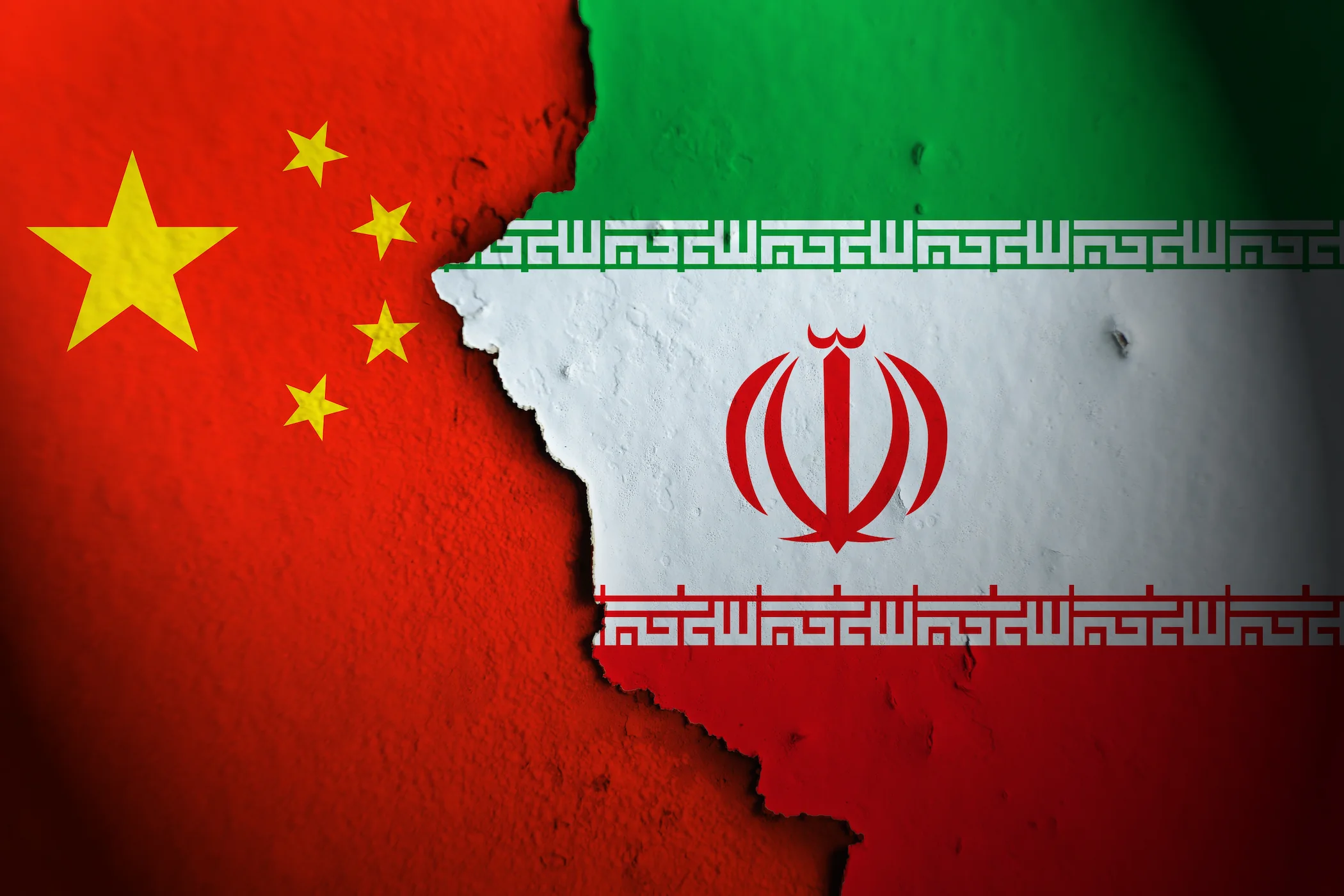
The U.S.-Israel and Iran War has affected the interests of many countries. In the last few days, China emerged as a significant player in these events. Beijing called for an immediate halt to the attacks by both sides and the protection of vessels passing through the Strait of Hormuz, culminating with the Chinese Foreign Minister Wang Yi pledging to send a special envoy to the Middle East for mediation.
Beijing has interconnected interests in the Middle East that are significantly affected by the war and will most likely reshape its strategic opportunities in the region, particularly in terms of energy security, trade routes, and diplomatic relations with key regional players. Beijing’s pragmatic foreign policy approach toward the region relies on protecting its economic interests and maintaining a strategic balance. So, the war could provide an opportunity for China to navigate new opportunities in the region and, consequently, expand its influence, particularly by strengthening ties with other oil-producing nations and increasing its investments in reconstruction efforts.
Likewise, China’s strategic partnership with Iran mainly revolves around oil supply and large-scale investments. The consequences of the war raise questions about the future of this relationship and the possibility that China may reshape its foreign policy toward Tehran if it faces a potential decline in Iran’s ability to sustain such interests as a result of the strain on its power after the war.
Programmes
5 Mar 2026
The Hormuz Inflection: Oil Markets After the Iran Strikes
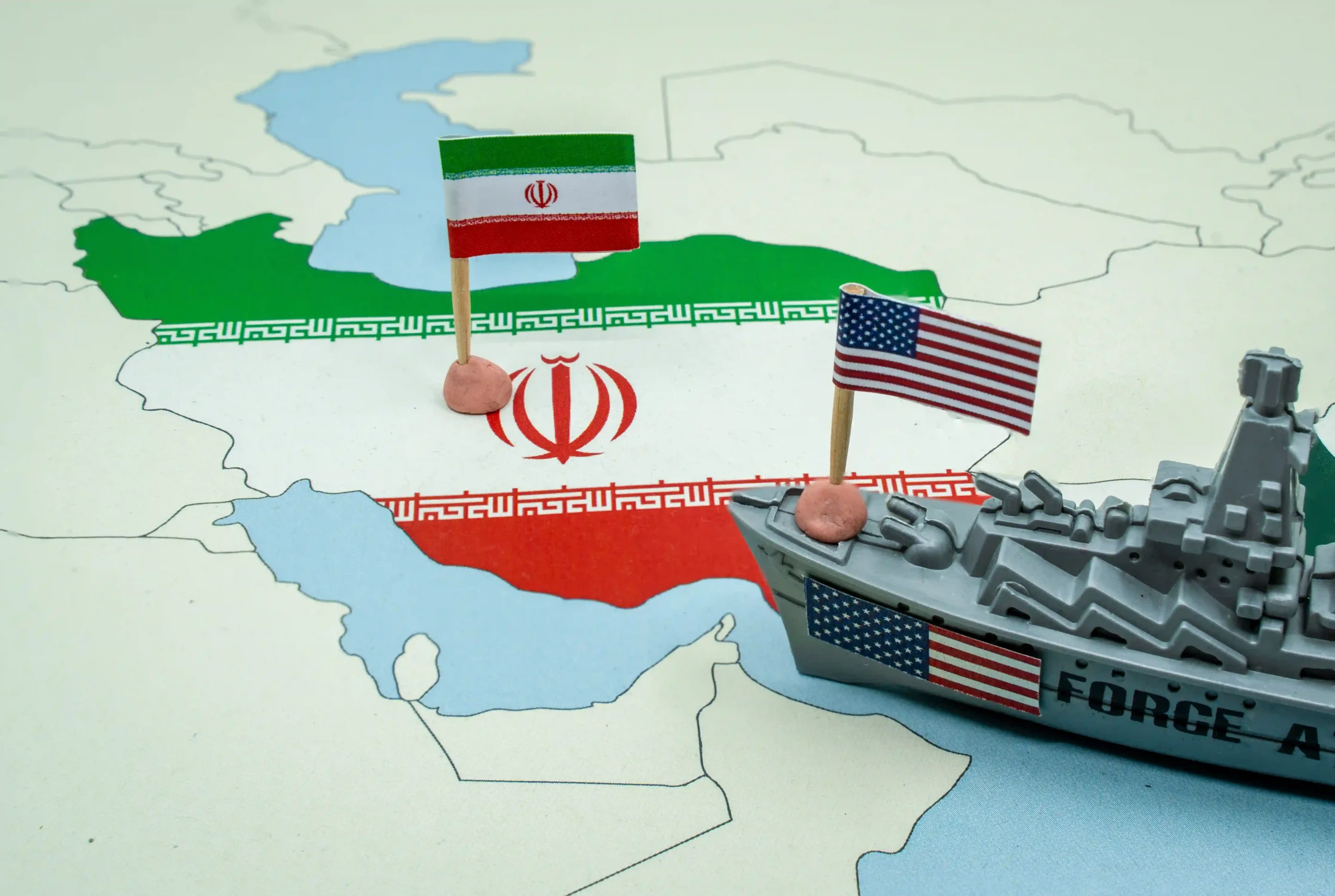
The Feb. 28, 2026 United States–Israeli offensive against Iran represents the most consequential escalation in Gulf security dynamics in over a decade and introduces immediate, medium-term, and long-term risks to global energy stability. The strikes targeting senior leadership and strategic military infrastructure triggered Iranian retaliation across the Gulf region and sharply increased the probability of disruption to maritime energy flows, particularly through the Strait of Hormuz.
While physical supply outages remain limited at the time of writing, markets have responded by repricing geopolitical risk. Crude benchmarks surged on reopening, freight and insurance costs rose materially, and volatility spiked across commodities and currency markets. The core economic question is not whether prices react, they already have, but whether the conflict transitions from a risk-premium shock to a sustained supply disruption.
The Strait of Hormuz remains the central transmission channel. Roughly one-fifth of globally traded oil and more than one-third of seaborne liquefied natural gas pass through this chokepoint. Even temporary interference has outsized macroeconomic implications. Assessing the implications of the crisis requires examining immediate market reactions, potential disruption scenarios, medium-term supply responses, and the longer-term structural consequences for global energy security and macroeconomic stability.
Programmes
5 Mar 2026
The Missile and Drone Dilemma: When Defensive Measures Outstrip the Cost of Attack
The fundamental character of modern aerospace warfare has undergone an irreversible paradigm shift, transitioning abruptly from the deployment of exquisite, highly survivable platforms to the brutal arithmetic of industrial attrition and affordable mass. This operational reality was starkly illuminated in late February 2026, with the commencement of Operation Epic Fury by the United States Armed Forces and the parallel Operation Roaring Lion executed by the Israel Defence Forces.
Following the collapse of nuclear negotiations, the allied coalition launched a massive preemptive military campaign. Deploying an overwhelming concentration of aerospace assets, the coalition struck over one thousand strategic targets deep within Iranian territory during the opening twenty-four hours. United States forces executed over nine hundred individual precision strikes in the first twelve hours alone, utilising stealth bombers, naval fighters, and cruise missiles, escalating to more than one thousand, two hundred, and fifty targeted strikes within forty-eight hours. Simultaneously, the Israeli Air Force conducted over seven hundred sorties on the first day, dropping more than one thousand two hundred munitions to achieve immediate tactical successes and air superiority.
However, the immediate and sustained retaliation by the Islamic Revolutionary Guard Corps, designated Operation True Promise IV, has placed an unprecedented and mathematically gruelling strain on the allied integrated air and missile defence architecture. Within the first forty-eight hours of the conflict, the adversary entente launched roughly four hundred and twenty medium-range ballistic missiles targeting many countries in the region. This barrage was accompanied by massive swarms of loitering munitions.
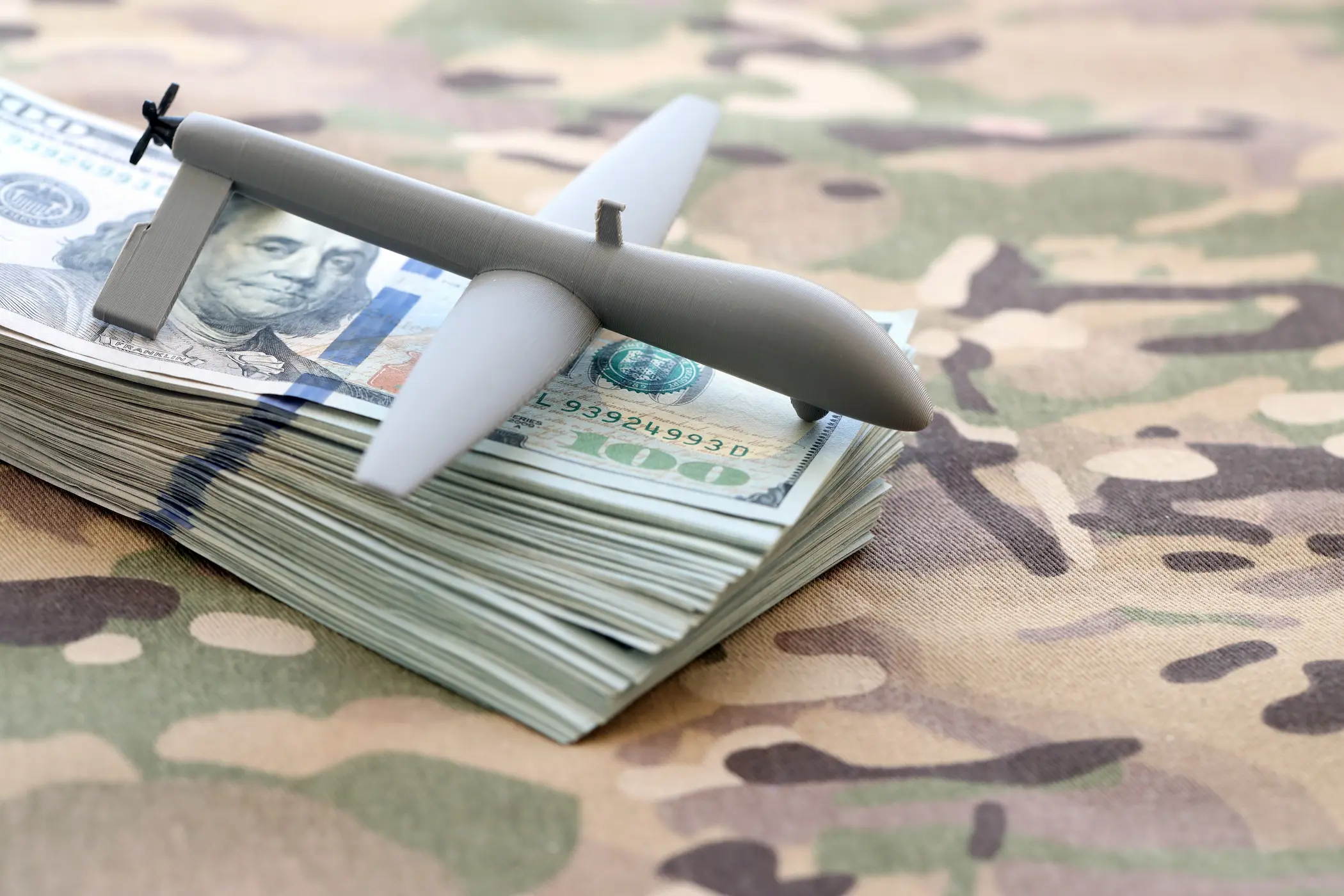
The staggering depletion rates of multimillion-dollar interceptors and precision strike munitions against high-volume, low-cost adversary threats have exposed a profound mathematical vulnerability in contemporary military logistics. As the global defence industrial base proves incapable of replenishing these exquisite arsenals at the speed of combat consumption, both the allied coalition and the adversary entente are confronting a rapidly approaching logistical exhaustion horizon. To continue the war and secure a decisive strategic victory, it is an absolute strategic imperative for both sides to aggressively substitute these high-end, legacy assets with scalable, cost-asymmetric alternatives, pivoting their operational doctrines toward deployable mass and continuous attritional endurance.