

Programmes
23 Dec 2025
Class, Declinism, and Emotional Turmoil: The Great British Migration to Dubai
Since Brexit, the United Kingdom (UK) has been experiencing a governance issue, as the Conservative Party suffered from instability due to numerous leadership changes, while the recently elected Labour Party lacks the ambition and confidence needed to effectively govern. Combined with the shocks stemming from Brexit, COVID-19, and the Russia-Ukraine War, the UK has experienced economic stagnation and the deterioration of public services, which has resulted in British nationals migrating abroad.
One of these locations is the UAE, more specifically, Dubai. There are approximately 240,000 British nationals currently living in Dubai, with more to join as there was a 420% increase in internet searches in the UK centered on moving to Dubai. Those are staggering statistics, and the number is only going to grow as more British nationals across the socio-economic spectrum continue to migrate to Dubai. However, the reasons explaining British migration to Dubai are not as simple as lower taxes, security, and great weather. One can argue the rise of British migration to Dubai can be attributed to a desire to break from a ridged class system, declinism, and emotional turmoil brought on by the cost-of-living crisis.

Programmes
16 Dec 2025
Pulse: AI and Arab Identity
This Pulse survey, conducted in November 2025, explores public attitudes toward AI in Arab societies, with a particular focus on reliance on foreign AI models and their impact on Arab values and identity. The findings highlight growing concerns about how AI systems may influence cultural norms, shape collective identity, and redefine societal priorities. By examining perceptions of the need for Arab-developed AI and views on who should lead its development, the survey offers insight into how technological dependence is increasingly understood as a strategic, cultural, and identity-related issue across the Arab world.
Programmes
12 Dec 2025
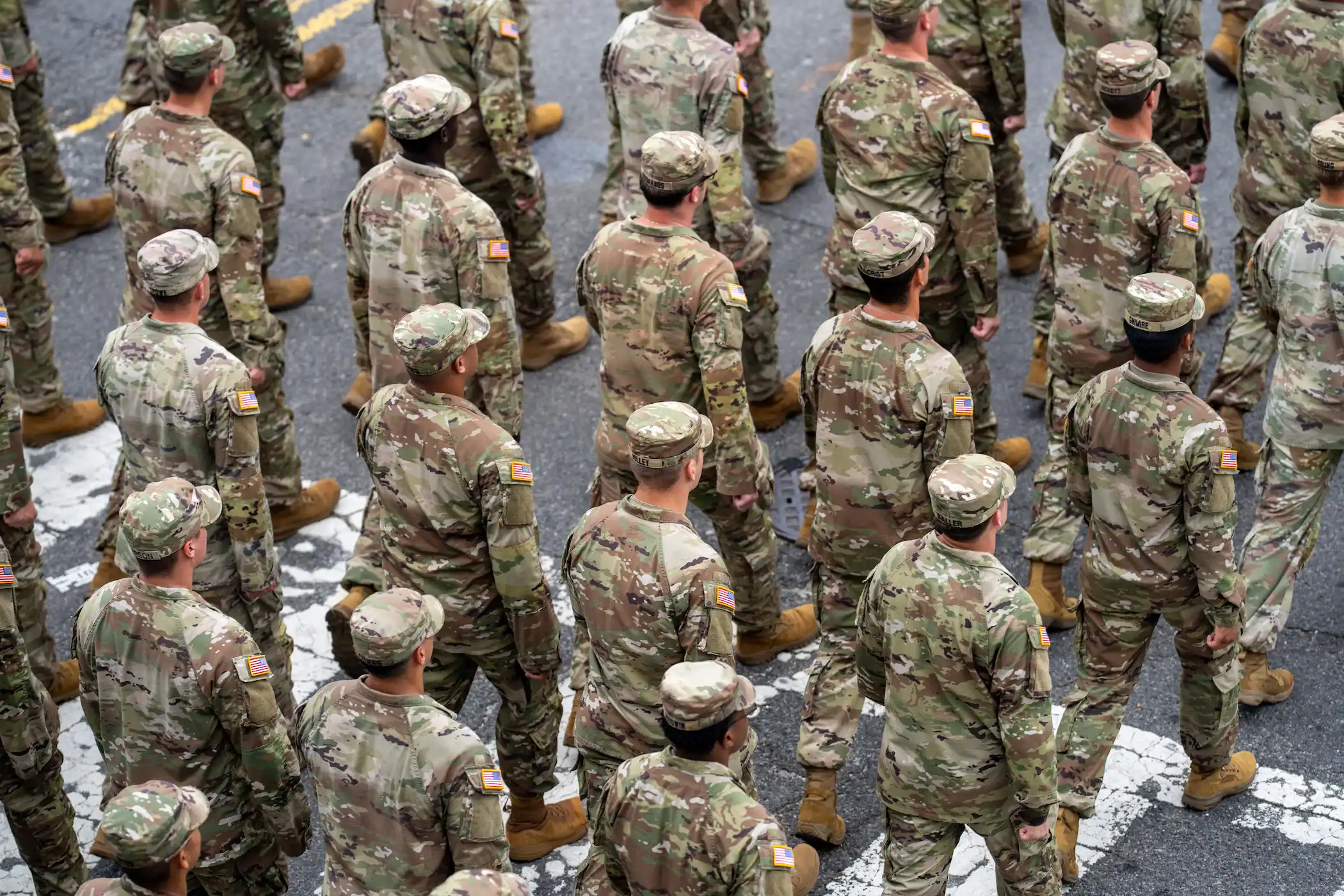
The 2025 NSS: Disengagement or Entrenchment?
The National Security Strategy (NSS) defines the guiding vision of American power and provides a window into how the United States understands the international environment, identifies its priorities, and determines the political, military, and economic tools it will rely on to protect national interests. Accordingly, the NSS shapes defence planning, informs foreign policy doctrine, guides inter-agency action, and signals to allies and adversaries the direction of U.S. engagement in an evolving global landscape.
The 2025 NSS, issued by the Trump administration in November 2025, is a clear articulation of how this administration intends to position itself in a world marked by rising geopolitical fragmentation, sharpening competition, and growing domestic constraints. Its core purpose is to translate the administration’s worldview into a coherent framework that defines what the United States will prioritise, what it will deprioritise, and under what conditions it will expend political capital, economic leverage, or military force.
For the Middle East, understanding the 2025 NSS is essential because it captures the principles shaping America’s evolving posture toward the region. The strategy’s emphasis on burden-sharing, reduced military exposure, and transactional partnerships signals a shift in expectations for regional actors, while its focus on energy security, counterterrorism, and strategic competition with external powers continues to define the contours of U.S. interests. As a formal expression of how the administration interprets threats and opportunities, the NSS provides the clearest available roadmap of Washington’s intentions—and the framework within which its decisions toward the Middle East will be made in the years ahead.

Programmes
11 Dec 2025
What If: the War Ends on Russia’s Terms
The prolonged Russia-Ukraine War has been met with futile efforts to end it by several peace plans throughout nearly four years of war. Currently, U.S. President Donald Trump appears determined to end the war by pushing a peace plan in the last few months of 2025 and negotiating with both Russian President Vladimir Putin and Ukrainian President Volodymyr Zelenskyy.
Many scenarios unfold for the aftermath of the Russia-Ukraine War. Amid the ongoing peace negotiations, driven mainly by the U.S. and Russia’s push for Trump’s 28‑point plan and Ukraine’s counterproposal through the amended 19‑point plan, a settlement favouring Russia is increasingly possible, raising the question: if such a plan is adopted, how will the Eurasian scene change?

Programmes
11 Dec 2025
AI-Fueled Shadow Conflicts: The New Era of Untraceable Espionage
AI is reshaping international competition in ways that governments are only beginning to understand. The spread of AI-enabled cyber operations has created a new landscape in which intrusions unfold rapidly, cross borders with ease, and often leave behind little that can be reliably attributed to a specific actor. States now find themselves navigating an environment where responsibility is increasingly difficult to establish, and where strategic judgement becomes far more fragile.
While espionage and covert action have always operated in murky territory, the introduction of AI into these practices has accelerated the pace of events and weakened the signals that national security officials have traditionally relied upon. This shift demands sustained attention, not only because the technology is advancing quickly, but also because the risks associated with misinterpretation and unintended escalation are becoming sharper.

Programmes
9 Dec 2025
NATO’s Strategic Dependence on Batteries
Across NATO, the next generation of forces is being built around a decisive shift toward replacing fuel-based systems with electricity and high-performance batteries. From unmanned systems and smart munitions to mobile command posts and sensor networks, the Alliance’s deterrence posture is becoming electric. The move promises faster deployment, reduced noise signatures, and fewer supply convoys. Yet, beneath this technological progress lies a growing structural risk.
Every step toward electrification deepens NATO’s exposure to fragile supply chains and volatile critical-mineral markets. Batteries are now the linchpin of power projection, but also a potential weak point in it. The Alliance’s ability to fight, deter, and coordinate operations could hinge on materials mined or processed far from NATO’s control. As warfare becomes increasingly digital and electric, NATO faces a strategic challenge of a new kind: not how to innovate faster, but how to secure the energy backbone of its deterrence, and prevent the tools of modernisation from becoming instruments of dependency.

Programmes
7 Dec 2025
Red Alert: Chernobyl Radiation Shield Damaged
On Feb. 14 2025, a drone struck the protective shield covering Reactor No. 4 at the Chernobyl Nuclear Power Plant, Ukraine. The attack caused a fire and damaged the steel cladding. As of Dec. 6 2025, the International Atomic Energy Agency (IAEA) has formally assessed the site and reported that the New Safe Confinement has now “lost its primary safety functions, including the confinement capability,” meaning it can no longer guarantee that radioactive material remains fully contained. Ukraine has blamed Russia for the strike, which Moscow denies, while international monitors warn that the risk to global nuclear safety is rising.

Programmes
1 Dec 2025
What If: Global AI Systems Collapsed Overnight?
Artificial intelligence systems and data centres have increasingly become an integral part of modern day society. A KPMG survey focused on AI use found that 66% of respondents use AI for work and personal reasons, of which 38% of respondents claim to use AI on a daily or weekly basis and 28% use it semi-regularly. According to these results, a majority of the respondents rely on AI to carry out day to day functions whether it be for work, study, or personal reasons. Moreover, the reliance on AI has been extended to governments, global financial systems, and states, as these entities rely on AI systems to improve efficiency and speed of services provided. This shows how AI has become integrated into the fabric of global society.
Now imagine one day all AI systems and programs cease to function. While the chances of such an event happening are low, it is not impossible and the consequences of being overly reliant on AI systems can be devastating. The consequences of a global AI shutdown will impact the global economy as well as global geopolitics, which could lead to trillions disappearing from the stock market and national security disasters across the globe.

Programmes
10 Nov 2025
What If: The Next Power Race Is for Data, Not Land?
The race for global dominance is no longer fought over land, oil, or military might, it is rapidly unfolding in the realm of data. Across the world, governments are fortifying their digital borders, investing in surveillance technologies, and rewriting laws to claim ownership over the information flowing through their networks.
What emerges is a contest not for territory but for control over the data that defines modern life, who produces it, who stores it, and who decides how it is used. This silent power race is redrawing the global order, creating new hierarchies of influence built on algorithms and infrastructure rather than armies. As states weaponise information, the battle for sovereignty is shifting from physical borders to the digital terrain of human behaviour.
Programmes
7 Nov 2025
The Obsolescense of the Nuclear World Order and the Emergence of Genome Editing
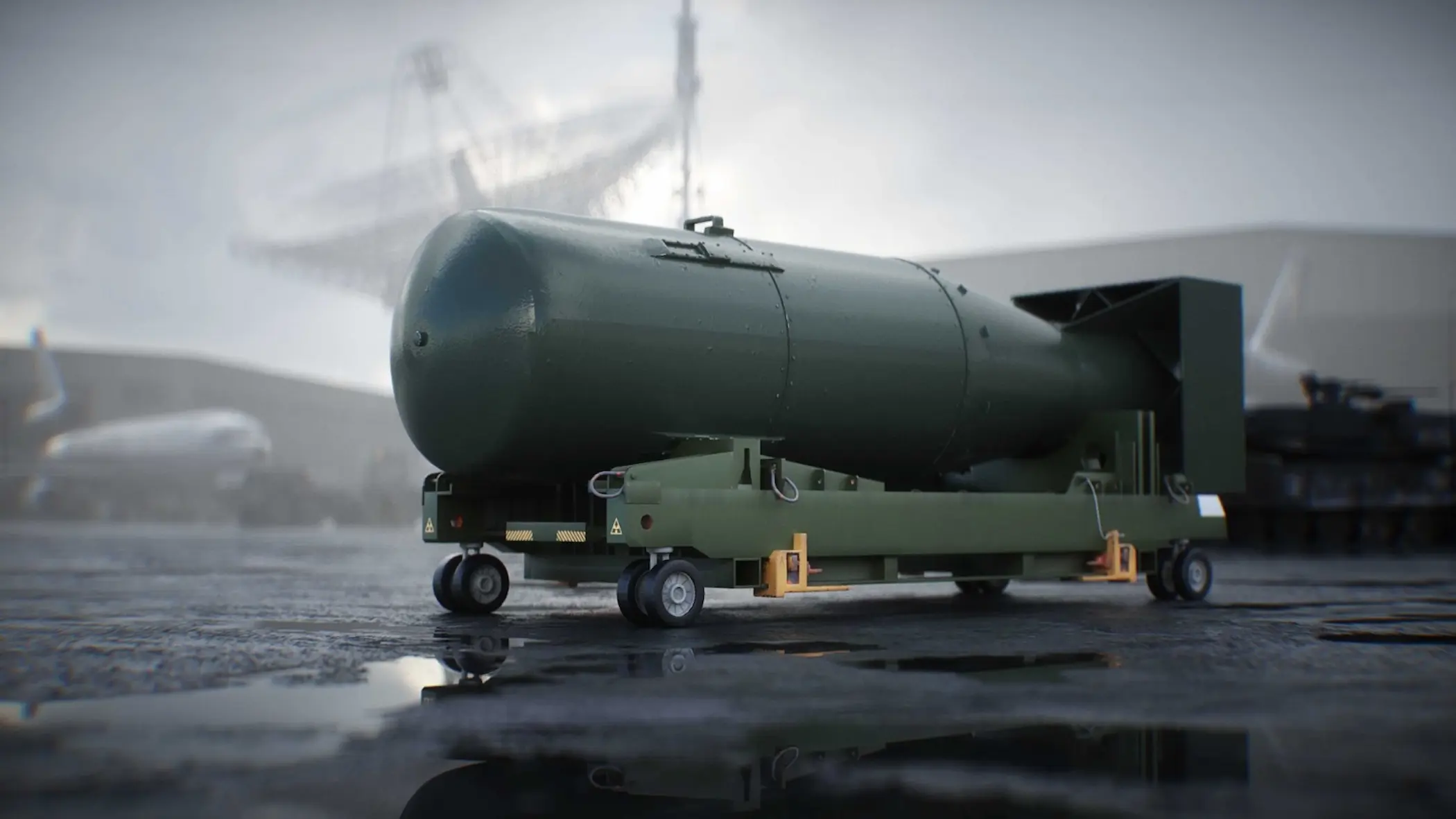
The global world order is based on a solid, yet fragile foundation. While it is solid for being intact for decades with systems and organisations built around it, its fragility stems from the inability to predict the reason that will one day blow it up. Nuclear weapons constitute a cornerstone in this world order; those who possess the fatal weapon, “the nuclear bomb,” among other capabilities, are the ones who dictate the rules of the game. What is important to ask now is: with the huge advancements in science taking place every day, will nuclear weapons become obsolete?
Scientists have discovered ways of genome editing by which cells negatively affected by ionized radiation can be detected, repaired, and even engineered to become immune to radiation entirely. This raises profound uncertainties about the future. If the destructive power of nuclear weapons can be neutralized at the biological level, the foundation of nuclear dominance may begin to erode. This leaves us facing a series of difficult questions. Would the traditional leverage of nuclear powers still hold? If weapons of mass destruction (WMD) lose their strategic value, will a new form of deterrence take shape, or will the very concept of deterrence fade? Who might emerge as the next global power, and by what tools or technologies will influence be asserted? And perhaps most importantly: would today’s nuclear states allow such a transformation, or resist it fiercely to preserve their status?
Programmes
30 Oct 2025
Embryo Futures: Life Without Eggs or Sperm
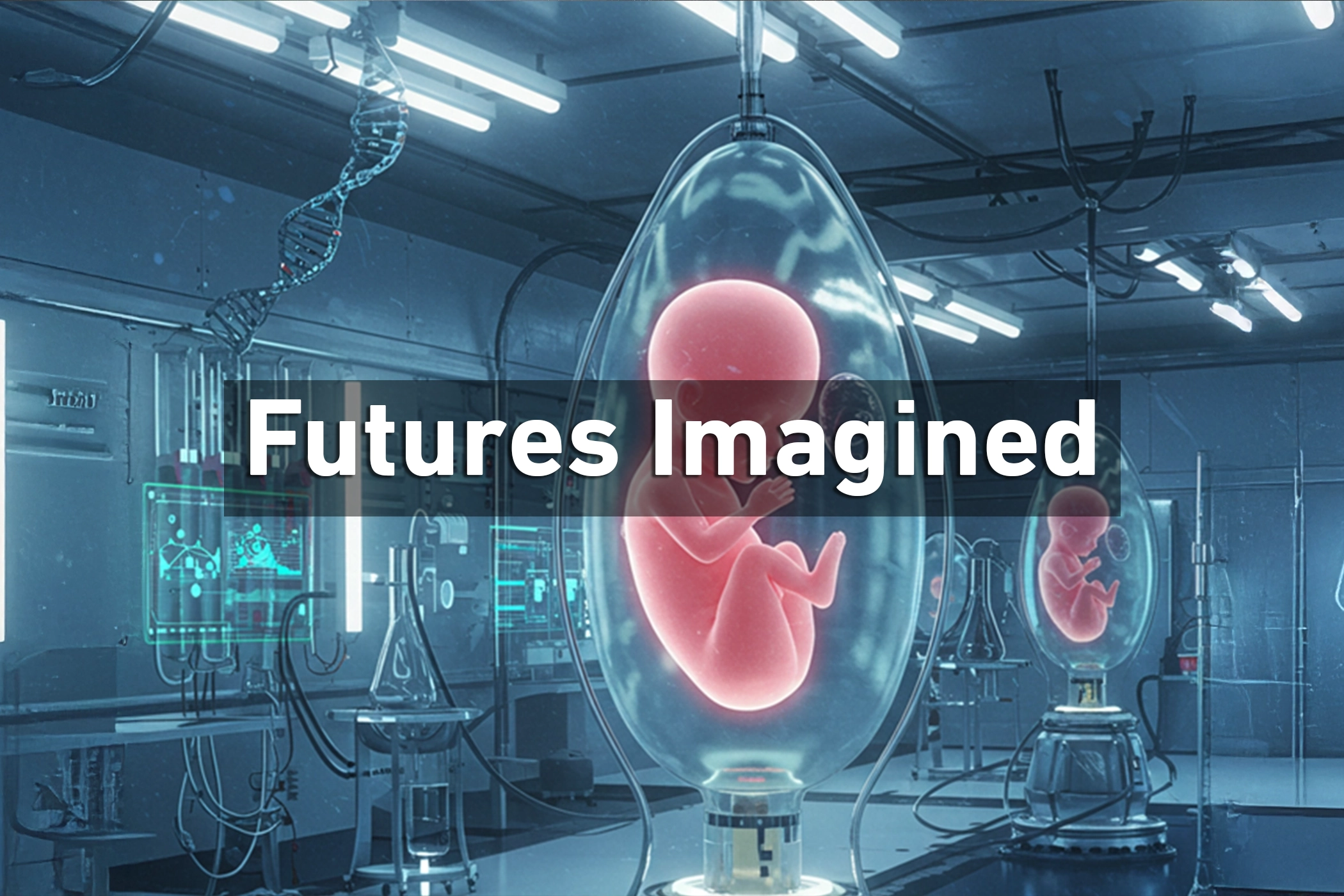
In a world where reproduction no longer requires bond, lineage, or even
parents, humanity has severed its oldest bond: the family. By 2070, governments no longer wait
for couples to conceive, they manufacture life in humming factories of glass and steel, raising
entire generations in artificial wombs. Children emerge without mothers or fathers, only the state
and its machines.
Embryo Futures: Life Without Eggs or Sperm, a story from AHRC’s Futures Imagined series,
envisions a tomorrow where population decline is met not with reform but with replacement. At
once a tale of survival and of loss, it asks what becomes of identity, belonging, and love when
society decides that human roots are optional.
Futures Imagined is a publication exploring emerging trends through imaginative forecasting. Rather than relying on strict methodologies, this piece invites AHRC writers to creatively narrate a possible future reality shaped by current developments.
Programmes
17 Oct 2025
Robotics, China, and MENA: The Battle for Industrial Sovereignty
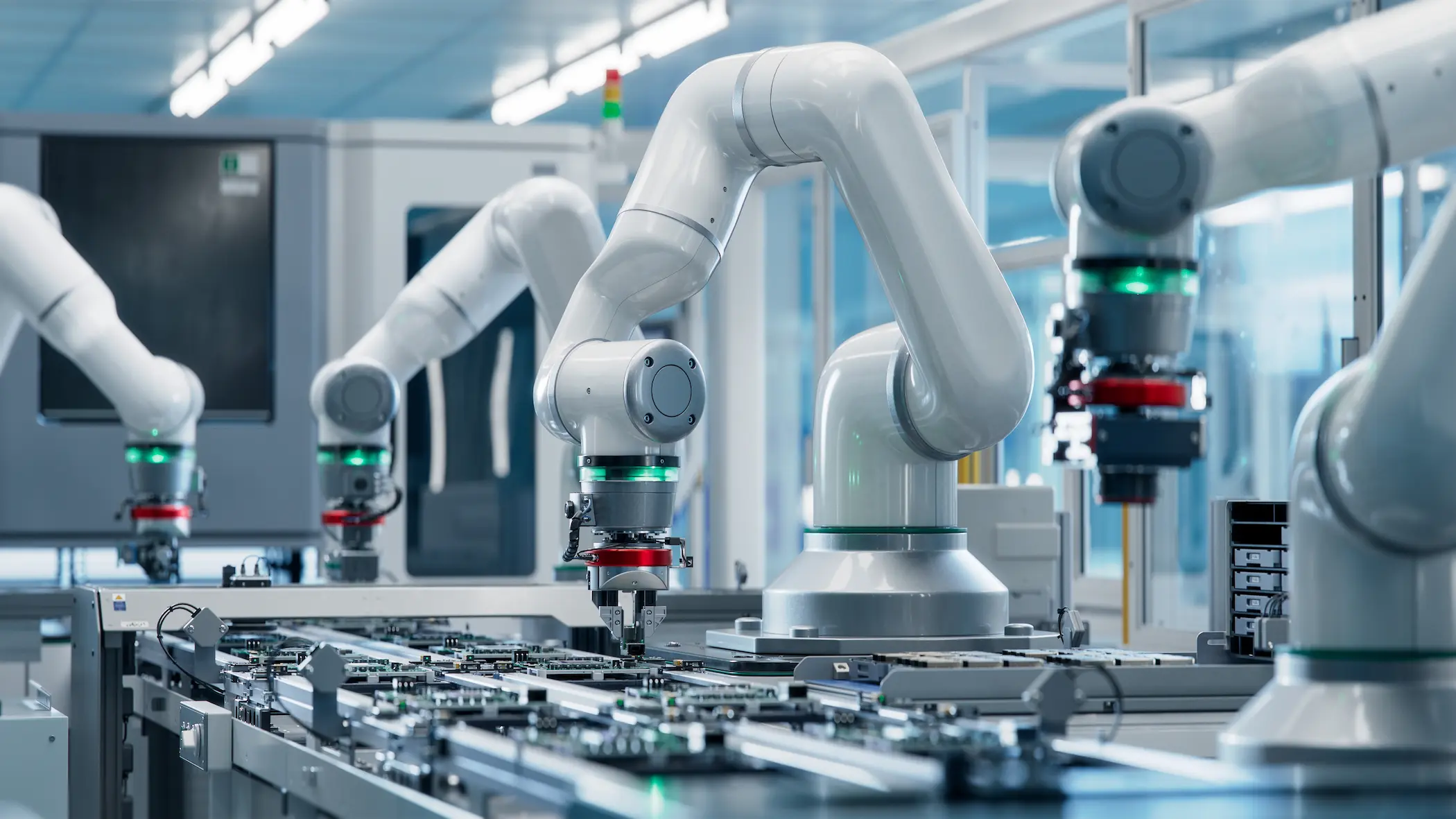
China’s robotics drive is no longer just a story of factories becoming more efficient but a story of a new industrial revolution. Each year, hundreds of thousands of new machines are deployed across its production lines, reshaping global supply chains and altering the balance of technological power. For the Middle East and North Africa, this shift raises questions that cannot be postponed. Automation is moving from the margins to the centre of economic strategy, and regions that fail to build capacity risk being locked into systems designed elsewhere.
The future of robotics in MENA is therefore not only about who installs machines the fastest, but about who sets the standards, who controls the data, and who determines the terms of industrial competition. The region’s next chapter will hinge on whether it becomes a maker of the technologies that define the century, or simply a consumer of them.