
Featured Publications

Strategic Estimates

Publications
8 Oct 2026
Opinion Polls: From a Mirror of Electoral Sentiment to an Instrument for Shaping It
Opinion polls influence the political environment they seek to measure. By shaping perceptions of electability, they affect voters’ choices, media attention, campaign funding and access to electoral competition. The paper examines how these interactions can transform polling from a means of observing electoral sentiment into an instrument for shaping it. Its central finding is that influence does not require fabricated figures: selective publication, concealed sponsorship and the presentation of uncertain forecasts as assured outcomes can turn genuine data into a misleading account of public opinion.
Evidence across several countries illustrates how this influence operates. In the 2018 US General Social Survey, 23.6% of respondents considered spending on ‘welfare’ insufficient, compared with 73.2% when the question referred to ‘assistance to the poor’, demonstrating the significance of wording. During the 2023 Republican presidential debates, the minimum polling threshold rose from 1% to 6%, illustrating how measured support can become a condition for gaining the visibility needed to attract further support. The paper also examines how electoral expectations affect financial markets, drawing on India’s 2024 election and the controversy surrounding privately commissioned polling during the Brexit referendum.
The consequences extend beyond inaccurate predictions. Favourable polling narratives can distort campaign decisions, concentrate resources and narrow the alternatives visible to voters, while disappointed expectations can be exploited to undermine confidence in elections. Artificial intelligence introduces further risks through fabricated responses and synthetic substitutes for human participants. Nevertheless, the paper distinguishes methodological error from deliberate deception and argues that effective safeguards must preserve independent polling. Disclosure of funding, questions, sampling methods and weighting assumptions, alongside responsible reporting and independent scrutiny, can help ensure that polls inform electoral choice without presenting the outcome as predetermined.
Publications
18 Jun 2026
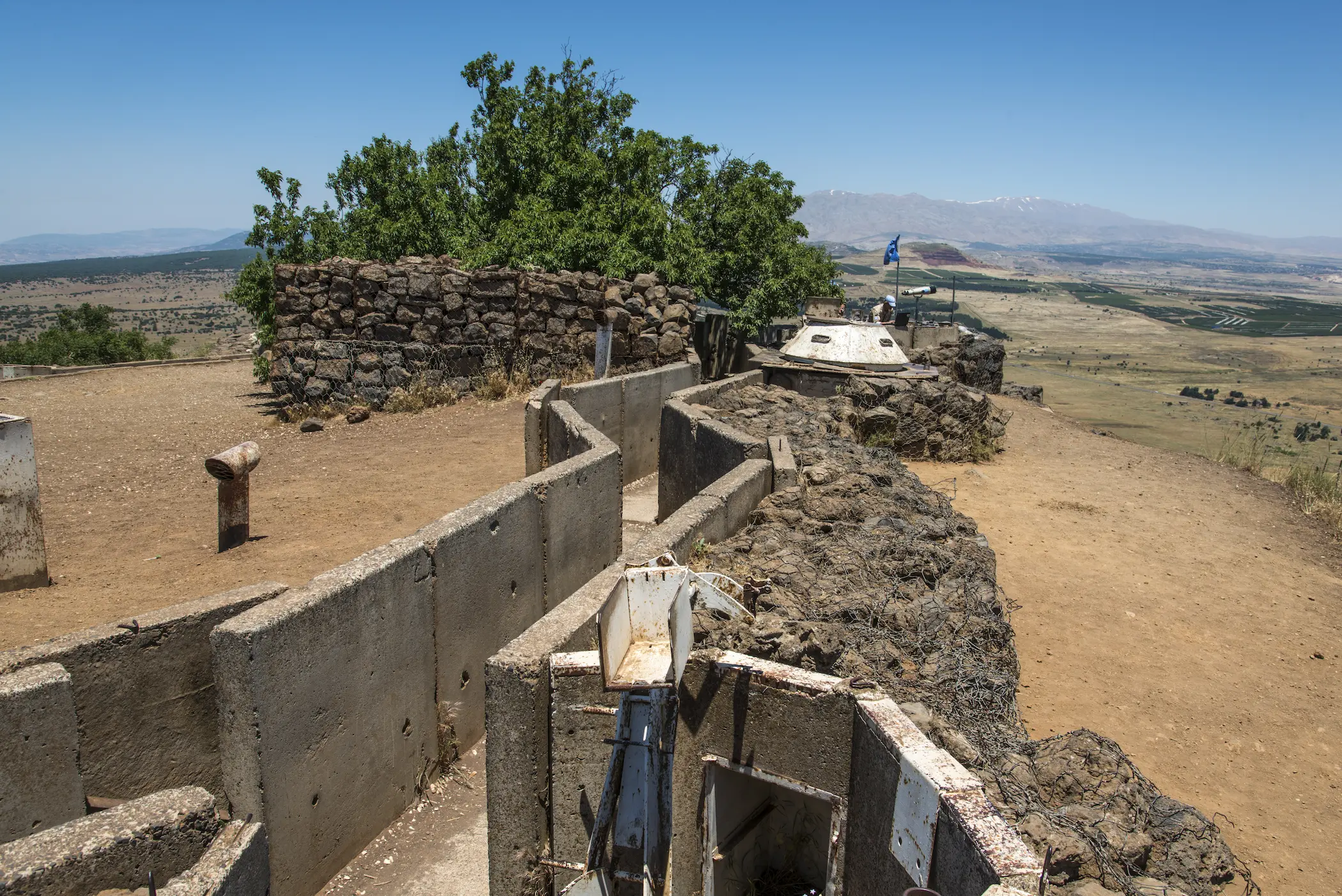
The Mirage of Safe Geography: How Buffer Zones Have Become a Military Liability for Israel
The Middle East has undergone profound shifts in its security and geopolitical landscape following the major events that began on 7 October 2023 and continued to unfold through 2026. At the heart of these shifts lies a fundamental transformation in Israeli military doctrine. For many years, Israel relied on rapid pre-emptive strikes and advanced technologies to sustain remote defence without requiring permanent control over new territory. However, the unprecedented breaches of its borders have fundamentally altered this strategy. Israel has now moved towards direct physical control over parts of Arab territory and has begun constructing a broad, contiguous belt of buffer zones extending from the Gaza Strip in the south and southern Lebanon in the north to the Syrian Golan Heights.
Historically, buffer zones were understood as demilitarised and relatively calm spaces designed to separate conflicting parties and prevent direct friction. Israel, however, has fundamentally redefined this concept, transforming such zones into instruments of absolute security control. Through this approach, it seeks to create fortified military spaces that provide strategic depth, eliminate cross-border threats and tunnels, and push the battlefield entirely away from its cities and population centres.
Despite the clarity of these objectives, this approach places Israeli military planners in a genuine dilemma. The permanent deployment of large infantry and armoured forces within hostile and volatile areas threatens to turn these belts—intended to serve as secure zones—into arenas of sustained and costly military attrition. Against this backdrop, this analysis raises a central and fundamental question: do these border strips constitute a genuine security buffer capable of ensuring Israel’s long-term survival and security, or have they already become a trap that steadily drains its capabilities day after day?

Publications
30 Mar 2026
What If: Iran Targeted Submarine Internet Cables in the Arabian Gulf?
The contemporary global economy is anchored in a tightly integrated digital and physical infrastructure, in which the continuity of international markets depends on an extensive network of submarine fibre-optic cables spanning approximately 1.3 million kilometres. This strategic architecture carries between 95 and 99% of intercontinental digital communications and constitutes the foundational layer for the settlement of daily financial transactions valued at roughly 10 trillion dollars. For decades, geopolitical analysis has prioritised the security of surface maritime corridors to safeguard the uninterrupted flow of conventional energy resources. Yet evolving realities indicate a decisive shift. The durability of the global economic system now hinges just as critically on protecting these submerged networks, which have emerged as indispensable arteries of global connectivity and financial stability.
This reality is especially visible in the Middle East, particularly across the Arabian Gulf, the Strait of Hormuz, the Arabian Sea, and the Red Sea, where the geographic corridors that govern trade flows and energy supply chains overlap with the main routes of global data transmission. The Strait of Hormuz, which is only 21 nautical miles wide, sits at the centre of this convergence. Around 21 million barrels of crude oil and one-third of global liquefied natural gas supplies pass through it each day. At the same time, 17 submarine cable systems run across its seabed, carrying nearly 30% of total international internet traffic. This intense concentration of physical and digital infrastructure within a narrow geographic space creates a severe security vulnerability. It exposes the global economy to systemic risks tied directly to regional instability.
These structural risks moved from theoretical assessment to operational reality with the outbreak of direct military confrontation in early 2026 between the United States and Israel on one side and Iran on the other, in what became known as Operation Epic Fury. These developments marked a fundamental shift in Iranian military doctrine. Faced with growing limits on its ability to disrupt surface energy flows through conventional means, Iran increasingly turned toward asymmetric threats. This shift is reflected in a move away from the traditional threat of closing maritime chokepoints to the deliberate targeting of submarine internet cable networks, using their disruption as a tool of deterrence and geopolitical pressure. It represents a calculated effort to exploit the physical vulnerabilities of civilian infrastructure to offset conventional power imbalances. In doing so, it introduces risks that extend well beyond the regional theatre and directly affect the foundations of the digital economy, in an era increasingly shaped by hybrid warfare and the militarisation of the maritime domain.
This emerging pattern of threat also creates what can be classified academically as a dual and simultaneous crisis. In such a scenario, the systematic disruption of submarine cables would paralyse global energy supply chains while simultaneously causing severe degradation across the digital infrastructure of the Middle East, South Asia, and Europe.
The immediate consequences would extend far beyond the loss of communications services for individuals. They would include major disruptions to electronic clearing systems that underpin sovereign wealth fund investments, as well as the paralysis of digital command-and-control centres operated by state-owned energy conglomerates. Such targeting would also disrupt military command-and-control networks and sever the communication channels needed to manage maritime navigation and to reroute vessels during crises. It would further undermine the artificial intelligence and cloud computing infrastructure on which many states in the region rely for their economic diversification strategies.
The plausibility of these threats is reinforced by recent material precedents that have exposed the infrastructure's real vulnerabilities. Most notable was the damage inflicted on Red Sea cable systems following the sinking of the Rubymar in 2024, followed by multiple line disruptions in the same region in September 2025. Together, these incidents underscore the fragility of these networks in the face of both accidental disruptions and deliberate acts of sabotage.
Building on these complex strategic and economic dynamics, this paper examines the implications of a large-scale attack targeting submarine communications infrastructure in the Arabian Gulf. It does so through a detailed assessment of the technical and military capabilities available to Iran to carry out physical sabotage operations beneath the seabed, alongside an analysis of the strategic motives driving this form of asymmetric escalation. By integrating recent historical precedents with updated data on regional and international levels of digital dependence, the paper seeks to assess the scale of the losses likely to result should such a scenario materialise.
Publications
9 Nov 2025
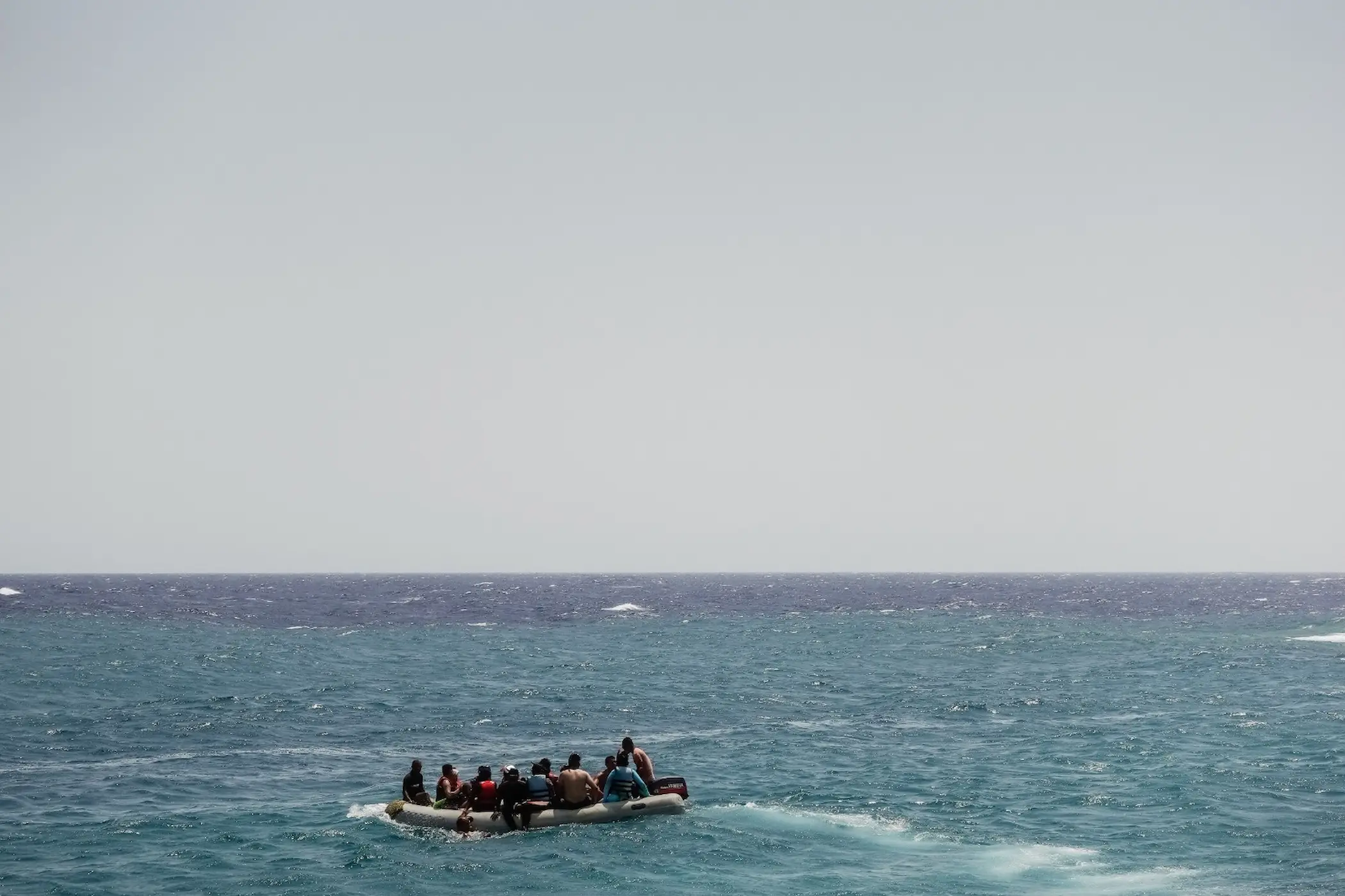
What If: Climate Migration Destabilises North Africa and Southern Europe?
Climate migration is becoming an increasingly pressing issue, imposing geopolitical and humanitarian challenges on countries that receive migrants at all stages. According to a report by the World Bank, climate migration is expected to force approximately 143 million people in the Global South to migrate by 2050. Natural disasters, including extreme heatwaves, droughts, insufficient crops, and flooding, have been imposing severe risks for many countries, particularly third-world countries. These countries are vulnerable to these risks due to their lack of services and financial distress, leaving most of the population living below the poverty line. Under these hardships, climate migration is spiking to northern countries where people seek better living conditions.
North Africa, geographically connecting the Global South to Europe, is a strategic transit location for migrants. While Southern Europe, linking migrants to the Global North, is an important entry point for those seeking better opportunity. Hence, the climate migration pressure on these regions creates conditions for destabilisation across both sides of the Mediterranean.
With the high wave of irregular migration, ‘Destination’ states, where migrants seek to settle in, often engage with the ‘Transit’ states, which are “any country through which a migrant passes after fleeing their country of origin, irrespective of their initial plans or actual actions within that country”, in what is called ‘migration diplomacy’. This strategy involves destination states offering visa incentives and investment opportunities in exchange for the transit state adopting containment measures for irregular migrants coming from their countries and strengthening control over the border. Likewise, destination countries foster economic and investment aid to ‘origin’ countries to tackle the root causes of the migration problem.
Although such diplomatic techniques could be successful sometimes, in many cases, they have been proven to be inadequate in many situations. As climate irregularities increase, climate-induced migration is expected to rise, and such methods have a high probability of their effectiveness diminishing completely, impelling destination countries to come up with other competent measures.
The evidence shows a high probability of devastating effects in both transit and entry states. For transit states, they might face more strain on their financial resources than what they currently incorporate, and at the same time, security threats could escalate. Regarding entry states, economic pressure, political tension, and intensified cultural polarisation might empower far-right parties, changing the structure of the European Union. So, climate migration could become a huge threat to the regional stability in both transit and entry states without effective and coordinated measures.
This paper explores the destabilising potential of climate-induced migration on transit North African states and Southern European entry states. It is divided into four sections: climate regression, effects on transit states, effects on entry states, and proposed solutions. The paper addresses the economic, political, and security implications, and suggest the necessity for tailored measures suitable for affected countries. The paper concludes that the continuous pace of climate migration will have destabilizing consequences on both transit and entry hubs. Besides resilience and early warning solutions, the EU has to provide attractive incentives for North Africa in order to limit the spill-overs on its borders. Such proposals shouldn’t be detached from the realities of African states and better align with the economic and security needs of these countries.
Periodicals
Publications
10 Jul 2025
Futurescapes Issue 3 – Noah’s Ark Reimagined: Decoding Tomorrow’s Crises
In an era marked by rapid transformations and mounting threats, it is no longer sufficient to merely bear witness to disasters after they unfold. The imperative now is to cultivate anticipatory vision and to act decisively before the alarm is sounded. It is against this backdrop that the Al Habtoor Research Centre presents this edition of Futurescapes, titled Noah’s Ark, as both an early warning signal and a call for preparedness before time runs out.
The choice of the title Noah’s Ark is far from arbitrary. Just as the ark once symbolised salvation amid an all-encompassing flood, this publication aspires to serve as a vessel of knowledge—an intellectual ark—that carries within it an early awareness of looming risks and a strategic foresight capable of confronting them and adapting accordingly. This edition is a deliberate effort to transcend reactive responses and instead foster a proactive culture rooted in anticipatory planning and resilience-building.
This work forms part of a broader series of periodic reports issued by the Al Habtoor Research Centre, an independent Arab think tank committed to a forward-looking approach. The Centre places strategic emphasis on early warning mechanisms and the anticipation of major threats that may affect the Arab world—whether stemming from natural phenomena, political and technological developments, or the evolving dynamics of regional and global conflict.
In this issue, we undertake an unconventional intellectual journey, wherein we shed light on categories of threats that have not received sufficient attention from think tanks across the Arab world, despite the fact that they carry genuine existential risks. Our analysis does not confine itself to the commonly addressed domains of security and political threats; rather, it ventures further to explore issues that rarely find their way onto the Arab research agenda.
Among these are volcanic eruptions, asteroids, solar storms, and threats emerging from outer space—phenomena that could pose serious dangers to life on Earth in general, and to the Arab region in particular. We also examine nuclear risks, whether arising from warfare, radioactive leakage incidents, or potential scenarios involving cyberattacks on nuclear facilities.
Moreover, this issue addresses pandemics and global outbreaks—not solely from the perspective of disease transmission, but in terms of their structural impacts on economies and societies, as well as their linkages to transformations in the global order.
This publication does not claim to possess definitive answers; rather, it aspires to serve as a first step toward cultivating a collective awareness that is more attuned to risk and more capable of strategic preparedness. Knowledge, when acquired early, becomes a form of power. And foresight, when exercised with precision, becomes a tool for salvation.
We present this work at a critical juncture, with the hope that it will contribute to opening new windows for dialogue and planning and that it may serve as an entry point for broader Arab cooperation in the realms of risk monitoring and the development of effective early warning systems.
The information presented in this publication reflects the situation as of May 2025. Please note that developments may occur rapidly, which could render some of the details outdated or no longer current since that date.

Publications
9 Jul 2024
Futurescapes Issue 2 – MENA at a Crossroads: Unveiling Looming Risks
At this pivotal juncture, the MENA region stands at a critical crossroads. The region is experiencing a decisive moment that will shape the future dynamics of inter-country relations and regional security, which has faced significant threats in recent years. This publication, prepared by a team of experienced researchers at the renowned Al Habtoor Research Centre, endeavours to forecast the Middle East's impending challenges. It aims to delineate the region's comprehensive political, economic, and security landscape over the past years.
Through a series of incisive analyses, we address the geo-economic challenges and their profound impact on the future of the Middle East and North Africa. These analyses are situated within the context of the sweeping transformations occurring in the global system, a system characterised by economic conflicts that both influence and are influenced by ongoing security and military escalations. These conflicts have altered the global power map and are anticipated to significantly reshape the current world order, making our research all the more pertinent.
Moreover, we examine the risks engendered by the prevailing state of uncertainty, which threatens nations' economic prospects and disrupts critical and vital trade corridors and routes such as the Suez Canal, Bab El Mandab, and the Strait of Hormuz. These corridors are indispensable to global energy security and international trade. The manifestation of these threats is evident in the tensions and conflicts we have observed in the Red Sea, which have heightened fears of potential disruptions escalating into broader military confrontations.
The publication further delves into the new frontiers of warfare, particularly the transformations imposed by cyberspace on the nature and strategies of conflicts. These changes have redefined armament and deterrence methods, yet the region remains significantly unprepared for these evolving threats. At a time when the Middle East is increasingly becoming an attractive target for cyber-attacks and unconventional warfare, there is an urgent and pressing need to enhance preparedness for such confrontations.
In the region’s prevailing instability and escalating political and security tensions, which have precipitated severe humanitarian crises, the migration challenge has surfaced as a critical determinant of the region’s future. Prominent among these tensions are the civil war in Sudan, the ongoing instability in Lebanon, and the conflict in Gaza. Additionally, the continuous deterioration of internal situations in Syria, Libya, Iraq, and Yemen has posed significant challenges for neighbouring countries. These conflicts have profoundly affected migration dynamics in the region, resulting in substantial security and political ramifications that are expected to unfold in the coming period. The migration issues also present vulnerabilities and potential entry points for external agendas to influence aid-receiving nations.
In this context, the region's climate change challenges also invite external actors to impose their agendas. These actors often condition their support and assistance for addressing climate change on political and security changes, thereby imposing different priorities on the region's countries and threatening its stability.
Ultimately, this publication represents the culmination of extensive brainstorming and research conducted over an extended period by our dedicated team alongside numerous experts and specialists. Our goal has been to produce a structured forecast for the future of a region mired in chaos, which inherently complicates the creation of definitive predictive models for the coming years. At Al Habtoor Research Centre, we are committed to illuminating the often-overlooked areas, especially those pertaining to anticipated crises and potential risks. This publication is part of a series of research outputs aimed at contributing to a more stable and prosperous future for a region beset by threats.

Publications
9 Sep 2023
Futurescapes Issue 1 – The AI Revolution: A New World Order
Amidst the intricate tapestry of our contemporary world, we find ourselves living in a “world of risks” and existential threats that are escalating faster than our capacity for response and remedy. As a result of our tendency to fixate on addressing the ever-growing number of issues that our societies face, we often neglect the importance of envisioning future risks and their potential consequences for human survival and growth.
The significance of future studies and early warning systems transcends the mere scope of risk mitigation and preparedness. It encompasses an ethical obligation to the forthcoming generations an obligation to plant the seeds for a future we ourselves may not see, but one we bestow as an enduring legacy. This form of responsibility, some may even say “altruism”, manifests clearly in the work of those who are dedicated to this field of research. As we recognise the pitfalls of short-sightedness, especially in recent years where questions about the future are infinite, we also acknowledge this as an opportunity to study and improve our approach to the future.
In this inaugural issue of Futurescapes, Al Habtoor Research Centre unveils a meticulously crafted “early warning” on the looming spectre of misusing artificial intelligence capabilities. Within the pages of this publication, we have committed our unwavering focus to confront this critical turning point spurred by expanding technological capacities and the potential relinquishment of human control over these very capacities. In an era where scientists and scholars are impelled to develop AI systems that transcend their conventional roles of aiding and empowering humanity, a growing unease takes root: the potential for these systems to transcend their limitations and penetrate the intricate realms of emotion and distinctly human tasks. Thus, an alternate trajectory unfurls — one that goes beyond traditional automation, aspiring to metamorphose humans into remotely guided automatons.
Within the pages of this issue, we delve into the transformation of robots into entities evocative of human traits and the simultaneous mechanisation of human functions. Furthermore, we explore other pivotal themes, venturing into uncharted landscapes and unconventional dimensions to imagine different potential futures in the new era of AI.
Special Editions
Publications
18 Sep 2026
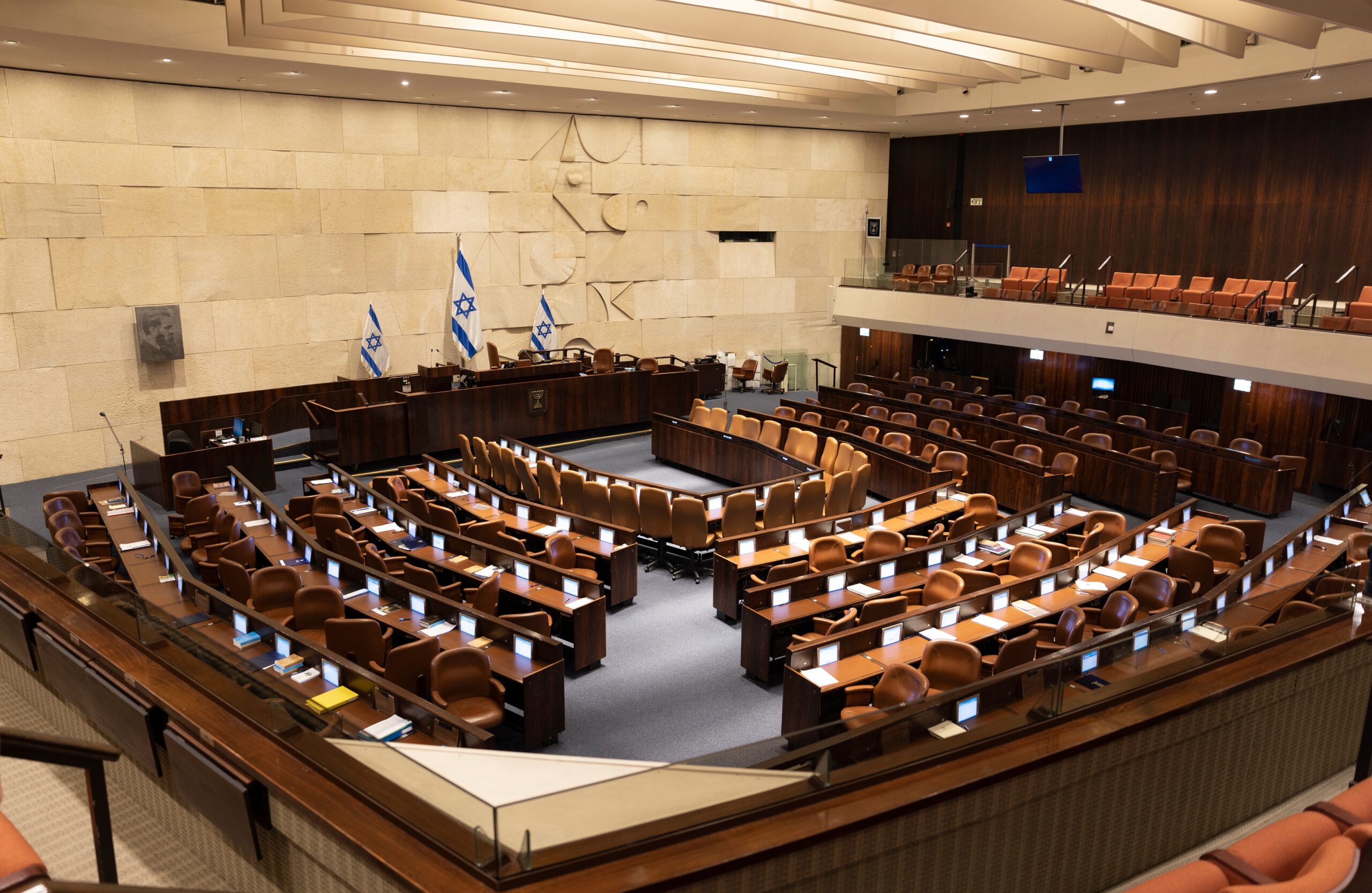
Fragmented by Design Israel’s October 2026 Election and the Politics of Coalition
Israel’s 27 October 2026 election is shaping into a contest defined less by a clear ideological choice than by fragmentation, coalition arithmetic, and unresolved national crises. Held in the aftermath of the 7 October 2023 attack, prolonged multi-front conflict, and an unfinished confrontation over the judiciary, the vote will determine not only who governs but also how Israel addresses accountability, military service, state institutions, Gaza’s future, the Palestinian issue, and relations with Washington.
Neither Benjamin Netanyahu’s right-wing bloc nor the opposition led by Gadi Eisenkot appears consistently capable of securing the 61 Knesset seats needed to form a government. The outcome is especially sensitive to smaller parties hovering around the 3.25% electoral threshold: whether these lists enter the Knesset or waste their votes could shift several seats between the rival camps. Arab parties, projected to hold roughly 11–14 seats in several polls, may become decisive coalition actors even as both major blocs remain politically reluctant to openly rely on their support.
Netanyahu’s campaign rests on five interlocking principles: shifting responsibility for 7 October toward the military and intelligence institutions while claiming credit for subsequent security achievements; consolidating right-wing lists to prevent wasted votes; portraying an Arab-supported alternative government as illegitimate; postponing divisive issues such as Haredi conscription and post-war Gaza governance; and turning institutional reforms, media influence, and ties with Washington into electoral assets. The central objective is not necessarily to resolve these contradictions before election day but to keep them from breaking apart his coalition.
Eisenkot’s opposition camp has a credible shared objective—removing Netanyahu and restoring institutional accountability—but remains less unified on the policies that would follow. Its internal divisions are most visible over universal service, religion and state, relations with Haredi parties, the role of Arab parties, and the West Bank. The likely post-election challenge for either side will be translating deliberately vague campaign positions into binding coalition commitments.
The most plausible result is therefore a fragmented Knesset without a stable governing majority. The decisive political struggle may begin after ballots are counted, when both blocs must confront the compromises, they have deferred throughout the campaign.

Publications
15 Sep 2026
The Cost of Transformation: State, Economy, and Society in Trump’s Second Term
The US economy experienced a rapid macroeconomic shift marked by rising prices and slowing growth following the implementation of a 27% weighted average applied tariff rate. This policy shift triggered stagflationary indicators by mid-2026, with real GDP growth decelerating to 1.5% in the second quarter and inflation rising to an annualized 5.1%. Concurrently, monthly job creation plummeted from an average of 125,100 in 2025 to a forecasted 34,600 to 55,200 in 2026. The trade environment also underwent structural changes, most notably in agriculture, where the United States permanently lost 7.94 percentage points of the Chinese agricultural import market, largely replaced by Brazil.
At the sectoral level, agriculture and manufacturing saw divergent outcomes that masked deeper financial vulnerabilities. The agricultural sector transitioned heavily from market-earned income to federal transfers, with government direct payments surging to $44.3 billion in 2026, comprising roughly 25% to 30% of total net farm income. Despite these government bailouts, total farm sector debt reached a record $624.7 billion, accompanied by rising family farm bankruptcies. Meanwhile, the manufacturing sector saw a modest 1.93% increase in its industrial production index between March 2025 and July 2026, yet manufacturing employment actually contracted by 0.43% during the exact same period.
The long-term fiscal trajectory of the United States points toward unprecedented debt levels, driven by simultaneous revenue constraints and expanded deficit spending. Recent tax legislation is projected to add $4.7 trillion to the national deficit over a decade. Consequently, federal debt held by the public is projected to eclipse the historic 1946 World War II peak of 106%, reaching 108% of GDP by 2030 and climbing to 175% by 2056. Over this extended horizon, net interest payments are forecast to become the largest single line item in the federal budget, while the United States' projected share of global output on a purchasing-power basis declines from 20.42% to 13.88%.
This publication was written in August 2026
Publications
14 Sep 2026
Shadow Leverage Issue 4: Iran’s Nuclear Programme
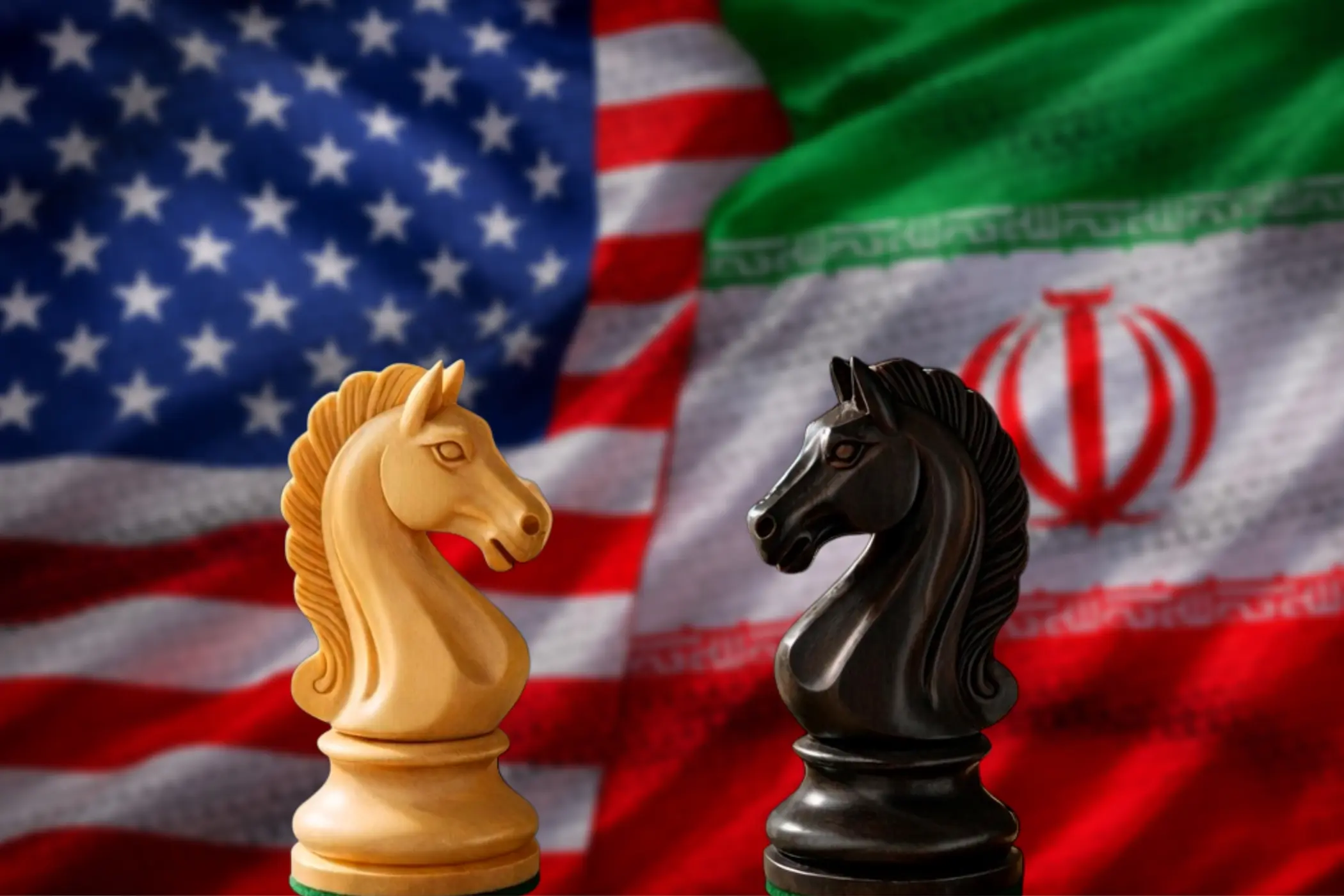
The Memorandum of Understanding did not constitute a comprehensive or definitive settlement of the nuclear issue. Rather, it served as a temporary truce to freeze military strikes and maritime and nuclear threats, buying time to negotiate a comprehensive agreement that would address the enrichment crisis at its roots. These developments come in the wake of the collapse of the 2015 nuclear agreement following the United States' withdrawal in 2018, which gave Tehran considerable room to expand uranium enrichment, restrict international inspections and accumulate large quantities of uranium enriched to levels approaching those required for the production of a nuclear weapon.
Against this backdrop, the nuclear programme stands out as the Iranian leadership's principal bargaining chip. Although Tehran does not currently possess a nuclear weapon, it has accumulated the technical expertise, established the necessary infrastructure and secured the enriched uranium needed to produce one within a relatively short period should the political decision be taken to do so. This reality underscores that Iran's leverage at the negotiating table is no longer merely theoretical. It is tangible leverage, rooted in Tehran's ability to move rapidly towards weaponisation.
On the operational front, despite US and Israeli strikes targeting nuclear facilities inside Iran, assessments have confirmed only limited damage. Tehran is still strongly believed to retain substantial capacity to continue uranium enrichment. However, experts remain divided over the true extent to which the attacks have set back its nuclear programme. These assessments indicate that military action alone has failed to resolve the nuclear issue, naturally increasing the likelihood of an eventual resumption of negotiations and a return to the diplomatic track.
Against this complex backdrop, a fundamental question remains: will the terms governing the nuclear issue be revised in any future memorandum, or will they remain unchanged from those set out in the "Islamabad Memorandum"? If the parties move towards introducing new amendments, how far can each side go in making concessions to negotiate an end to this chapter?
Publications
11 Sep 2026
Are Ports More Important Than Capitals?
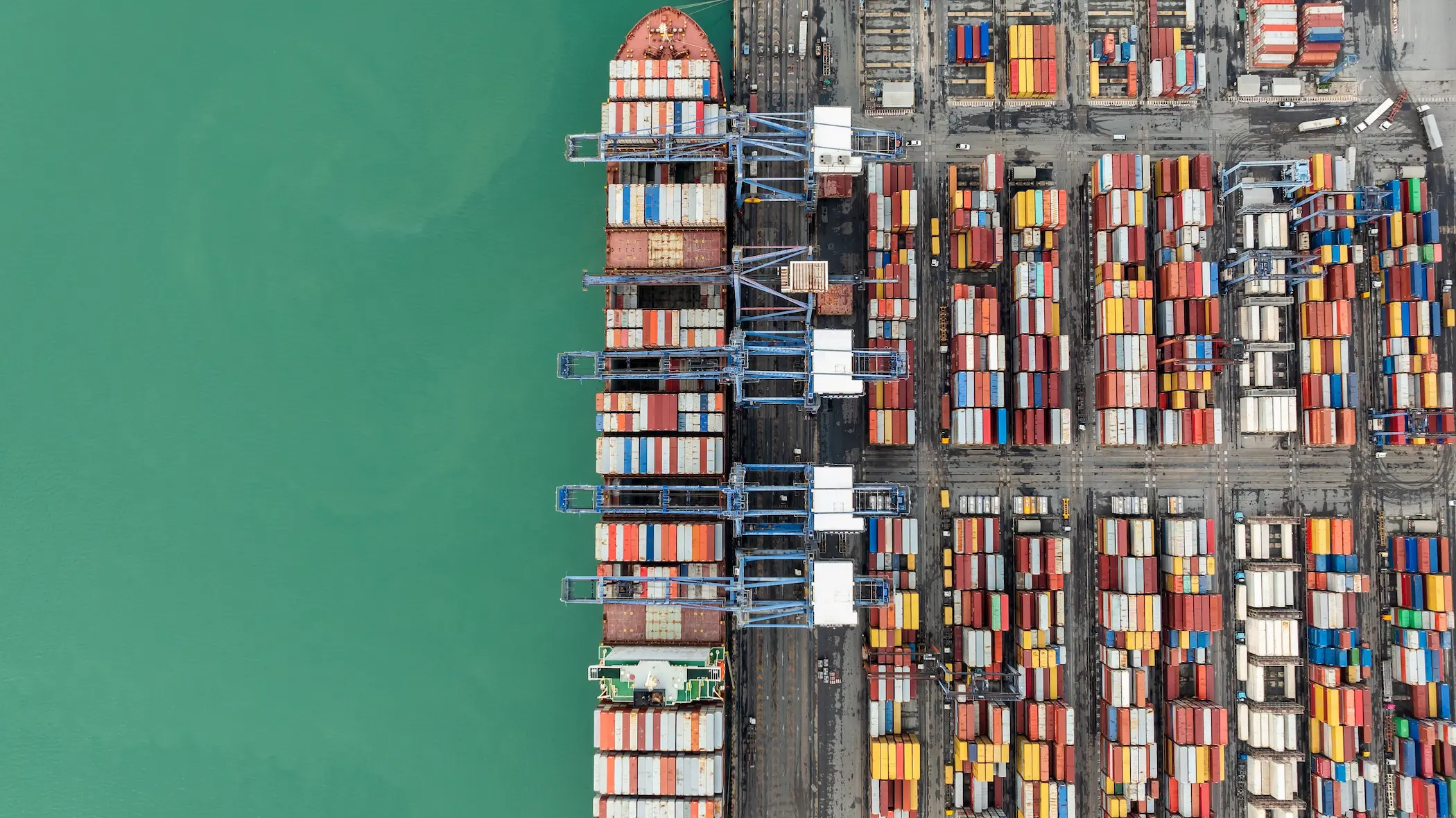
While political capitals retain legal and sovereign authority, seaports have emerged as the "functional capitals" of the modern state. These maritime nodes are where sovereign decisions are translated into material reality, controlling the flow of energy, food, industrial inputs, and data. With 80% of global trade volume and 70% of its value moving by sea, the disruption of a major port can rapidly paralysise a nation's economy and military logistics, demonstrating that port power is highly consequential and systemic.
Port power is relational, depending on factors like geographic position, network centrality, industrial depth, and digital architecture. The global port network is highly concentrated, with less than 5% of ports handling half of the global maritime trade, creating a paradox where extreme efficiency leads to profound systemic vulnerabilities. This concentration makes ports susceptible not only to physical blockades or congestion but also to cyberattacks and climate change, necessitating robust resilience strategies.
Furthermore, foreign investment in port infrastructure carries significant geopolitical implications, moving beyond simplistic narratives of "debt-trap diplomacy". Long-term concessions and operational control can create strategic dependencies, even without outright asset confiscation. Additionally, modern ports possess a dual-use nature, where commercial facilities can provide latent military option value, blurring the lines between economic integration and naval expansion. Ultimately, true national power lies in the effective integration of the political capital's authority with the strategic port's physical capabilities.
This publication was written in August 2026