
Publications
30 Jun 2026
The Direct and Indirect Cost of the 2026 US-Israel War on Iran
The Al Habtoor Research Centre (AHRC) presents a groundbreaking, equation-based assessment analysing the direct and indirect social and economic resource costs of the 110-day conflict that began on February 28, 2026. Utilising an advanced conflict economics framework—including the Stiglitz-Bilmes convention and counterfactual synthetic controls—this research delivers an unprecedented, exclusive analysis of the financial burdens borne by the belligerents and the wider global economy. The headline finding is one of profound asymmetry, proving that recovery capacity, rather than the size of the initial kinetic blow, dictates the medium-term cost of modern warfare. The largest financial burden fell on the global economy, specifically non-belligerent, bystander oil-importing nations, totalling an estimated $1.41 trillion by 2030. Triggered by the 110-day closure of the Strait of Hormuz, this true burden lies in unproduced global output rather than the temporary oil-price spike, which ultimately nets to zero globally. Among the combatants, Iran absorbed an existential, structural blow equivalent to roughly 81% of its pre-war output, costing $305 billion by 2030, or $720 billion on a purchasing-power parity (PPP) basis. Locked out of international capital markets, its output gap fails to close by the end of the decade, triggering a step down to a permanently lower economic path. In contrast, the United States faces a heavily back-loaded bill ranging from $200 billion to $1.1 trillion by 2030. While structurally insulated from the immediate oil shock due to its net energy exporter status, this massive range in projections depends on whether standard cash-budgeting or full multi-decade liabilities—such as veteran care, war-debt interest, and budget ratchets—are present-valued. Meanwhile, Israel sustained a sharp but recoverable macroeconomic shock of $135 billion by 2030, equal to roughly a quarter of a single year's GDP. Advanced air defense mitigated physical destruction, concentrating the cost instead on reserve mobilisation, interception economics, and a transient output gap. Ultimately, this exclusive analysis details how the poorest bystander nations subsidised the conflict's macro cost, marking the 2026 war as one of the most economically disruptive events of the century.
Publications
29 Jun 2026
Europe 2040: Today, Tomorrow, and the Day After
Europe in 2026 stands at an inflection point. The convergence of six structural crises — economic divergence, technological dependence, strategic vulnerability, institutional paralysis, demographic decline, and energy insecurity — means that the trajectory of the continent over the next fifteen years is genuinely uncertain. There is no default path. The future will be made by a series of choices, shocks, and compounding interactions that no single actor fully controls.
Yet uncertainty should not be understood as decline. Rather, it reflects the fact that Europe is entering a period in which multiple futures remain possible. The decisions taken today by governments, institutions, businesses, and societies will determine whether Europe emerges stronger, more fragmented, more autonomous, or increasingly dependent on external powers. In many ways, Europe is being asked to redefine itself at a time when the rules that shaped the post-Cold War era are rapidly being rewritten. This study adopts a scenario-led approach to explore how Europe may evolve by 2040. Instead of attempting to decide on a single future, it examines several plausible pathways that could emerge from the interaction of political, economic, technological, demographic, and geopolitical forces. The scenarios presented in the first chapter are not forecasts; they are tools designed to challenge assumptions, identify risks, and illuminate opportunities.
Building upon these scenarios, the subsequent chapters examine the key drivers that are expected to shape Europe's future, including economic competitiveness, technological sovereignty, energy security, demographic transformations, geopolitical shifts, defence and strategic autonomy, and the evolution of Europe's role in an increasingly multipolar international system. Together, these chapters seek to answer a broader question: not simply what Europe's future will look like, but what kind of Europe will emerge from the choices being made today.
Ultimately, this study is built around a simple premise: Europe's future is not predetermined. It will be negotiated, contested, and continuously reshaped by events both within and beyond its borders. The continent's greatest challenge over the coming years may therefore be learning how to navigate uncertainty itself.

Publications
4 Jun 2026
The Illusion Economy: Who Really Wins from Online Gambling?
The online gambling industry has evolved from a niche entertainment sector into a global digital ecosystem valued at more than $120 billion, emerging as a critical structural vulnerability within the global financial system. Organised crime syndicates and state-backed hostile actors exploit this ecosystem for money laundering, terrorist financing, and sanctions evasion. The enormous volume of transactions processed through digital casinos, online sports betting platforms, and prediction markets provides an ideal layer of financial opacity.
State-sponsored cyber groups, particularly those linked to North Korea and China, also leverage the sector to generate strategic revenue used to finance sanctioned weapons programmes and collect intelligence through the compromise of sensitive databases containing millions of personal, financial, and biometric records.
Globally, regulatory frameworks governing online gambling remain highly fragmented. Europe has adopted stringent licensing and compliance regimes, while many countries across the Middle East maintain outright prohibitions. This divergence has created regulatory grey zones exploited by offshore operators registered in tax havens such as Malta, Curaçao, and Gibraltar to target restricted markets.
Meanwhile, the Asia-Pacific region faces acute security challenges as transnational organised crime groups control extensive networks of virtual casinos and shadow-banking channels that move billions of dollars through cryptocurrency-based transactions. These parallel financial infrastructures operate across multiple jurisdictions, complicating enforcement efforts and creating new pathways for illicit capital movement.
The implications of this sector extend well beyond financial crime. Online gambling has generated serious social risks, including rising rates of personal bankruptcy and gambling addiction, particularly among minors exposed to gambling-like mechanisms embedded in loot boxes and esports ecosystems. Furthermore, the outflow of foreign currency through offshore gambling platforms contributes to macroeconomic instability in emerging economies while expanding the informal economy, which is estimated to account for between 11% and 20% of global GDP.
Publications
4 Jun 2026
The Arabness of Hormuz Strait: The Name, the Land, and the People
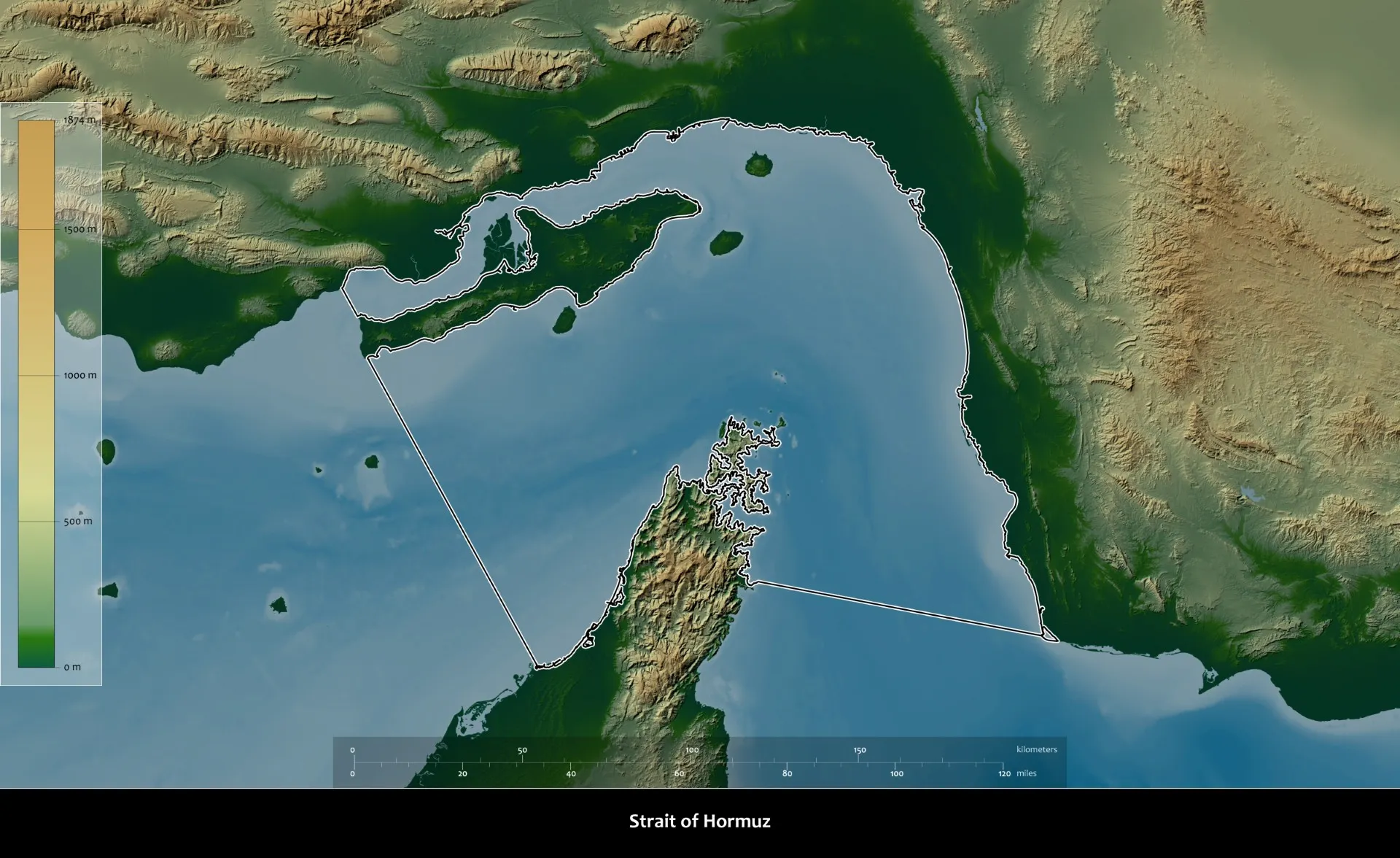
The Strait of Hormuz is, in the modern imagination, an energy chokepoint through which roughly a fifth of global petroleum and a comparable share of liquefied natural gas transit. Yet this narrow waterway carries a far older and more contested significance, one bearing directly on questions of identity, sovereignty, and historical legitimacy in the Arabian Gulf.1 This study addresses three questions and resolves each on the basis of the documentary and archaeological record.
First, it traces the origin of the name “Hormuz”, surveying the principal etymological theories, subjecting each to critical scrutiny, and arriving at a reasoned synthesis. Second, it reconstructs the history of the Arab population on both shores of the Strait, marshalling demographic and documentary evidence to show that the enduring human substrate of the region was Arab throughout recorded history, while Persian authority was characteristically a governing superstructure rather than a settled population. Third, it situates the Battle of Chains and the defeat of the Sasanian commander Hormuz in its correct chronological place within that continuum and corrects the popular but mistaken belief that the Strait was named after him.
The central finding is that the Strait of Hormuz, far from being a frontier dividing an Arab world from a Persian one, functioned for five millennia as a connective maritime highway whose permanent population was overwhelmingly Arab in character, even during the long intervals in which a Persian imperial umbrella claimed nominal sovereignty over its northern littoral.

Publications
15 May 2026
Hantavirus: Contained Threat or Emerging Pandemic?
On May 2, 2026, a cruise ship in the Atlantic Ocean reported the outbreak of Andes virus, a type of Hantavirus that already existed in the Americas and Europe. Casualties, symptoms, and the spread of the virus renewed global attention surrounding it while bringing back the memories of the initial outbreak of COVID-19.
Since then, it has been linked to how COVID-19 is transmitted between humans, leading to the spread of the pandemic. However, evidence suggests human-to-human transmission is different in both cases; the SARS-CoV-2 virus was transmitted to an average of two or more people within populations that had not previously been exposed. As for the Andes virus, the transmission on the ship happened under very specific conditions of human-to human interaction: the presence of symptomatic individuals in crowded, poorly ventilated spaces with direct and continuous contact. Some experts from the World Health Organisation (WHO) note that the current Hantavirus outbreak on the cruise ship doesn’t qualify as the next “COVID-19” pandemic. Although it signals risks for affected people, it replicates slowly, spreads mainly through close contact, and appears to be most effective when symptoms appear. Nevertheless, other experts warn about the implications of the outbreak of the virus, citing its fatal symptoms and its shift in its traditional method of transmission. This raises a crucial question about whether Hantavirus can realistically become a pandemic.
This paper examines the potential for Hantavirus to evolve into a global pandemic threat by assessing its biological characteristics, transmission patterns, mortality rates, as well as its current global situation, including geographic distribution. It also assesses whether Hantavirus meets the established criteria for a pandemic, including sustained human-to human transmission, international spread potential, asymptomatic transmission, urban transmission, and containment challenges. In addition, the paper explores potential future trajectories for Hantavirus outbreaks by analysing scenarios ranging from continued local outbreaks to expanded regional transmission, as well as the low-probability but potentially high-impact pandemic driven by mutations. The report also addresses policy implications, early warning indicators, and lessons learned from the COVID-19 pandemic to assess gaps in preparedness and response capacity.
Methodologically, this paper adopts both qualitative and quantitative approaches that rely primarily on primary data/numbers and secondary sources. It draws on reports and data from international health organizations, such as the WHO, statistical facts, along with peer-reviewed academic literature, epidemiological studies, and expert analyses. The study also employs a comparative analysis of Hantavirus and COVID-19 to identify similarities and differences in defined indicators, such as transmissibility, mortality rates, and pandemic capability. Furthermore, the paper utilises scenario-building and risk assessment methods to evaluate potential future outbreak trajectories and preparedness indicators as well as challenges.
Publications
20 Apr 2026
War and Politics Dynamics: How the Israel–Iran War Is Reshaping the 2026 Knesset Elections
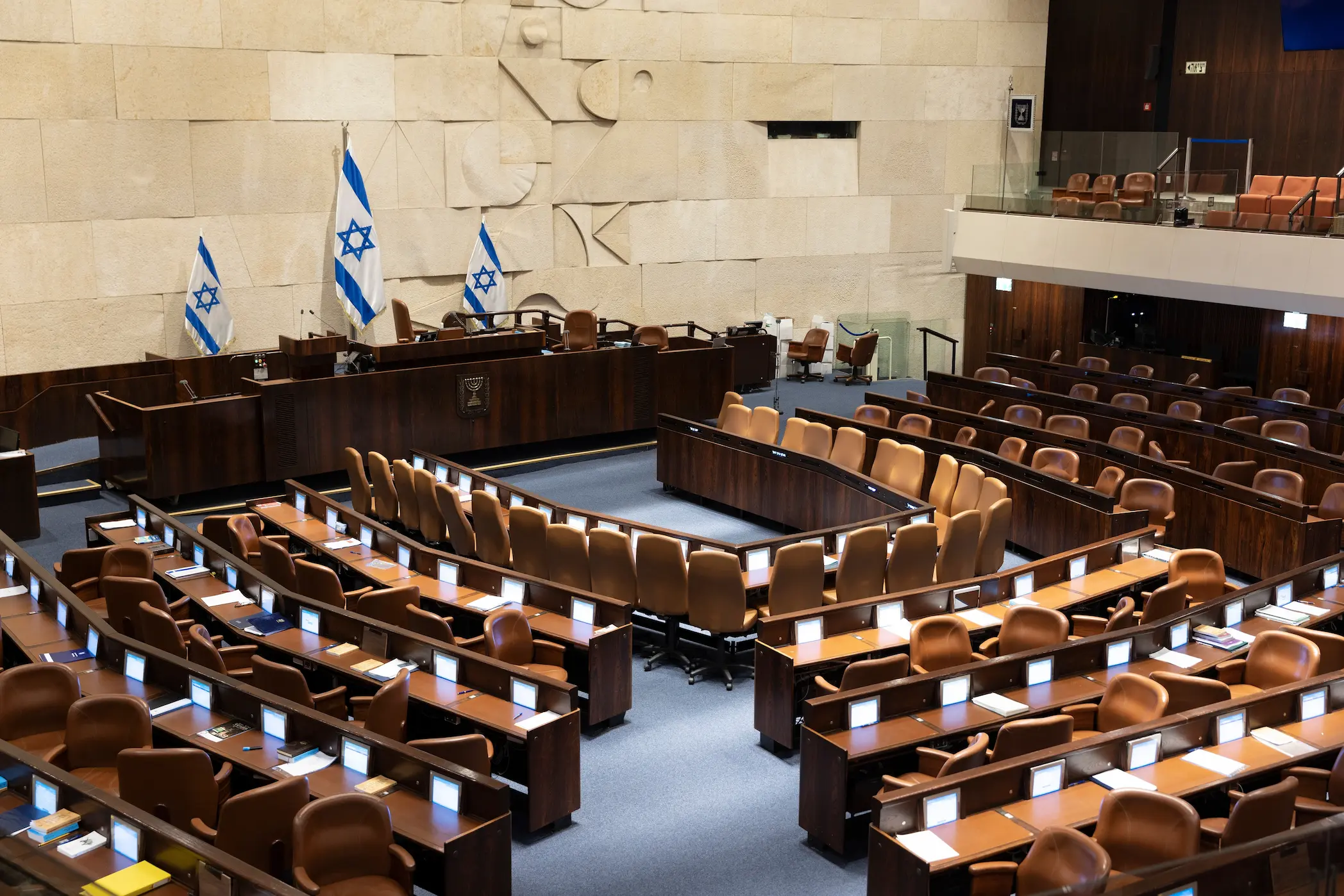
The Israeli political system has undergone profound structural shifts following the launch of Operation Roaring Lion between Israel and Iran in late February 2026. This conflict marks a transition from traditional deterrence policies and proxy warfare to a doctrine of comprehensive confrontation and pre-emptive strikes targeting nuclear and military infrastructure deep inside Iran. These military developments have coincided with the approaching constitutional deadline for the twenty-sixth Knesset elections, due no later than October 2026, amid a politically fragile environment for Prime Minister Benjamin Netanyahu and his governing coalition. The confrontation has unfolded at a time when the executive leadership is experiencing a decline in political support, shaped by the continuing repercussions of intelligence and security failures linked to the events of 7 October 2023.
These challenges are compounded by declining domestic economic indicators, sharp societal divisions over legislation mandating military conscription for ultra-Orthodox Jews, and the ongoing trajectory of judicial proceedings. In this context, analytical evidence suggests that the executive leadership is seeking to leverage the state of national emergency to consolidate cohesion within its right-wing electoral base and to affirm the centrality of the current leadership in managing security threats within a complex parliamentary system. The intersection of protracted military conflicts with democratic electoral cycles imposes complex structural pressures on voting behaviour and the prospects of incumbent leadership. The demands of national mobilisation increasingly intersect with deeply rooted crises of institutional trust in the public consciousness. This analysis examines electoral calculations before and after the outbreak of the confrontation, reviews historical precedents in which extended wars have shaped successive Israeli governments, and analyses the strategic and personal drivers of decision-making, culminating in an assessment of potential trajectories for the reconfiguration of the electoral landscape ahead of the 2026 vote.
Publications
17 Mar 2026
Defense Density in Modern Air Warfare: What European NATO Can Learn from the Gulf
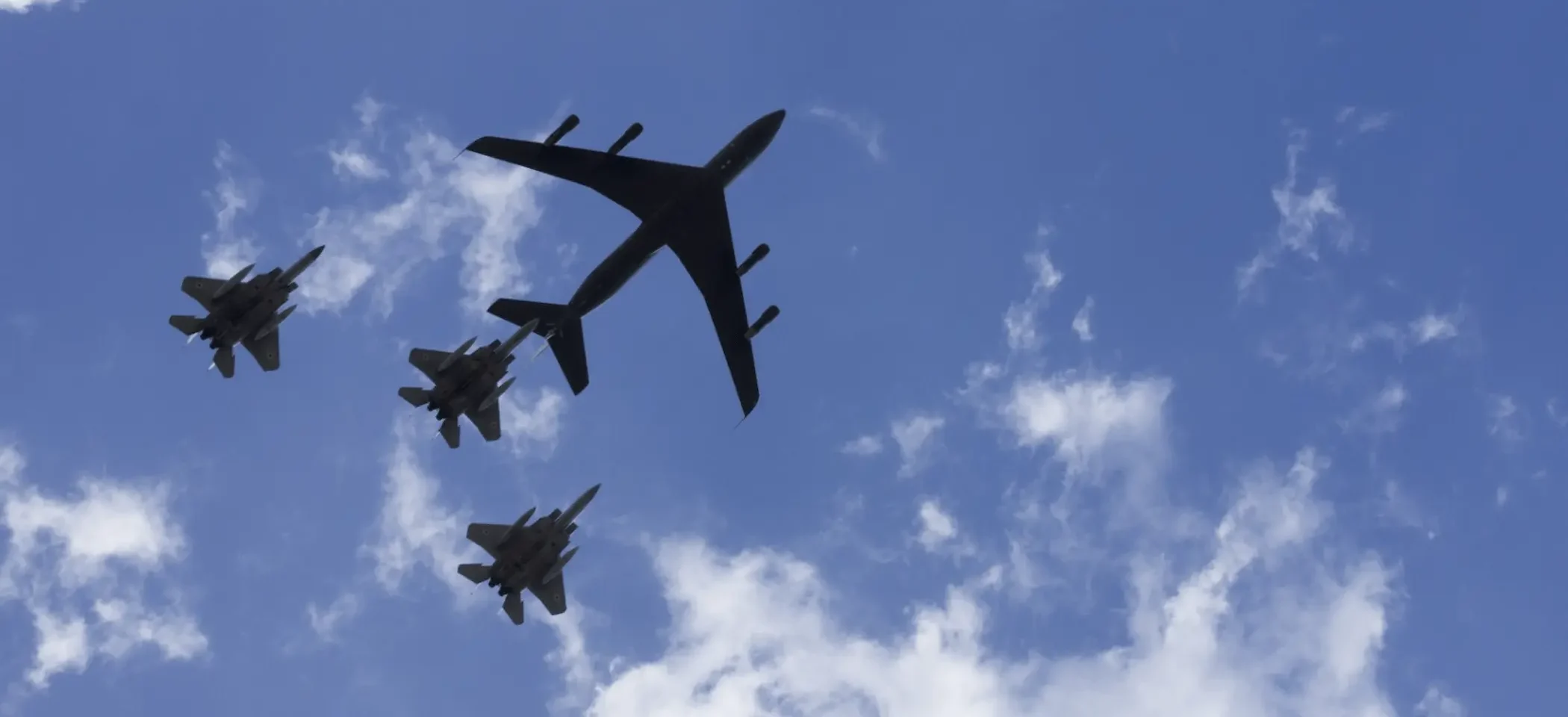
The U.S.-Israel-Iran war and Recent events that followed in Gulf countries have provided one of the clearest real-world demonstrations of modern air and missile defence under sustained pressure. Modern air warfare is increasingly defined by the ability of states to withstand large-scale saturation attacks involving drones, cruise missiles, and ballistic missiles. The proliferation of relatively inexpensive unmanned systems and precision-guided weapons has altered the balance between offensive and defensive capabilities, allowing even modest actors to launch high volumes of aerial threats. In this environment, the success of air and missile defence no longer depends solely on technological sophistication but also on defence density, the concentration of defensive systems relative to territory and population. Dense, layered air-defence networks provide multiple interception opportunities and reduce the likelihood that incoming salvos can overwhelm defensive systems. As recent conflicts have demonstrated, resilience against saturation attacks increasingly depends on whether states can deploy sufficient numbers of interceptors, overlapping defensive layers, and integrated detection networks.
Publications
2 Mar 2026
Deterrence Gap: Will the Eastern Shield Secure Tehran’s Airspace in the Next Confrontation?
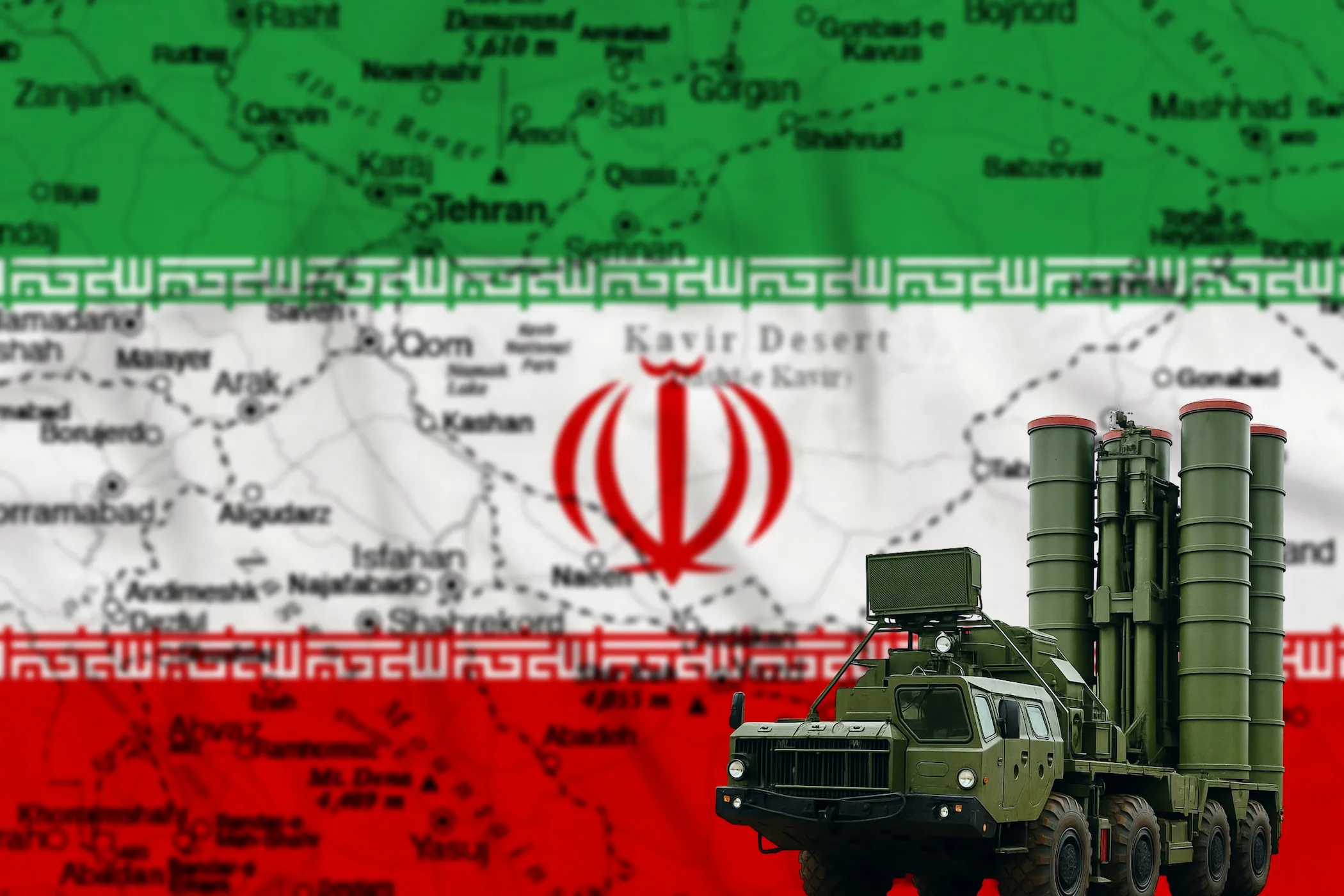
The military operations that unfolded over twelve days in June 2025 between Iran and Israel marked a sharp breakpoint in the trajectory of regional military balance. The confrontation resulted in a substantial erosion of Tehran’s military infrastructure and inflicted significant material losses. The depth of this operational failure was most evident in the near-total collapse of Iran’s integrated air-defence system, with confirmed intelligence assessments indicating that Israel succeeded in neutralising more than 80 surface-to-air missile batteries and destroying over 120 launch platforms. This effectively stripped Iranian airspace of its protective shield and imposed a state of absolute Israeli air superiority.
Amid this collapse, Tehran effectively lost its entire arsenal of the Russian-made S-300PMU2 (“S-300 PMU-2”) systems, which it had acquired in 2016 after protracted negotiations and at considerable financial cost. These systems were systematically destroyed between 2024 and 2025. Iran’s domestic air-defence industries, represented by the Bavar-373 and Khordad-15 systems, also demonstrated clear operational inadequacy when tested in a real combat environment.
This exposed a wide technological gap between Israel’s offensive capabilities and Iran’s defensive assets. The Iranian air-defence network failed to record the downing of a single manned Israeli fighter jet, and Iran’s ageing air force, reliant on pre-revolution legacy aircraft such as the F-14 Tomcat, the Phantom, and the Tiger, supplemented by 1990s-era MiG-29s, stood incapable of competing or deterring effectively.
This total inability to contest the battlespace not only underscored tactical failure but delivered a decisive blow to the strategic assumptions underpinning Iran’s defence doctrine for decades, particularly its reliance on “asymmetric missile deterrence” and hybrid layered-defence networks.
Confronted with a reality in which its missile capabilities were neutralised and its aerial shield dismantled, the Iranian leadership was compelled to adopt a “post-war reset” strategy, launching an urgent acquisition campaign aimed at closing the technological gap by turning eastward towards Russia and China to rebuild its lost deterrence.
The fundamental question that will shape the next phase in the Middle East remains: Can this “hybrid deterrence”, comprising domestic missiles alongside imported, only partially integrated weapon systems, endure against an adversary that has already demonstrated both the willingness and the capability to deliver devastating strikes deep inside Iran?
Publications
29 Dec 2025
The Cost of Closing Borders: Why Restricting Migration Could Backfire
Recently, U.S. President Donald Trump issued sharp criticism of Europe, and while migration policies were not his only focus, his remarks on the topic were particularly striking. His criticism came shortly after he announced a policy to “permanently pause migration from what he called ‘third world countries’” following a National Guard shooting in Washington, highlighting his framing of migration as both a domestic security and international issue. The latest U.S. National Security Strategy under the Trump administration closely links European security to its migration policies, warning of what it describes as "civilisational erasure" from uncontrolled immigration and EU policies, and calling on Europe to enforce stricter border controls, support "patriotic" parties, and become more self-reliant. This approach is widely seen as critical of mainstream European leadership and supportive of far-right movements.
At the same time, far-right sentiment is gaining traction across Europe, visible in the electoral successes of parties such as France's National Rally, Italy's Lega, and Germany's Alternative for Germany. While public discourse often frames migration as a threat to security and civilisation, Western countries overlook a crucial point, which is that migration can be a dividend, contributing to economic growth. With populations ageing faster than the global average and shortages of labour in highly skilled professions, the West is increasingly dependent on migrants. The question is what might happen if far-right agendas succeed in curbing migration, and whether Western economies and security could sustain themselves without it.
Publications
11 Dec 2025
Narrowing Pathways: What Choices Remain as Tehran Enters ‘Water Bankruptcy’?
The escalating water crisis in the Iranian capital, Tehran, portends profound strategic repercussions that strike at the heart of national security and internal stability. Field indicators and updated international data up to 2025 point to the city reaching a stage of “absolute water stress.” This reality is manifested in the sharp and unprecedented decline in surface and groundwater reserves, as an inevitable result of the combination of long-term drought waves with decades of structural mismanagement and excessive depletion of resources, which has led to a decrease in the levels of strategic reservoirs to critical levels that directly threaten the continuity of drinking water supplies for millions of residents. The official warnings, hinting at the possibility of the capital drying up within weeks unless emergency measures are taken, are acquiring serious demographic and social dimensions. The danger transcends mere water scarcity, raising grave concerns about widespread social unrest, the need to adopt drastic policies such as forced displacement, or even the serious discussion of relocating the capital. Therefore, a comprehensive reform of water resource management policies, the strengthening of dilapidated infrastructure, and the adoption of sustainable solutions are imperative to contain the crisis and avert the looming scenarios of economic and security collapse.

Publications
25 Nov 2025
De-dollariaztion: What It Means for the US Economy
The United States dollar (USD) prominence as the main global reserve currency can be attributed to the Bretton Woods Agreement of 1944, which created a new international monetary order and directly linked major world currencies to the USD, which was itself pegged to gold at $35 per ounce. The USD quickly emerged as the primary medium of exchange for most commodity trades and international financial transactions as a result of this agreement, which concentrated trust and liquidity around the currency. In 1971, the Nixon Shock occurred when the United States (U.S.) ended direct USD–gold convertibility, weakening the USD. However, the scope and depth of U.S. financial markets and the petrodollar system - which mandated that oil exports be invoiced and paid in USD- made it incontrovertible, giving the U.S. “the exorbitant privilege”, as economist Valéry Giscard d’Estaing described it, of having substantial control over global monetary policy while financing trade and budget deficits.
It’s crucial to weigh this against factors that continue to uphold the USD’s hegemony though. The unmatched stability liquidity and depth of U.S. financial markets continue to attract global investors worldwide, preserving the USD’s position as the favored reserve asset. Since international trade, finance, and investment infrastructures are still heavily USD-centric, it is also challenging for alternative currencies to quickly replace the USD due to the vast global network effect that has been developed over decades. Moreover, the USD’s status as a “safe-haven” asset persists, particularly during periods of global uncertainty, sustaining demand.
Yet, this hegemonic status is now challenged structurally in ways increasingly understood as de-dollarization- that is, the deliberate reduction of the share of the USD in global trade invoicing, reserve holdings, and payment systems. Debates on the durability of U.S. monetary leadership have been ongoing for decades, but a number of forces have turned de-dollarization from an abstract concept into a global trend since the Global Financial Crisis of 2008. That crisis exposed systemic vulnerabilities within USD-dependent financial networks, underscoring how U.S. monetary policy and financial shocks can transmit worldwide in destabilizing ways—especially across Emerging Markets and Developing Economies (EMDEs).
This postwar order is increasingly under structural pressure from geopolitical fragmentation, rising U.S. debt, sanctions overreach, and the emergence of alternative payment systems. These pressures could lead to two different scenarios for the U.S. economy in a post-dollar world: a sudden collapse due to financial instability and inflation, or a gradual decline with persistently higher borrowing costs and the steady erosion of fiscal and geopolitical leverage. The latter is more likely but still represents a structural shift that redefines the balance of global economic power.
Publications
18 Nov 2025
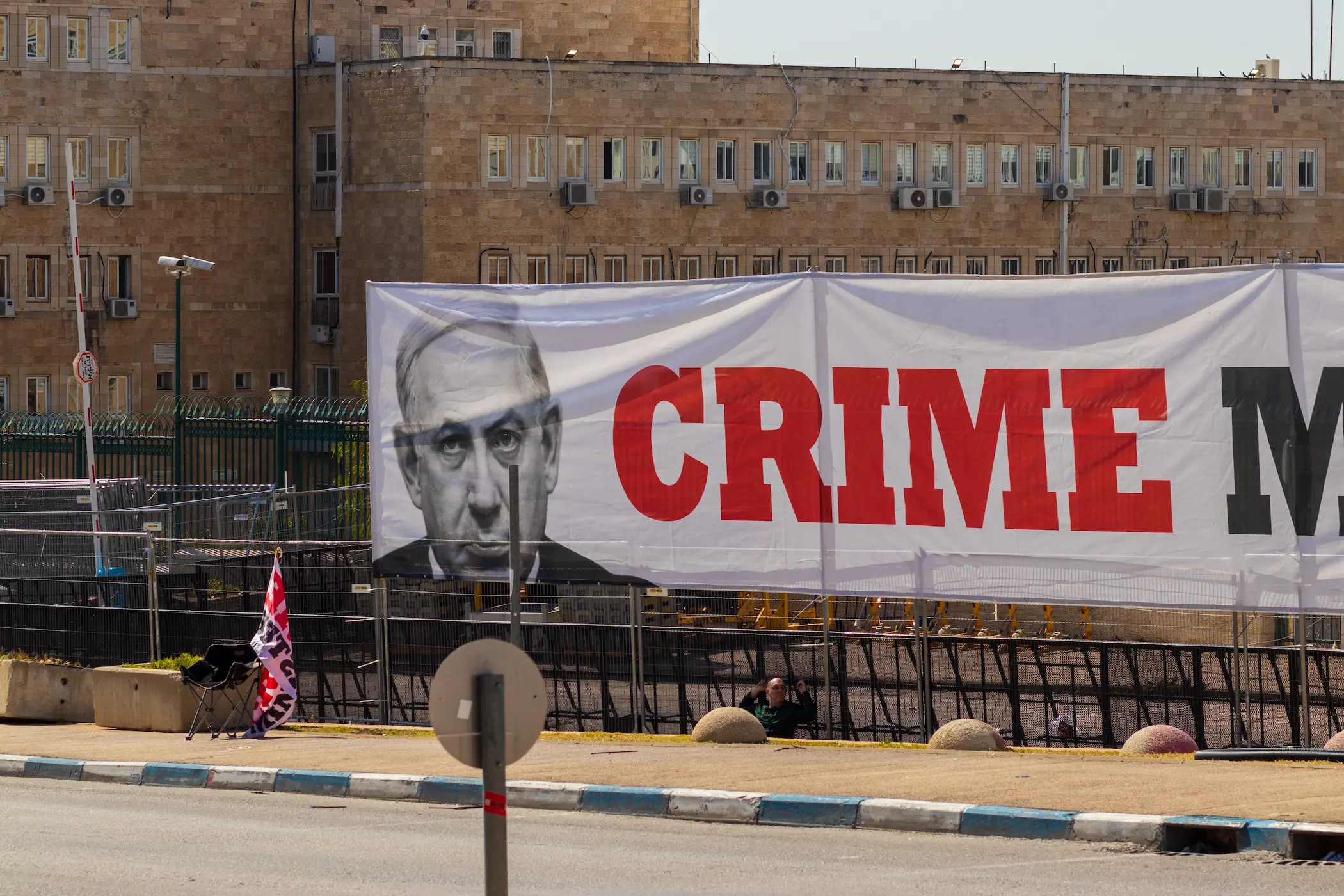
The Lord of War: Netanyahu’s Profits Behind Gaza War
This investigative study adopts a rigorous, systematic analytical methodology to examine the true dimensions of Israeli Prime Minister Benjamin Netanyahu’s wealth, illuminating substantial structural discrepancies between his officially declared income and his accumulated assets. Utilizing evidence-based financial investigation, the research identifies sustained and deliberate efforts to obscure financial transparency, primarily through sophisticated mechanisms such as offshore banking, the purchase of assets via shell or limited liability companies, and the use of aliases. Furthermore, the study deconstructs the institutional networks and patterns of quid pro quo influence that facilitate the continuous recirculation of privileges, economic benefits, and power among elite government officials and leading actors in the Israeli defense industry.
The study underscores the instrumental role of political crises, particularly The War on Gaza, as strategic junctures that enable the executive to maximize discretionary authority and circumvent traditional oversight mechanisms. Empirical findings indicate that Netanyahu directly benefited financially from the war by leveraging his expanded emergency powers to authorize high-value defense contracts outside standard competitive bidding processes. This approach resulted in an unprecedented windfall for defense sector entities closely associated with his inner circle. The war context also facilitated the diversion of public resources to support the interests of this network, ultimately institutionalizing mechanisms for influence-sharing among policymakers and leaders in the military-industrial complex. Consequently, the aggregate value of contracts executed during states of emergency surged dramatically, exemplifying the organic convergence of political and economic power within Netanyahu’s administration. The systematic exploitation of crises thus emerges as a central feature in the amplification of personal wealth and the consolidation of elite privileges within a closed governance structure.