

Publications
30 Mar 2026
What If: Iran Targeted Submarine Internet Cables in the Arabian Gulf?
The contemporary global economy is anchored in a tightly integrated digital and physical infrastructure, in which the continuity of international markets depends on an extensive network of submarine fibre-optic cables spanning approximately 1.3 million kilometres. This strategic architecture carries between 95 and 99% of intercontinental digital communications and constitutes the foundational layer for the settlement of daily financial transactions valued at roughly 10 trillion dollars. For decades, geopolitical analysis has prioritised the security of surface maritime corridors to safeguard the uninterrupted flow of conventional energy resources. Yet evolving realities indicate a decisive shift. The durability of the global economic system now hinges just as critically on protecting these submerged networks, which have emerged as indispensable arteries of global connectivity and financial stability.
This reality is especially visible in the Middle East, particularly across the Arabian Gulf, the Strait of Hormuz, the Arabian Sea, and the Red Sea, where the geographic corridors that govern trade flows and energy supply chains overlap with the main routes of global data transmission. The Strait of Hormuz, which is only 21 nautical miles wide, sits at the centre of this convergence. Around 21 million barrels of crude oil and one-third of global liquefied natural gas supplies pass through it each day. At the same time, 17 submarine cable systems run across its seabed, carrying nearly 30% of total international internet traffic. This intense concentration of physical and digital infrastructure within a narrow geographic space creates a severe security vulnerability. It exposes the global economy to systemic risks tied directly to regional instability.
These structural risks moved from theoretical assessment to operational reality with the outbreak of direct military confrontation in early 2026 between the United States and Israel on one side and Iran on the other, in what became known as Operation Epic Fury. These developments marked a fundamental shift in Iranian military doctrine. Faced with growing limits on its ability to disrupt surface energy flows through conventional means, Iran increasingly turned toward asymmetric threats. This shift is reflected in a move away from the traditional threat of closing maritime chokepoints to the deliberate targeting of submarine internet cable networks, using their disruption as a tool of deterrence and geopolitical pressure. It represents a calculated effort to exploit the physical vulnerabilities of civilian infrastructure to offset conventional power imbalances. In doing so, it introduces risks that extend well beyond the regional theatre and directly affect the foundations of the digital economy, in an era increasingly shaped by hybrid warfare and the militarisation of the maritime domain.
This emerging pattern of threat also creates what can be classified academically as a dual and simultaneous crisis. In such a scenario, the systematic disruption of submarine cables would paralyse global energy supply chains while simultaneously causing severe degradation across the digital infrastructure of the Middle East, South Asia, and Europe.
The immediate consequences would extend far beyond the loss of communications services for individuals. They would include major disruptions to electronic clearing systems that underpin sovereign wealth fund investments, as well as the paralysis of digital command-and-control centres operated by state-owned energy conglomerates. Such targeting would also disrupt military command-and-control networks and sever the communication channels needed to manage maritime navigation and to reroute vessels during crises. It would further undermine the artificial intelligence and cloud computing infrastructure on which many states in the region rely for their economic diversification strategies.
The plausibility of these threats is reinforced by recent material precedents that have exposed the infrastructure's real vulnerabilities. Most notable was the damage inflicted on Red Sea cable systems following the sinking of the Rubymar in 2024, followed by multiple line disruptions in the same region in September 2025. Together, these incidents underscore the fragility of these networks in the face of both accidental disruptions and deliberate acts of sabotage.
Building on these complex strategic and economic dynamics, this paper examines the implications of a large-scale attack targeting submarine communications infrastructure in the Arabian Gulf. It does so through a detailed assessment of the technical and military capabilities available to Iran to carry out physical sabotage operations beneath the seabed, alongside an analysis of the strategic motives driving this form of asymmetric escalation. By integrating recent historical precedents with updated data on regional and international levels of digital dependence, the paper seeks to assess the scale of the losses likely to result should such a scenario materialise.
Programmes
25 Mar 2026
Iran as a Potential Arena for Great Power Competition
The U.S.-Israel-Iran War is well underway, and the risks of spillover and enlargement is becoming more of a reality as the war goes on. As the conflict continues to expand, several actors are seeking out opportunities to challenge the existing balance of power in the region and aim to exploit the war to expand their influence. In the past decade, Russia has been working to court the United States’ MENA allies into its sphere of influence through the concept of regime stability, while China is taking on a soft power approach through economic and diplomatic cooperation. A prolonged war between the U.S.-Israel and Iran can result in global powers such as Russia and China getting more involved in the region to diminish American influence globally, which can result in a great power competition. The potential of Iran serving as an arena for great power competition will be explored through the American strategic overstretch and the economic shock caused by energy crisis.

Programmes
25 Mar 2026
Manufacturing the Narrative: How Western Media Distorted What Really Happened in Dubai
Since late February 2026, the regional and international geopolitical landscape has entered a phase of accelerating military escalation following the outbreak of direct confrontation between the United States and Israel on one side and Iran on the other. That conflict has triggered successive waves of missile and drone attacks, generating recurrent spillover effects that have directly affected the airspace of Gulf states, particularly the United Arab Emirates.
Although the United Arab Emirates’ defence and institutional infrastructure, particularly in Dubai, demonstrated exceptional resilience and an immediate operational response to these threats through the activation of advanced air defence systems and the careful, precautionary management of brief airspace closures to safeguard air navigation and civilian safety, the real crisis did not lie solely in the direct military dimension. It also extended into a highly complex information war.
These developments coincided with the strict enforcement of domestic cybercrime laws, which restricted the circulation of unauthorised images and video footage in an effort to prevent panic and protect national security. Yet this also created an opening that the Western media machine exploited strategically and systematically to dominate the flow of information and construct a distorted account of events.
Against this backdrop of stark divergence between the coherent reality on the ground and the remote narrative constructed around it, international media outlets, particularly the British tabloid press, turned into vehicles for an extraordinary degree of dramatization. What were, in reality, limited regional spillovers were presented as evidence of an imminent and inevitable collapse of Dubai’s entire economic and social model.
By adopting provocative and polarising headlines that flatly declared Dubai “finished”, and casting the crisis as the tragic collapse of the safe tax haven dream, these outlets embraced a line of analysis wholly detached from realities on the ground. Verified evidence of business continuity and the strength of the UAE’s security architecture was sidelined in favour of a pre-packaged disaster narrative. This shift demands a deeper analytical and historical examination of the mechanisms and the economic and political incentives that can drive media institutions away from their role as objective conveyors of fact and turn them into instruments for shaping global public opinion.
Programmes
24 Mar 2026
The Ripple Effect of the US-Israel-Iran War on the Russia–Ukraine War
The long-standing efforts to end the Russia-Ukraine War were disturbed by the sudden outbreak of the U.S.-Israel-Iran War. The strikes carried out by the United States and Israel against Iran, and their broader spill-overs across the Middle East, have hindered the already difficult peace negotiations between Moscow and Kyiv. This escalation raises concerns about the extent to which the U.S.-Israel-Iran War could have on the broader geopolitical dynamics. This war risks diverting global attention away from efforts to resolve the Russia-Ukraine War and, at the same time, raises concerns about the extent to which it could reshape power dynamics and influence the trajectory of this war.
Programmes
22 Mar 2026
From Partnership to Prudence: China’s Changing Investment Posture in Israel
Economic and geopolitical relations between China and Israel have undergone significant changes following the War on Gaza. Chinese regulatory authorities moved to classify certain areas within Israel under what is known as the Red Category, an official administrative designation that identifies these locations as high-risk investment zones. This classification imposes legal restrictions that prevent the injection of new financial investments into these areas.
As a result, a legal environment has emerged in which Chinese companies rely on security warning protocols and personnel safety considerations as a formal justification for controlling capital flows and suspending the implementation of certain financial obligations under previously signed contracts. This development necessitates a careful examination to understand how these risk assessment mechanisms operate and their tangible impact on the economic relationship between the two countries.
Programmes
20 Mar 2026
Iran’s Fragile Economic Adaptation Under Military Pressure
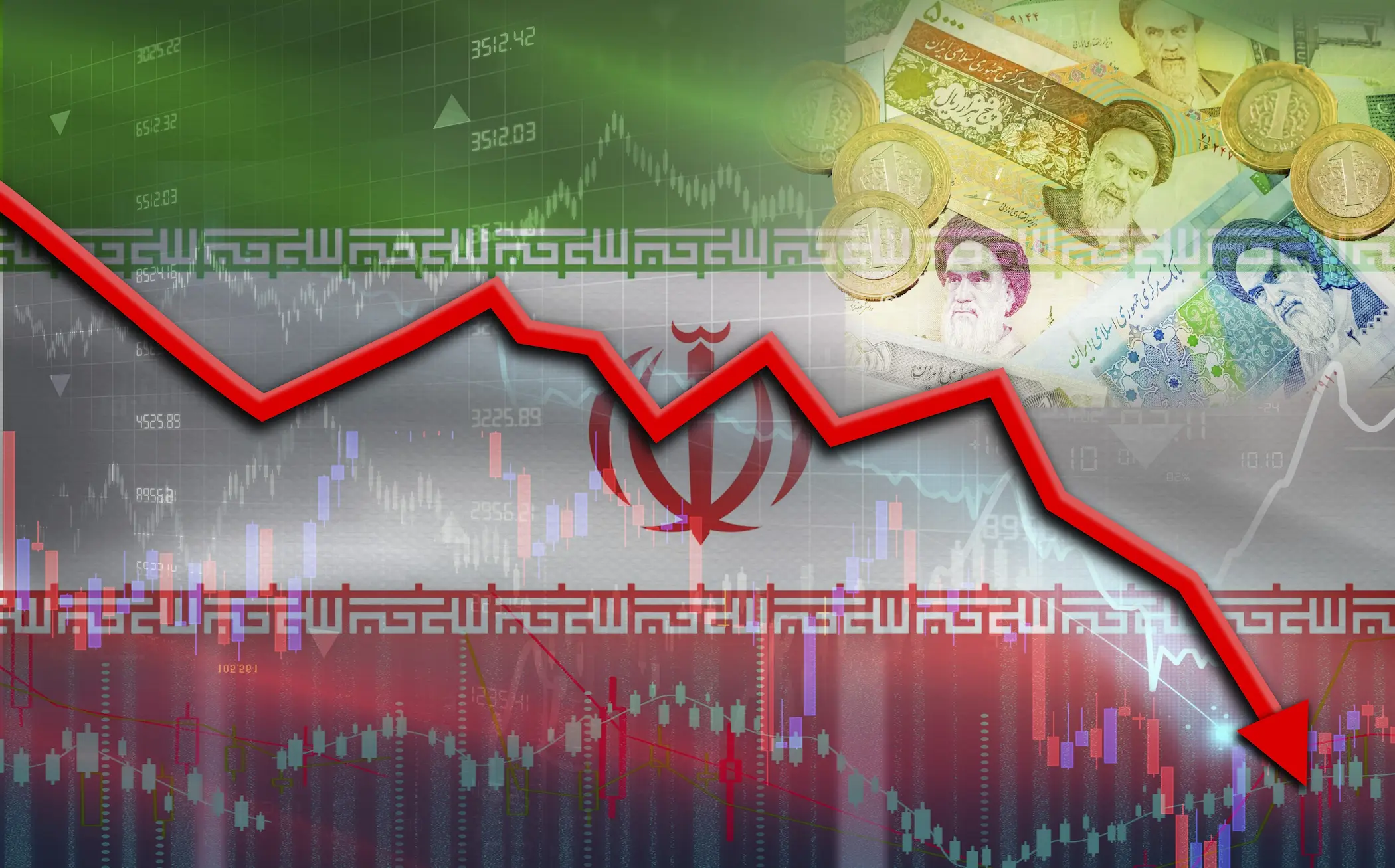
One of the most structurally fragile economies in the Middle East serves as the backdrop to Iran’s current military confrontation. Extensive international sanctions have, for more than a decade, restricted Iran’s access to global financial markets, constrained its energy exports, and limited foreign investment. Gradually, the Iranian economy came to evolve as a sanctions-adaptation economy, surviving persistent external pressure through informal trade networks, shadow energy exports, and alternative financial channels instead of collapsing outright.
Yet unlike sanctions, which create gradual economic constraints, war introduces a fundamentally different kind of shock by disrupting logistics networks, causing unprecedented damage to national infrastructure and compelling the state to reallocate its resources toward defense spending amid military escalation. Such shocks, for an already fragile economy operating at the limits of macroeconomic stability, can generate disproportionate consequences. The current conflict therefore brings into focus a central economic question: can Iran’s sanctions-adapted economy withstand the pressures of war, or will military escalation reveal structural weaknesses previously concealed by the sanction’s system?

Programmes
19 Mar 2026
Strait of Hormuz Closure: Strategic Implications for the Global Semiconductor Industry
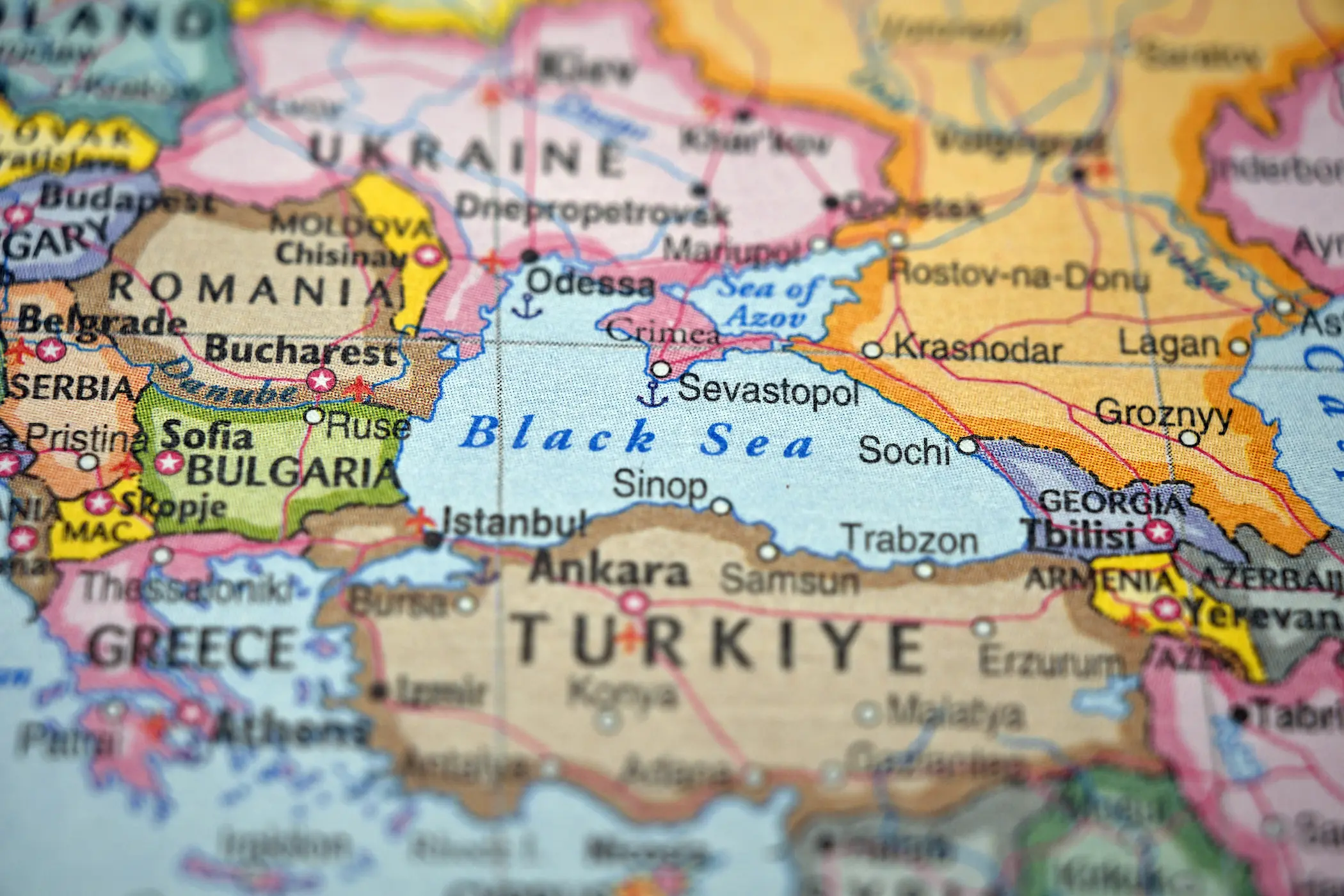
Iran has blocked maritime navigation through the Strait of Hormuz since the first week of March, following the attacks it sustained during Operation Epic Fury. This disruption has hindered the movement of nearly 20 million barrels of crude oil per day. It has trapped shipments of liquefied natural gas, accounting for around 20% of global consumption, within the waters of the Arabian Gulf. As a result, international energy markets are experiencing sharp price volatility affecting Brent crude futures and European gas contracts.
At the same time, maritime shipping lines have been compelled to reroute their commercial fleets, forcing them to navigate around the historic Cape of Good Hope route at the southern tip of Africa. This enforced geographic diversion adds approximately 19 days to maritime transit times to and from Asia, generating weekly losses for global supply chains estimated at between $2 billion and $3 billion in additional operating and fuel costs.
This operational disruption directly affects the technological infrastructure of East Asia, where advanced semiconductor fabrication facilities in Taiwan and South Korea require vast, continuous electricity supplies to operate lithography systems around the clock. These critical facilities, which account for approximately 68% of global semiconductor production, rely on imported liquefied natural gas to ensure the stability of their power networks and prevent disruptions.
In parallel, the precision manufacturing processes involved depend on highly specialised raw materials whose primary sources are concentrated in regions currently affected by the crisis. In particular, production lines require ultra-high-purity helium gas, extracted as a by-product from Gulf LNG liquefaction facilities, which represent roughly 35% of global supply, as well as bromine, which Korean factories import at a rate of 97.5% from the Dead Sea coast for chemical etching processes. Accordingly, technology firms are accelerating efforts to assess their exposure to the dual energy and critical chemical input shortages. At the same time, economic stakeholders monitor the crisis's trajectory with heightened caution to safeguard supply chain continuity.
Accordingly, this analysis examines the strategic and operational implications arising from the closure, focusing on three principal dimensions. First, it addresses the disruption of liquefied natural gas supplies and their direct impact on the security of power grids that sustain major Asian semiconductor manufacturing hubs. Second, it examines the sharp interruption in the supply of critical raw materials, particularly specialised gases and petrochemical inputs required for precision manufacturing processes. Finally, it explores the logistical repercussions of the forced rerouting of maritime shipping routes, as well as the strategic measures states are considering to mitigate future geopolitical risks.
Programmes
18 Mar 2026
Can the Black Sea Initiative Resolve the Strait of Hormuz Crisis?
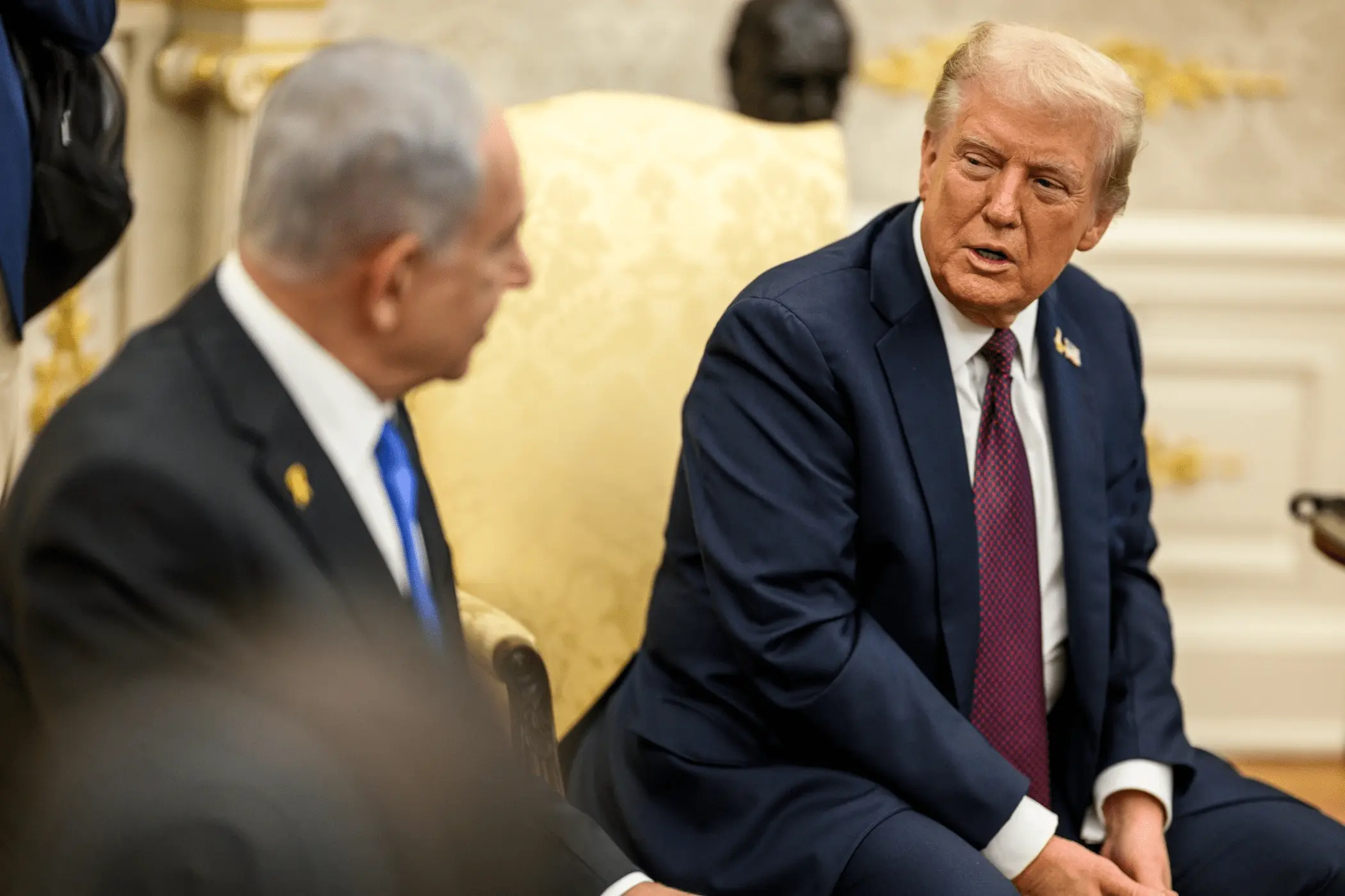
The global political and economic landscape is undergoing structural shifts following the outbreak of US and Israeli military operations against Iran in late February 2026. In response to this escalation, the Iranian leadership adopted a strategic decision to close the Strait of Hormuz to commercial shipping and oil tankers, leveraging its asymmetric capabilities, including naval mines, advanced missile systems, and drones, to transform the strait into an active military theatre.
The Strait of Hormuz constitutes a critical artery for global energy supplies, with approximately 20 million barrels of oil transiting through it daily, accounting for around 20% of global consumption, as well as shipments of liquefied natural gas (LNG). The closure has produced immediate economic repercussions, including the suspension of maritime traffic, the withdrawal of insurance coverage by shipping insurers, and a sharp surge in oil prices, which have exceeded $120 per barrel. In an effort to contain the crisis, the European Union’s High Representative for Foreign Affairs and Security Policy, Kaja Kallas, proposed a diplomatic initiative to establish a secure maritime corridor in the Strait of Hormuz under United Nations supervision to ensure the safe flow of energy supplies.
Kallas’s initiative draws on the “Black Sea Initiative” model, which enabled the export of Ukrainian grain under international guarantees. European efforts are driven by concerns that disruptions to gas supplies could undermine global food production, given their direct linkage to fertiliser manufacturing. The initiative, therefore, seeks to insulate energy vessels from military targeting to preserve global economic stability. Against this backdrop, the central question arises: to what extent can this initiative help de-escalate the current crisis, and what alternatives remain should the Black Sea model prove unviable?
Programmes
18 Mar 2026
From Wartime Partners to Political Rivals… Could Iran Ignite a Rift Between Trump and Netanyahu?
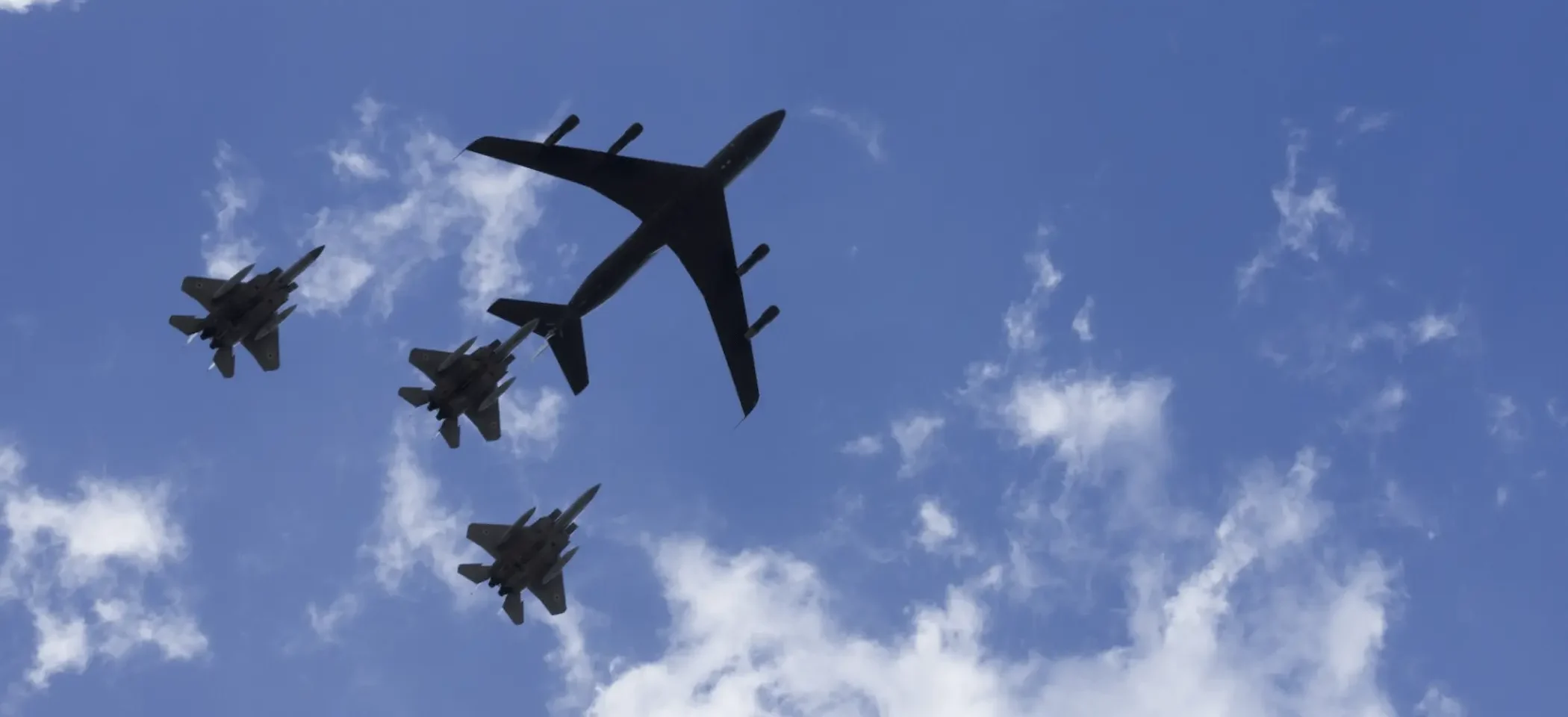
The strategic partnership between the United States (U.S.) and Israel has long demonstrated an exceptional ability to absorb and manage tactical divergences. Yet the developments accompanying the launch of the U.S. operation "Epic Fury," conducted in parallel with Israel’s "Visiting Lion" operation in late February 2026, have placed this alliance under an unprecedented test in the modern Middle East. Although this coordinated campaign initially achieved decisive operational successes, most notably the elimination of Iran’s Supreme Leader and the dismantling of the command structure of the Islamic Revolutionary Guard Corps (IRGC), the image of complete alignment projected by President Donald Trump and Prime Minister Benjamin Netanyahu conceals fundamental divergences in visions and objectives.
A careful reading of the historical trajectory of this relationship, alongside its current political constraints, suggests that a prolonged conflict will expose the sharp divergence in the strategic interests of the two capitals. As the confrontation shifts from rapid strikes to a complex regional war of attrition whose consequences extend beyond Washington and Tel Aviv, these differences are likely to evolve into deep structural fractures. This paper offers a strategic analysis of this emerging dynamic, arguing that the fundamental differences in the capacity to absorb economic repercussions, manage human losses, and navigate rigid electoral timelines will transform muted tactical disagreements into an overt strategic rift that will be increasingly difficult to contain or deny.
Publications
17 Mar 2026
Defense Density in Modern Air Warfare: What European NATO Can Learn from the Gulf
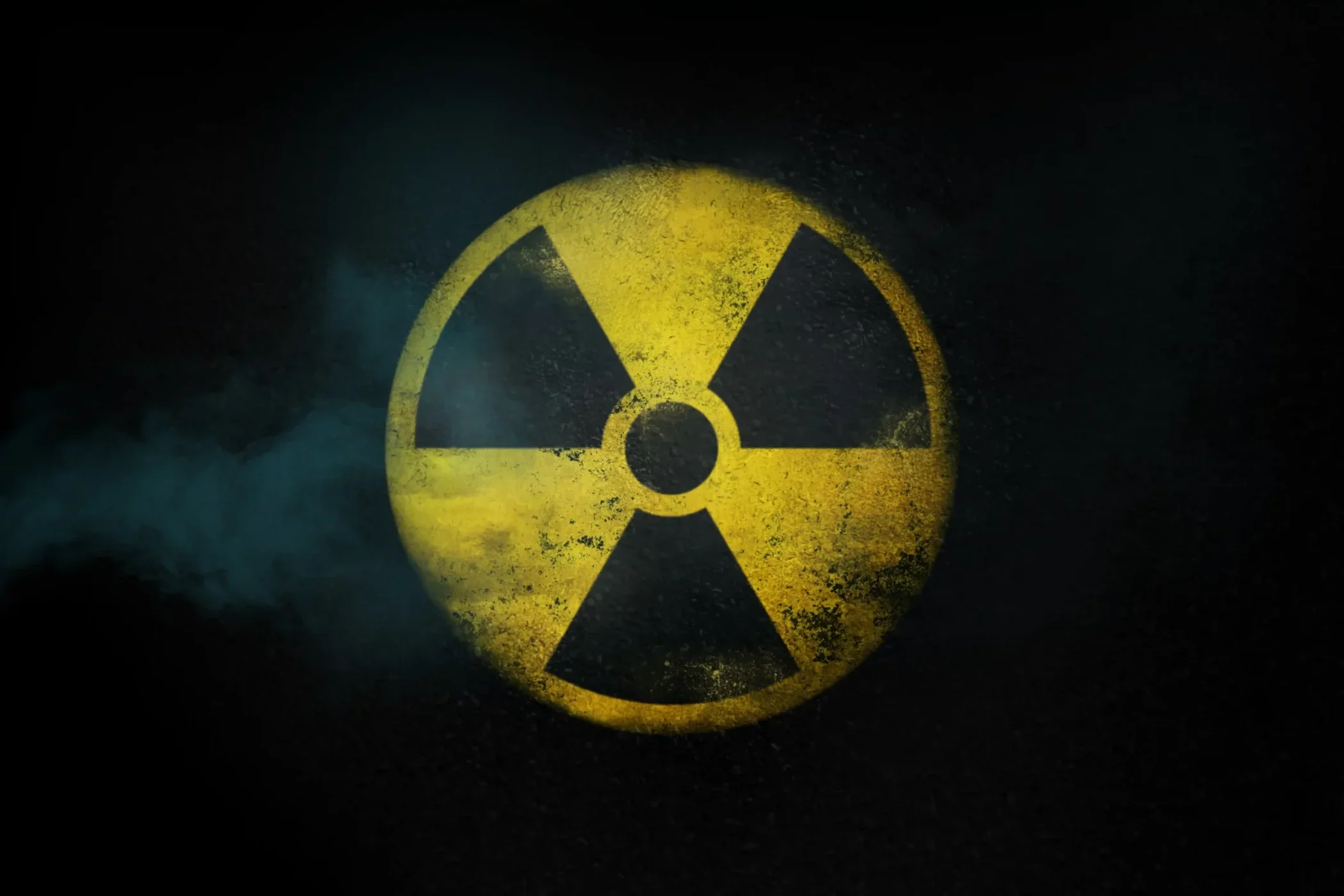
The U.S.-Israel-Iran war and Recent events that followed in Gulf countries have provided one of the clearest real-world demonstrations of modern air and missile defence under sustained pressure. Modern air warfare is increasingly defined by the ability of states to withstand large-scale saturation attacks involving drones, cruise missiles, and ballistic missiles. The proliferation of relatively inexpensive unmanned systems and precision-guided weapons has altered the balance between offensive and defensive capabilities, allowing even modest actors to launch high volumes of aerial threats. In this environment, the success of air and missile defence no longer depends solely on technological sophistication but also on defence density, the concentration of defensive systems relative to territory and population. Dense, layered air-defence networks provide multiple interception opportunities and reduce the likelihood that incoming salvos can overwhelm defensive systems. As recent conflicts have demonstrated, resilience against saturation attacks increasingly depends on whether states can deploy sufficient numbers of interceptors, overlapping defensive layers, and integrated detection networks.
Programmes
15 Mar 2026
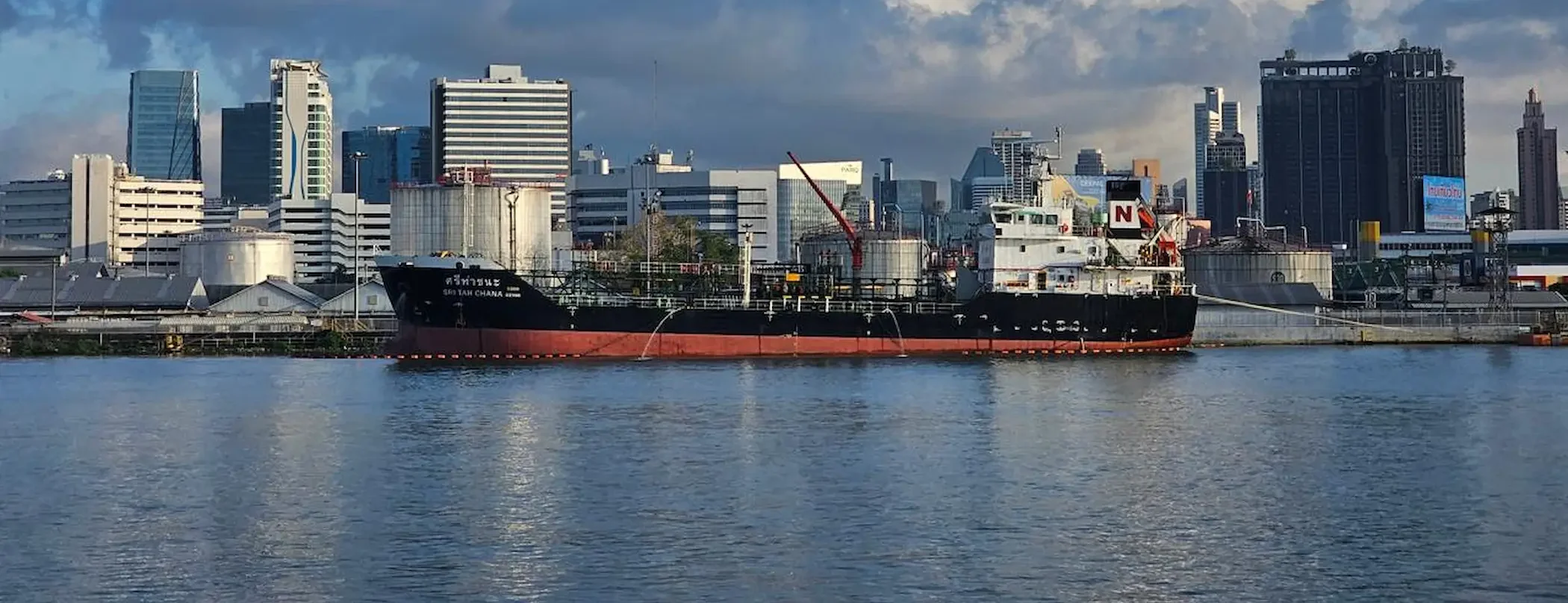
Strait of Hormuz Closure: How Middle Eastern Crises Are Reshaping the Global Nuclear Energy Landscape
The United States and Israel launched Operation Epic Fury in late February 2026, targeting Iran’s nuclear and missile infrastructure and seeking to remove its political leadership. Although the operation achieved its initial tactical objectives with high precision, it provoked an asymmetric retaliatory response from the remaining Iranian forces. This response took the form of a comprehensive blockade of the Strait of Hormuz, the world’s most critical maritime artery for energy transport, triggering a severe global economic shock. Such disruption could propel the international system towards reducing its reliance on fossil fuels and accelerating the adoption of alternative domestic energy solutions, most notably nuclear power.
At the same time, global electricity demand is rising sharply, driven by the rapid expansion of advanced artificial intelligence infrastructure and high-performance computing facilities. This sudden disruption of fuel supplies places policymakers in major industrial economies under immediate economic and security pressures, while simultaneously exposing the profound consequences of closing the Strait. In this context, the present analysis examines the repercussions of the Strait of Hormuz's closure on global supply chains. It then develops a historical comparison with the oil price shocks of the 1970s, illustrating how those crises redirected states towards nuclear technology. The study concludes by analysing emerging regulatory and financial measures, as well as new geopolitical alignments, that are accelerating the global drive to construct nuclear reactors in 2026.
Programmes
13 Mar 2026
Countdown to Famine: Will the Strait of Hormuz Lead Iran into a Severe Food Crisis?
While global attention remains focused on the situation in the Strait of Hormuz, through which nearly twenty million barrels of crude oil pass each day, less attention is given to the potentially more significant developments occurring within Iran’s borders. As of March 2026, the military strikes carried out by the United States and Israel generated what can be described as a caloric chokepoint effect, which cannot be offset by any level of kinetic military capabilities. According to the Islamic Republic of Iran, the country’s principal vulnerability in the 21st century lies in its deep-water grain elevators, rather that its military power.
While Iran’s food supply system is logistically fragile and assumes that the country’s southern ports will always remain accessible and fully operational, however, the withdrawal of war-risk insurance and the stalling of shipping through Bandar Abbas have invalidated this assumption. Therefore, describing the current situation merely as a trade disruption is inaccurate, as it effectively represents a biological countdown.
As operational feed stocks decline to a fourteen-day supply, the resulting protein shortage poses a significant risk of domestic instability—an effect that conventional military strikes are unlikely to match.