
Programmes
25 Jun 2026
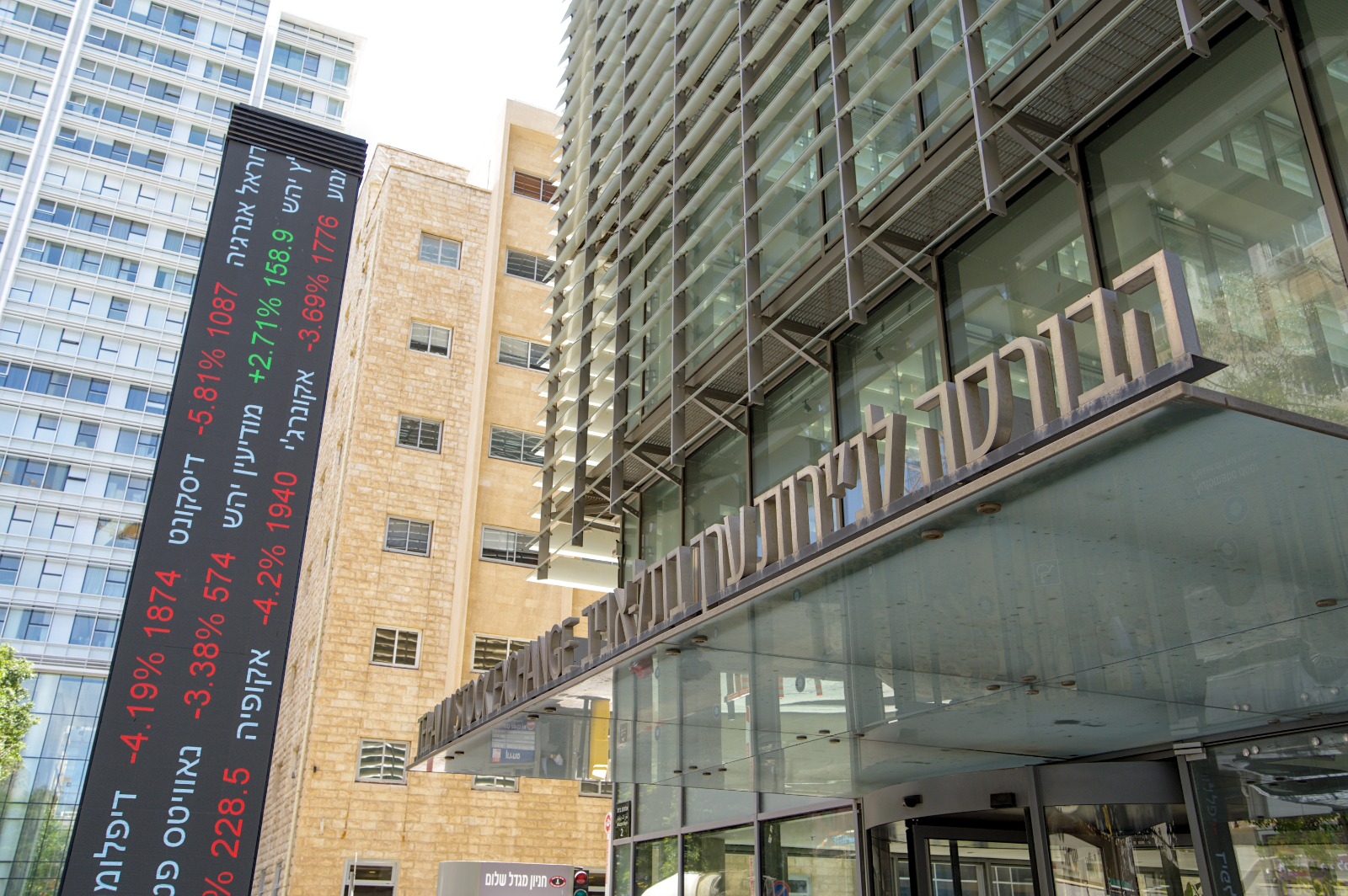
Tel Aviv Stock Exchange: Why did it rise during the war and fall with the truce?
The Tel Aviv Stock Exchange (TASE) offers one of the most instructive case studies in contemporary political economy. In under three years, it transformed from a compressed, domestically isolated venue into a high-beta financial instrument that prices Middle Eastern geopolitical risk in real time. The period from October 2023 to June 2026 encompassed the gravest security shock in Israel's modern history; yet its benchmark indices delivered record returns, making it the world's fastest-rising equity market in 2024 and 2025, before pivoting abruptly into a sharp correction by mid-2026. This paradoxical trajectory poses a fundamental question: how does capital — foreign and domestic alike — respond when gun barrels intersect with trading screens, and why did the signals emanating from the sovereign bond market diverge so starkly from those of the equity market at the very same moment? This analysis traces the precise correlation between military and diplomatic events on the one hand, and capital flows and the sovereign risk premium on the other, exposing a new financial logic that now governs the pricing of existential risk.
Accordingly, this analysis sets out to disentangle three interlocking layers: first, the mechanics of the initial shock and the manner in which the state intervened to contain capital flight; second, the paradox of the war economy, in which sovereign downgrades coincided with an unprecedented equity rally; and third, the 2026 reversal that repriced geopolitical risk in the wake of diplomatic realignment — culminating in a forward-looking assessment of the market's probable trajectories through 2028.
Publications
18 Jun 2026
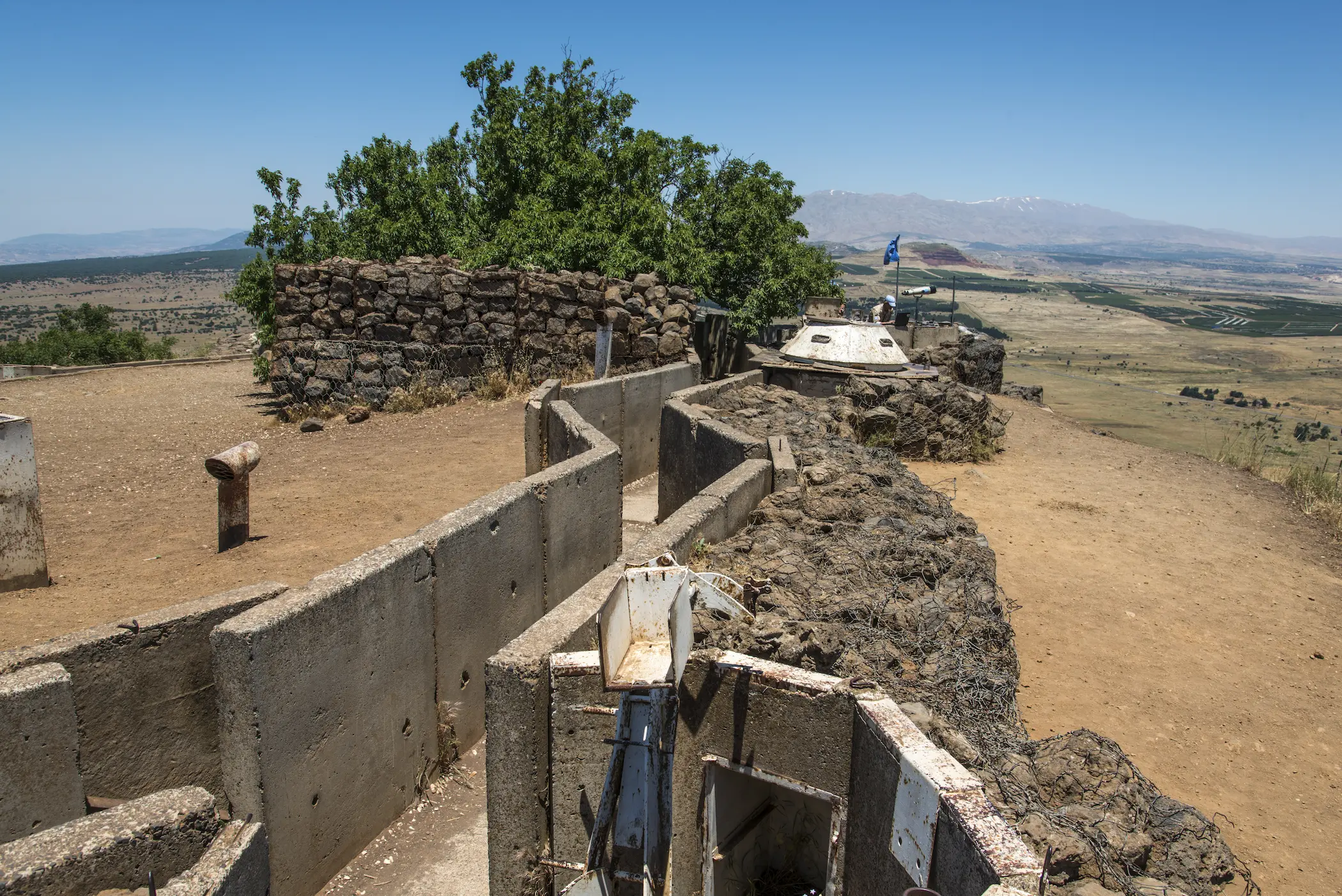
The Mirage of Safe Geography: How Buffer Zones Have Become a Military Liability for Israel
The Middle East has undergone profound shifts in its security and geopolitical landscape following the major events that began on 7 October 2023 and continued to unfold through 2026. At the heart of these shifts lies a fundamental transformation in Israeli military doctrine. For many years, Israel relied on rapid pre-emptive strikes and advanced technologies to sustain remote defence without requiring permanent control over new territory. However, the unprecedented breaches of its borders have fundamentally altered this strategy. Israel has now moved towards direct physical control over parts of Arab territory and has begun constructing a broad, contiguous belt of buffer zones extending from the Gaza Strip in the south and southern Lebanon in the north to the Syrian Golan Heights.
Historically, buffer zones were understood as demilitarised and relatively calm spaces designed to separate conflicting parties and prevent direct friction. Israel, however, has fundamentally redefined this concept, transforming such zones into instruments of absolute security control. Through this approach, it seeks to create fortified military spaces that provide strategic depth, eliminate cross-border threats and tunnels, and push the battlefield entirely away from its cities and population centres.
Despite the clarity of these objectives, this approach places Israeli military planners in a genuine dilemma. The permanent deployment of large infantry and armoured forces within hostile and volatile areas threatens to turn these belts—intended to serve as secure zones—into arenas of sustained and costly military attrition. Against this backdrop, this analysis raises a central and fundamental question: do these border strips constitute a genuine security buffer capable of ensuring Israel’s long-term survival and security, or have they already become a trap that steadily drains its capabilities day after day?

Publications
4 Jun 2026
The Illusion Economy: Who Really Wins from Online Gambling?
The online gambling industry has evolved from a niche entertainment sector into a global digital ecosystem valued at more than $120 billion, emerging as a critical structural vulnerability within the global financial system. Organised crime syndicates and state-backed hostile actors exploit this ecosystem for money laundering, terrorist financing, and sanctions evasion. The enormous volume of transactions processed through digital casinos, online sports betting platforms, and prediction markets provides an ideal layer of financial opacity.
State-sponsored cyber groups, particularly those linked to North Korea and China, also leverage the sector to generate strategic revenue used to finance sanctioned weapons programmes and collect intelligence through the compromise of sensitive databases containing millions of personal, financial, and biometric records.
Globally, regulatory frameworks governing online gambling remain highly fragmented. Europe has adopted stringent licensing and compliance regimes, while many countries across the Middle East maintain outright prohibitions. This divergence has created regulatory grey zones exploited by offshore operators registered in tax havens such as Malta, Curaçao, and Gibraltar to target restricted markets.
Meanwhile, the Asia-Pacific region faces acute security challenges as transnational organised crime groups control extensive networks of virtual casinos and shadow-banking channels that move billions of dollars through cryptocurrency-based transactions. These parallel financial infrastructures operate across multiple jurisdictions, complicating enforcement efforts and creating new pathways for illicit capital movement.
The implications of this sector extend well beyond financial crime. Online gambling has generated serious social risks, including rising rates of personal bankruptcy and gambling addiction, particularly among minors exposed to gambling-like mechanisms embedded in loot boxes and esports ecosystems. Furthermore, the outflow of foreign currency through offshore gambling platforms contributes to macroeconomic instability in emerging economies while expanding the informal economy, which is estimated to account for between 11% and 20% of global GDP.
Publications
4 Jun 2026
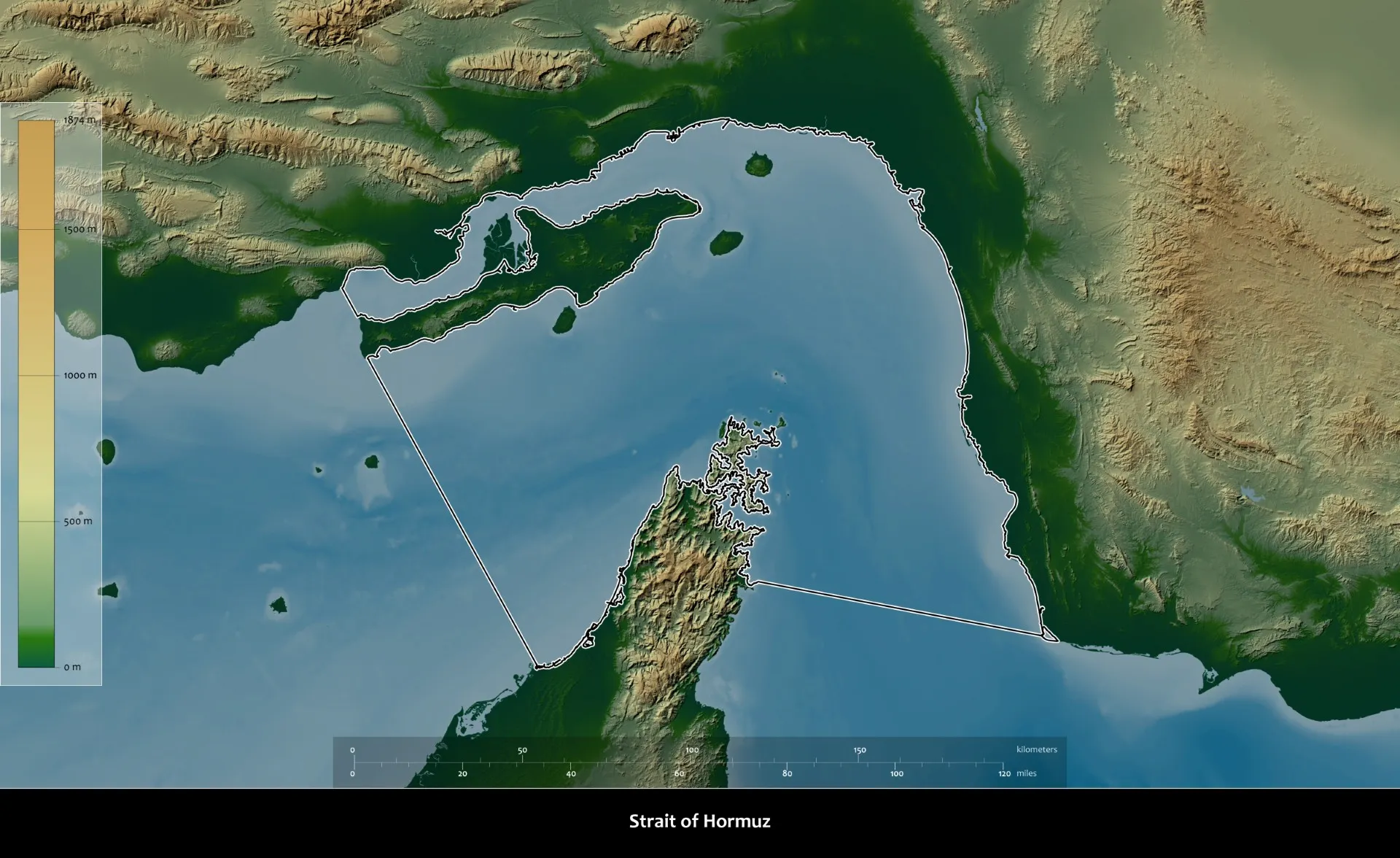
The Arabness of Hormuz Strait: The Name, the Land, and the People
The Strait of Hormuz is, in the modern imagination, an energy chokepoint through which roughly a fifth of global petroleum and a comparable share of liquefied natural gas transit. Yet this narrow waterway carries a far older and more contested significance, one bearing directly on questions of identity, sovereignty, and historical legitimacy in the Arabian Gulf.1 This study addresses three questions and resolves each on the basis of the documentary and archaeological record.
First, it traces the origin of the name “Hormuz”, surveying the principal etymological theories, subjecting each to critical scrutiny, and arriving at a reasoned synthesis. Second, it reconstructs the history of the Arab population on both shores of the Strait, marshalling demographic and documentary evidence to show that the enduring human substrate of the region was Arab throughout recorded history, while Persian authority was characteristically a governing superstructure rather than a settled population. Third, it situates the Battle of Chains and the defeat of the Sasanian commander Hormuz in its correct chronological place within that continuum and corrects the popular but mistaken belief that the Strait was named after him.
The central finding is that the Strait of Hormuz, far from being a frontier dividing an Arab world from a Persian one, functioned for five millennia as a connective maritime highway whose permanent population was overwhelmingly Arab in character, even during the long intervals in which a Persian imperial umbrella claimed nominal sovereignty over its northern littoral.

Programmes
4 Jun 2026
Trump, Tariffs, and the Revolt of the American Farmer
By mid-2026, the US agricultural sector stands at a critical juncture where macroeconomic shocks intersect with geopolitical repercussions and sharp shifts in domestic trade policy. This has been reflected acutely in the traditional political alliances of rural America—which have historically constituted a formidable electoral stronghold for the Republican Party and, in particular, for President Donald Trump—as they undergo deep structural fractures that continue to widen, driven by the direct economic effects of stringent protectionist trade policies, disruptions to the regulatory framework governing biofuels, and regional conflicts that have combined to erode profit margins and undermine farmers’ confidence in the current system.
To understand the roots of this crisis, it is necessary to examine the nature of the implicit economic contract between the current Republican administration and its rural base. Historically, the government’s strategy rested on a two-dimensional approach: engineering stringent industrial tariffs to protect the domestic manufacturing base, while simultaneously attempting to insulate the agricultural sector from the adverse repercussions of these policies through the injection of exceptional federal support packages. However, the dynamics of 2025 and 2026 have undermined the wager on the sustainability of this equation. The economic strain generated by this dual approach translated into tangible political mobilisation, the effects of which were clearly reflected in opinion polls and primary-election indicators that came as a shock to the Republican camp.
Building on the foregoing, and with the crisis shifting from the economic sphere to the arena of electoral contestation, this analysis seeks to dissect the deep economic drivers that have produced the current state of agricultural frustration, evaluate the effectiveness of government measures in the areas of trade and energy, and assess the extent of the shift in the political calculations of rural voters. Drawing on a systematic reading of quantitative indicators and an examination of the results of the Iowa primary elections, this analysis attempts to anticipate the trajectory of this discontent: does it merely represent a temporary wave of backlash-driven anger, or is it laying the foundations for a broader political realignment capable of reshaping the balance of power in Washington ahead of the midterm elections?

Programmes
19 May 2026
The Collapse of Trust in the Digital State
For decades, the systems that governments, banks, universities, and public institutions built to verify who someone is rested on a single foundational assumption that personal information, documents, and physical characteristics were difficult to convincingly fake. A Social Security number combined with a date of birth and a driver's license was, for most practical purposes, enough to establish identity.
That assumption has now been broken. The US recorded its highest number of data breaches in 2025 since tracking began, identity theft reports to the Federal Trade Commission rose nearly 20% year over year, and global fraud losses now exceed $534 billion annually. Generative AI, the same technology powering productivity tools and creative applications across the economy, has become a force multiplier for those seeking to deceive digital systems at scale. The speed, sophistication, and accessibility of these tools mean that the problem is no longer confined to the margins of financial crime. It has moved to the centre of a broader question about whether the digital infrastructure modern states depend on to function is as reliable as they have assumed.
Programmes
11 May 2026
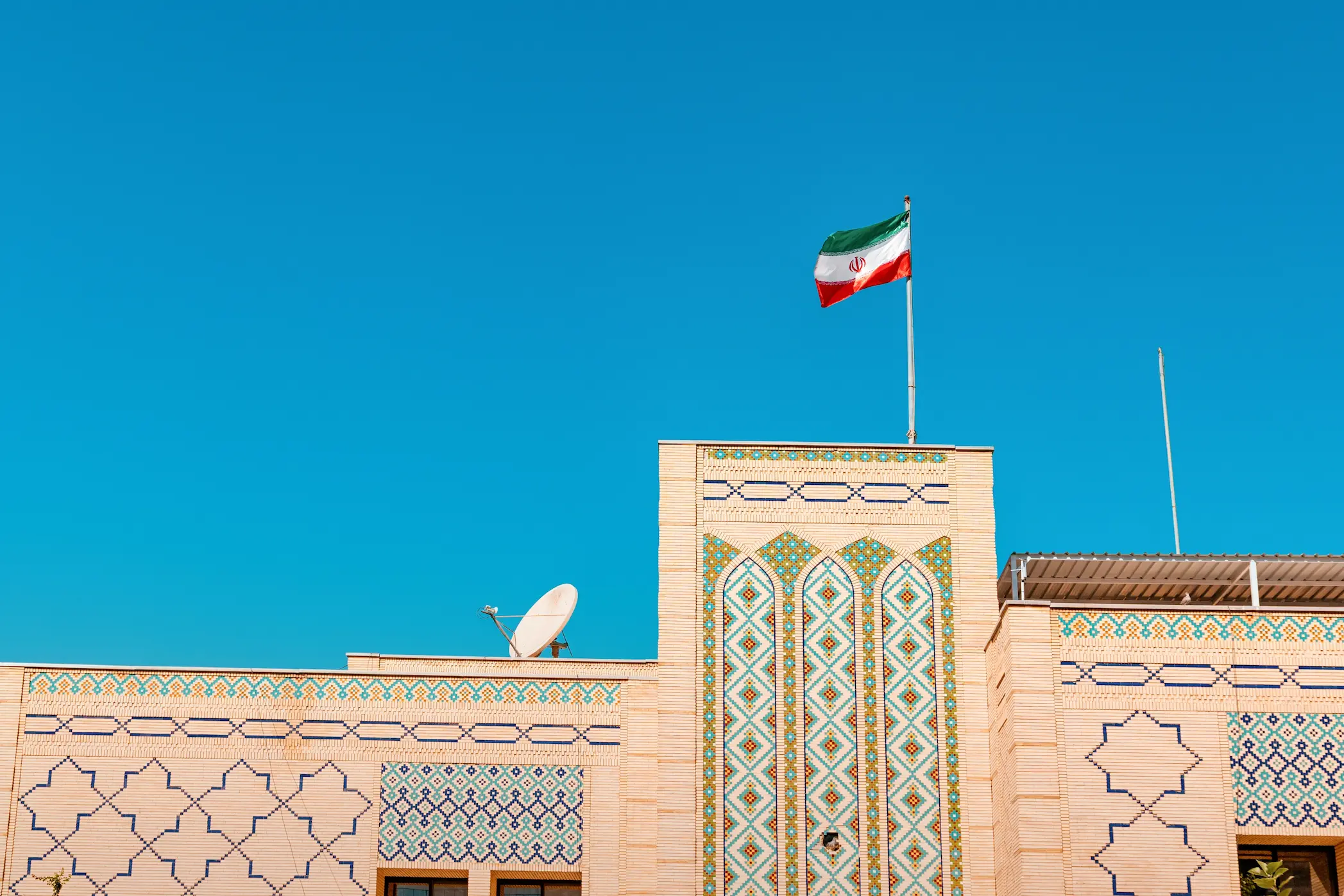
Divisions in Tehran: How the War Is Reshaping Internal Power Centres
Divisions among Iranian officials became increasingly evident in late April 2026. The hardline faction opposes making any concessions in the ongoing negotiations with the United States and insists that the nuclear programme be excluded entirely from the negotiating agenda. Another, even harder-line faction rejects entering negotiations altogether. By contrast, the moderate faction advocates engagement in nuclear negotiations while remaining committed to the principles of the Islamic Revolution. This camp recognises that negotiations could contribute to the partial lifting of sanctions and help alleviate the economic hardships facing citizens amid the country's continuing economic decline. It also views an end to the war as a strategic necessity, particularly given the strain placed on Iran's military capabilities and the loss of senior leadership figures.
These divisions have also become increasingly visible within the Iranian regime’s diplomatic apparatus. Contradictory statements were issued by members of the same Iranian delegation during a visit to Islamabad on 23–24 April 2026. These disagreements raise direct questions about the future trajectory of both the negotiations and the war, while highlighting the potential scenarios that could emerge from the growing divisions within the Iranian regime itself.

Programmes
4 May 2026
The Consequences of Social Media and Memes as a Theatre of War
War is often fought on numerous battlefronts with state of warfare constantly evolving. In the case of the US-Israel-Iran War, drone and economic warfare are primarily tools of battle between the warring sides with the possibility extension to the seas following President Donald Trump’s proclamation of a naval blockade on the Strait of Hormuz. Although the primary theater of war in this conflict has been the skies with an impending theater about to open in the seas of the Gulf, there is another more unconventional theater that has been operating since the beginning of the war, the theater of social media. Since the beginning of the war both the US and Iran have used memes and social media platforms such as X and Instagram as propaganda tools to attack each other’s credibility and shift the war narrative in their favor by engaging wider audiences.
The purpose of this analysis is to explore the idea behind how social media and memes opened a new theater of war between the US and Iran since the start of hostilities in February 2026 and its consequences. This exploration is based on the idea the use of social media and memes transforms the individual from a spectator to active participant in the conflict, while also normalizing violence through humor. Moreover, by transforming social media into a theater of war, the belligerents transform the concept of war into an aesthetic, especially through the US military and White House’s use of social media and memes.
Programmes
29 Apr 2026
War, Pressure and Policy: Europe’s Gradual Turn on Israel
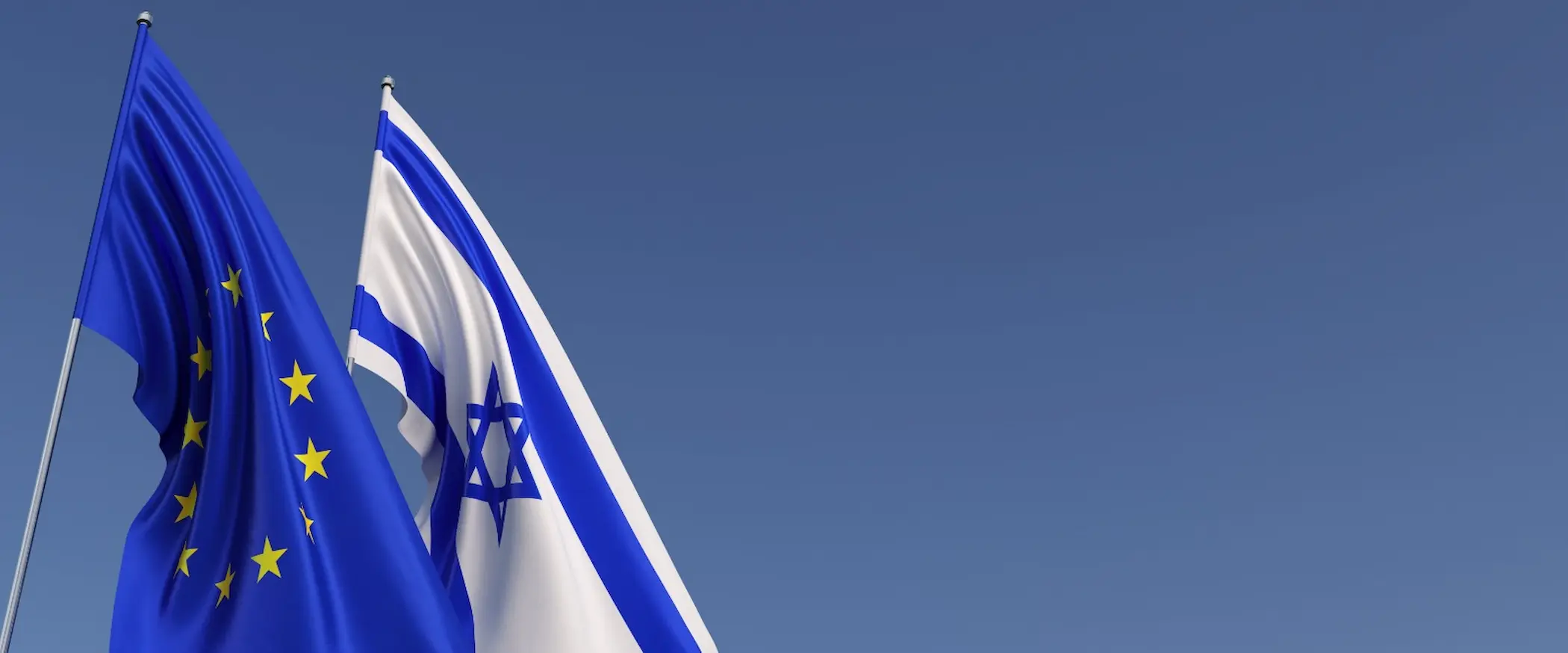
In recent years, European perceptions of Israel have undergone a noticeable shift, driven primarily by the war on Gaza following the events of 7 October 2023. What began as growing unease has gradually translated into a marked decline in public favourability across Europe, with many viewing Israel’s military response as disproportionately severe. This transformation in public sentiment, however, has not been immediately mirrored at the political level. European leaders have largely maintained a cautious and diplomatic posture, continuing to balance expressions of concern with longstanding commitments to “Israel’s right to self-defence”. That stance has begun to erode more recently. The regional escalation involving Iran has introduced direct economic and strategic pressures on Europe, prompting a more assertive, albeit still measured, response from policymakers. At the same time, political changes within Europe, including the emergence of leaders less firmly aligned with Israel, such as Hungary’s Prime Minister Péter Magyar, signal a gradual recalibration rather than a sudden rupture in policy.
This evolving landscape became particularly visible in late April 2026, when discussions emerged within the European Union around suspending the EU–Israel Association Agreement. Although the proposal did not advance, with key member states such as Germany and Italy blocking consensus, it nonetheless highlighted the extent to which previously unthinkable measures are now part of the policy debate. While the suspension of the agreement would carry significant economic consequences for Israel, its implementation remains constrained by the European Union’s (EU) internal political dynamics. Yet the inability to pursue this option does not imply a lack of leverage. The European Union retains a range of alternative instruments that can be deployed to exert pressure on Israel.
Programmes
28 Apr 2026
Execution for an Antenna: Starlink, Sovereignty, and Iran’s Internet Doctrine
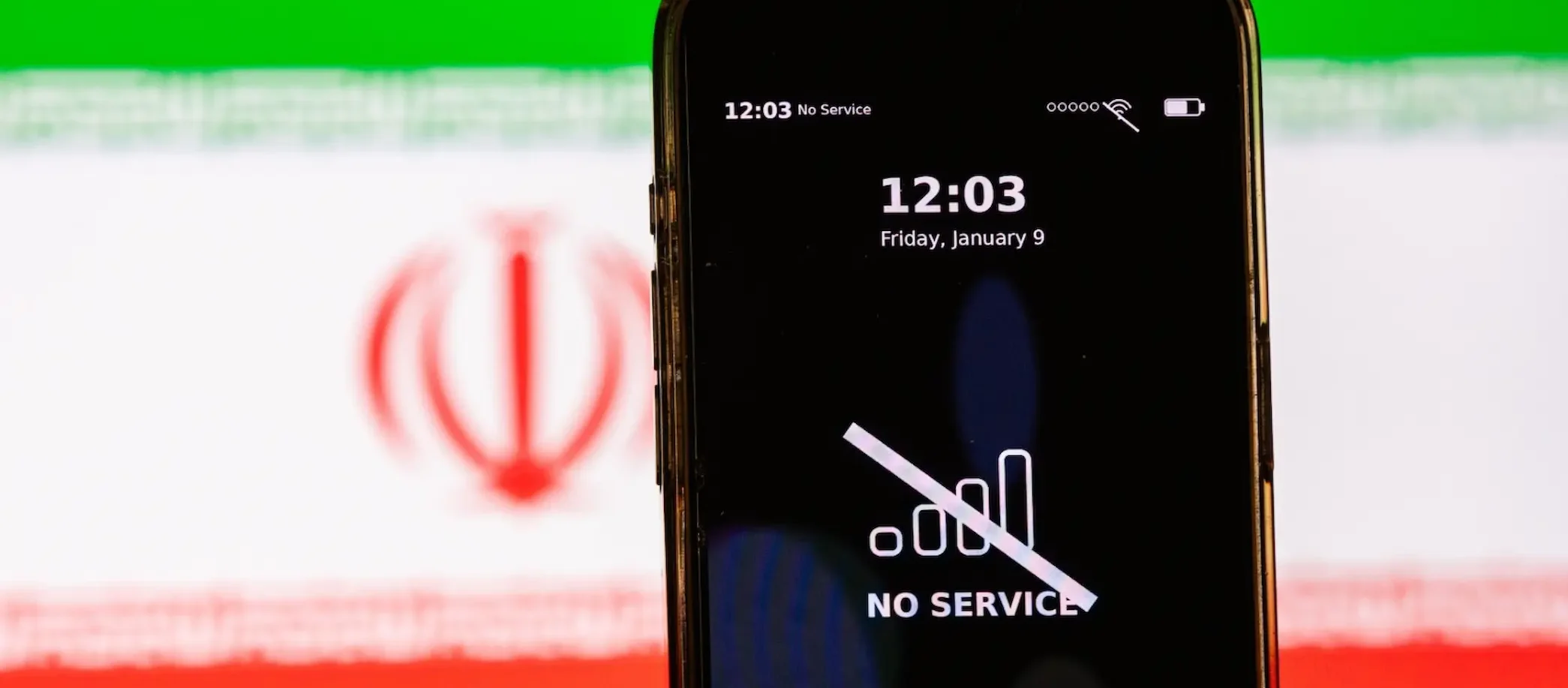
When governments shut down the internet, the standard justification is security, and the standard assumption is that the measure is temporary. Iran has tested both of those assumptions to their breaking point. Its nationwide internet blackout is now the longest ever imposed on an entire population, and Iranian authorities have simultaneously passed legislation making possession of a satellite internet terminal a criminal offence punishable by execution. These two facts are not separate policies responding to separate pressures. They are expressions of a single, long-prepared doctrine of information sovereignty, one in which connectivity is not a public utility to be temporarily suspended but a political instrument to be permanently controlled.
What Iran has built, and what it is now operating at scale for the first time, raises a question that extends well beyond its borders: when a state decides that controlling information is worth more than the economic cost of losing it, and the international system has no answer, what happens next?
Programmes
27 Apr 2026
Hungary as a Bridge: How Could Budapest become a Food Security Partner for the UAE?
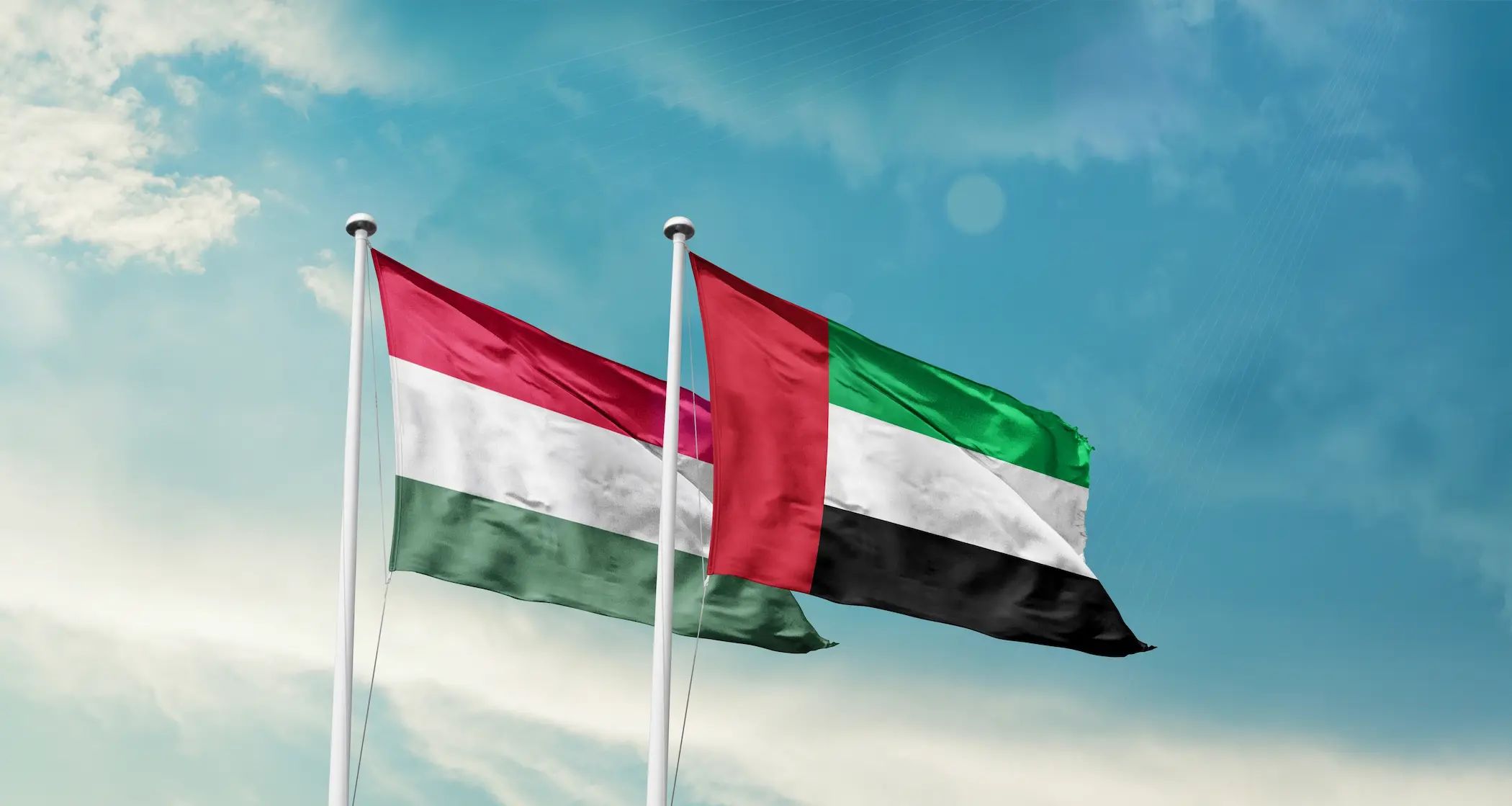
Hungary has a strong and well-developed agricultural sector. Arable land and permanent crops account for 4.3 million hectares, of which approximately 130,000 hectares are irrigated. The main crops include wheat (0.9 million hectares), corn (0.8 million hectares), and sunflowers (0.7 million hectares). While pastures cover 0.8 million hectares and forests cover 2 million hectares, livestock production includes 2.8 million pigs and 33.8 million poultry.
The country’s economy is export-dependent, so many technological advancements and the easing of financial restrictions, such as VAT, were integrated across various sectors, helping improve products and increase profits. The agricultural sectors benefited greatly from such policies, where crops and livestock exports have increased throughout the years. Agricultural exports constituted 9.1% of Hungary's total exports in 2024, including commodities like grains and grain products (13%), animal feed (12%), meat and meat products (9%), dairy products (5%), and fruits and vegetables (5%). Hungary's pioneering role in the agricultural sector increases its prospects for adopting measures to address food insecurity while increasing the benefits for any country that cooperates with it.
Programmes
23 Apr 2026
Challenging Dollar Supremacy: Is the UAE Rethinking the Dollar Order?
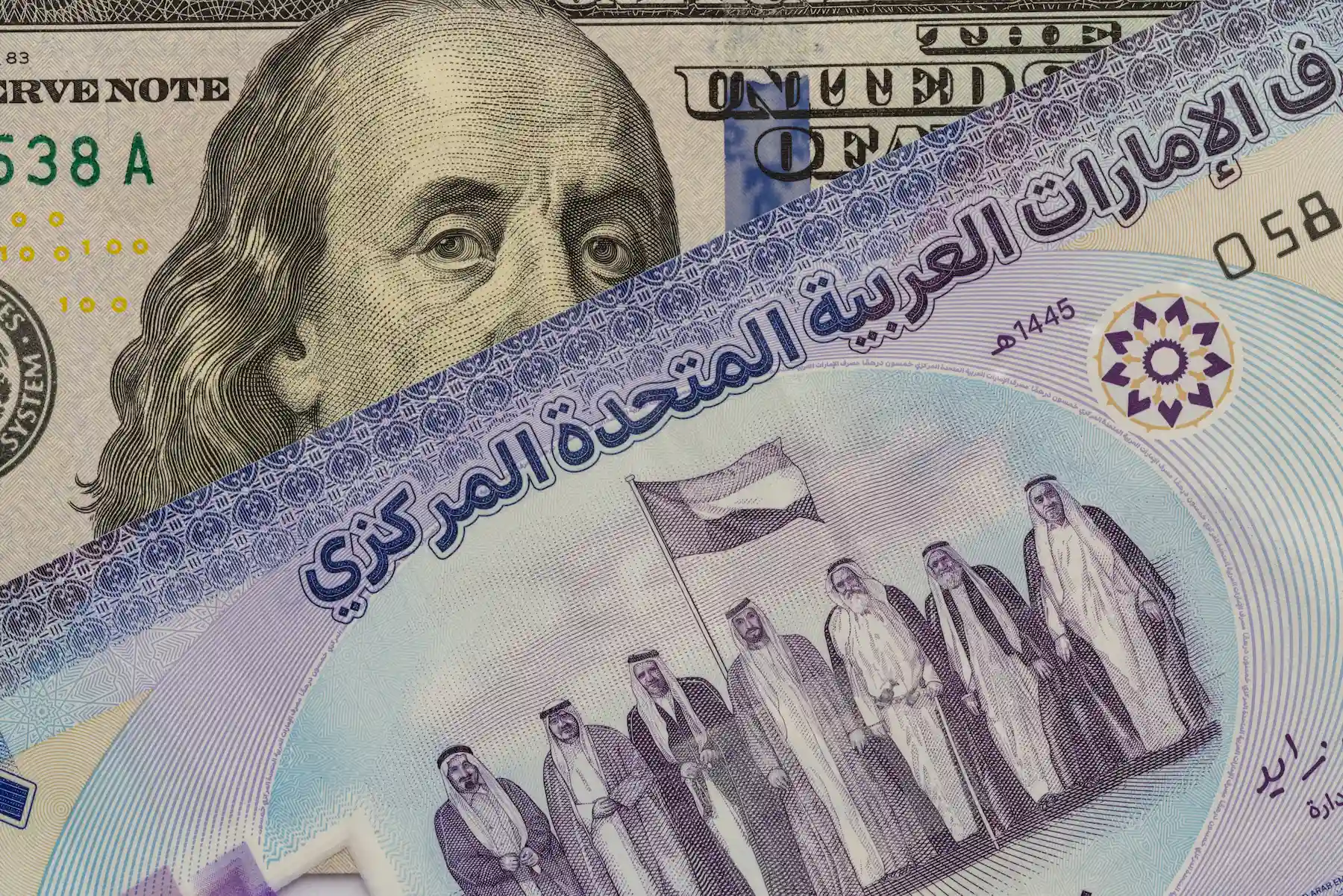
For more than five decades, the petrodollar system has served as one of the central structural pillars of American financial supremacy. Since its establishment in the 1970s, the system has anchored the United States’ monetary power by ensuring that Gulf oil exports remain overwhelmingly denominated in United States dollars. Under this arrangement, Gulf producing nations receive American security guarantees in exchange for recycling their oil revenues into US Treasury securities and dollar-denominated financial markets—a self-reinforcing cycle that has entrenched the dollar’s status as the world’s foremost reserve currency and systematically reduced American sovereign borrowing costs for decades.
The United Arab Emirates has, historically, been among the most faithful participants in this arrangement. Its national currency, the dirham, remains pegged to the USD, and its extensive sovereign wealth funds are invested predominantly in dollar-denominated assets. Nevertheless, a convergence of recent developments—an armed conflict in Iran, severe disruptions to Gulf oil exports, and an acute domestic dollar liquidity constraint—has placed the UAE at an unprecedented geopolitical and financial crossroads.