
Publications
18 Aug 2026
Shadow Leverage Issue 3: The Regional Proxy Dilemma
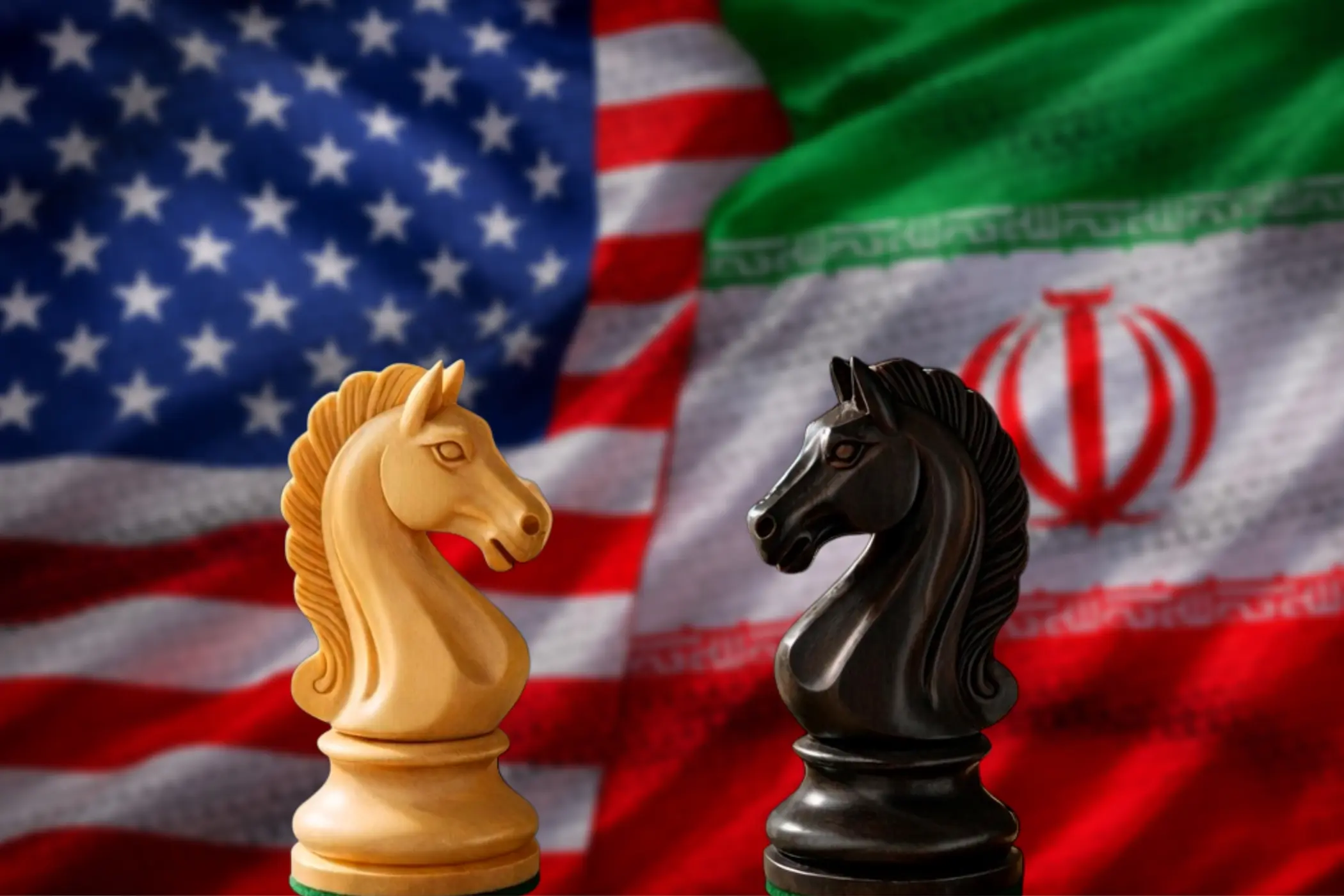
Negotiations between Washington and Tehran are entering an increasingly complex strategic juncture, with most of the 60-day timeframe established under the "Islamabad Truce" having elapsed without a decisive agreement. This has been accompanied by renewed hostilities and the Strait of Hormuz once again closing to international shipping.
These developments on the ground coincide with intensive international diplomatic efforts to contain the repercussions of an open military conflict that has clearly weighed on regional and global economic growth.
At the heart of this negotiating landscape is the conspicuous absence of the regional proxy issue from both the draft preliminary agreement and the current talks. Rather than signalling that the issue has been sidelined, this absence raises fundamental questions about the future of the complex network that has for decades formed a central pillar of Iran's deterrence doctrine.
Current political dynamics suggest the proxy issue is no longer a secondary matter that can be deferred or ignored. Instead, it has become a structural fault line that cuts across each side's conception of security and stability, as well as the limits of any viable settlement.
Its exclusion from the initial formulations reflects a clear recognition of how difficult it would be to incorporate the issue without directly confronting red lines at the intersection of Iran's deterrence doctrine, the US vision of regional security, and Israel's efforts to translate military pressure into irreversible negotiating gains.
The dilemma takes on even greater significance in light of recent macroeconomic analyses indicating that the costs of proxy involvement have extended well beyond direct military losses, striking at the heart of the global economy. Proxy-related operations along critical maritime corridors, particularly in the Red Sea, have severely disrupted supply chains and inflicted tens of billions of dollars in losses on international trade through unprecedented surges in shipping and insurance costs. They have also created unconventional threats to the security of digital infrastructure, most notably subsea fibre-optic cable networks.
Security experts emphasise that the structural attrition the Axis of Resistance suffered during the intense confrontations of 2024 and 2025 prompted Tehran's leadership to reassess its tactics and instruments, but not to abandon them.
The crisis stems from a fundamental divergence in the actors' perspectives. Iran regards its network of proxies as a forward line of defence and an integral component of its national security, integrating these groups with its missile and drone capabilities. Washington and Tel Aviv, backed by regional powers, by contrast, view dismantling and disarming these groups as a mandatory precondition for any new regional security architecture.
This reality places the proxy issue at a critical intersection between three complex levels: Iran's pursuit of strategic depth for its defence; US efforts to neutralise sources of asymmetric threat; and regional and international concerns that link market stability and freedom of navigation to ending the activities of these groups around maritime chokepoints and in the Eastern Mediterranean. Any settlement that fails to define the place and functions of these proxies would therefore amount to little more than a fragile truce vulnerable to rapid erosion.
This section examines the divergent perspectives of the key actors on the regional proxy crisis. It assesses how these competing positions may clash or converge behind closed doors at the negotiating table. The paper asks a central question: will these discussions translate into strategic trade-offs that underpin a comprehensive and sustainable settlement, or will divergence between the parties' red lines reduce the anticipated agreement to little more than a temporary tactical freeze before an even more violent round of conflict?
This issue was written on August 2, 2026
Programmes
17 Aug 2026
The Security Puzzle: What Will Shape Southern Lebanon’s New Order?
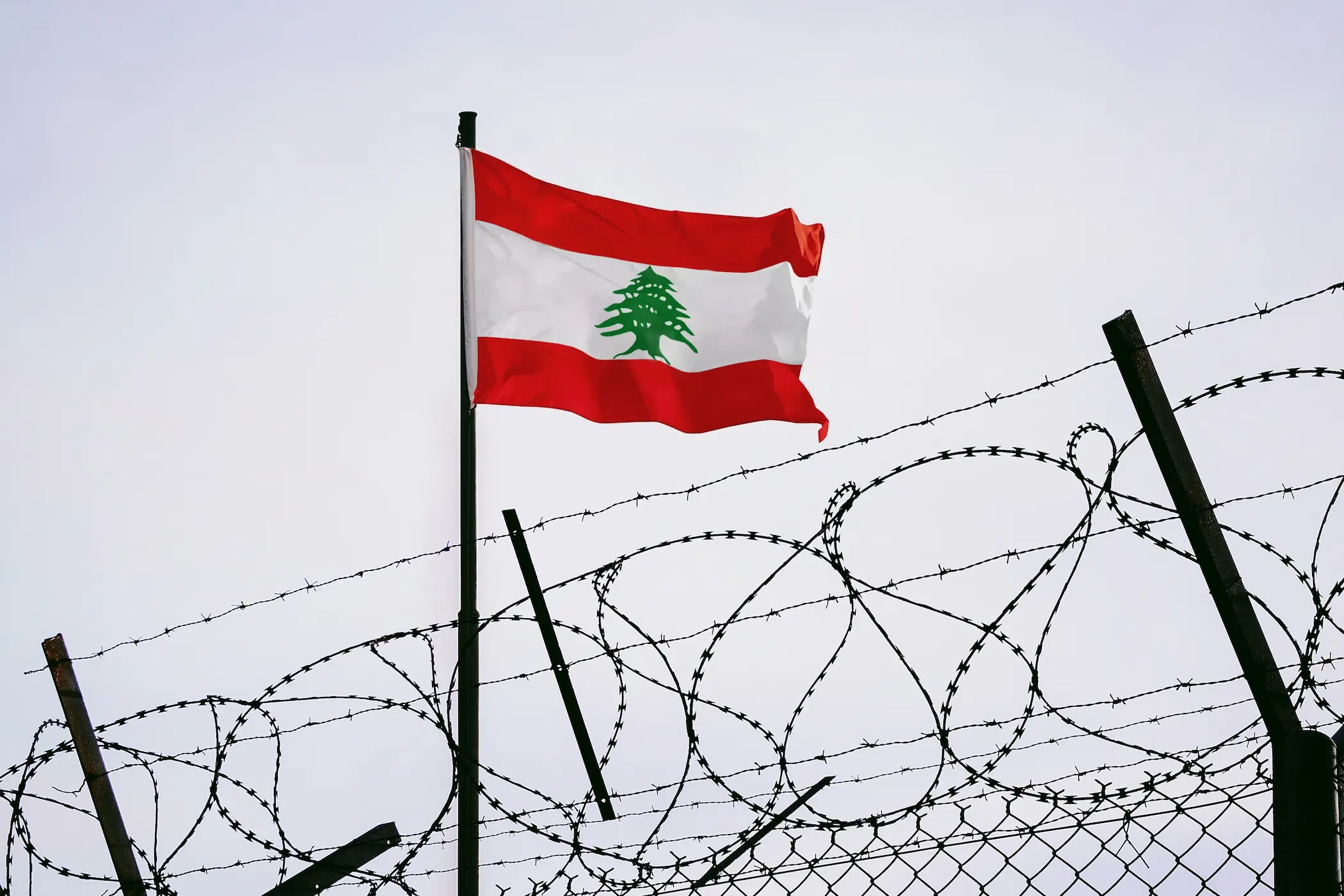
Southern Lebanon is undergoing a shift from a traditional peacekeeping framework to a more complex security system, where the Lebanese state, international actors, and new verification mechanisms can share responsibility for achieving and maintaining security. The June 2026 Trilateral Framework Agreement and the August 2026 Rome talks may provide the political start point for this shift, but they don’t determine its outcome. The crucial question is whether the emerging system can establish a sustainable security, or whether the region will remain involved in an externally managed deterrence system.
The United Nations Interim Force in Lebanon (UNIFIL)/UN Security Council Resolution 1701 framework provides the institutional basis for the current transition, but its peacekeeping model was not designed to independently enforce a comprehensive disarmament process or to compel the state to dismantle deeply entrenched non-state actors. Accordingly, its limitations were structural as it couldn’t guarantee exclusive state control over weapons, prevent the rebuilding of non-state actors armed capabilities, or resolve compliance disputes. Consequently, the challenge for the new security architecture is not simply to replace UNIFIL, but to establish mechanisms capable of performing functions that the previous framework could not fully provide.
The signing of the U.S.-supported Trilateral Framework Agreement between Israel and Lebanon on 26 June 2026 appeared, at first sight, to open a path toward a comprehensive peace agreement through ending Israeli military operations in Lebanon and restoring Lebanese sovereignty. However, continued ceasefire violations, the delay in the Israeli withdrawal, and Hezbollah’s refusal to disarm have created obstacles to comprehensive peace in Lebanon. With talks in Rome between Lebanon and the United States in August, expectations have emerged that a genuine negotiation process may begin, potentially helping shape the security order in southern Lebanon.
The question of a new security order is becoming increasingly important in light of recent developments, such as discussions over the establishment of U.S.-backed “pilot zones,” the expansion of the Lebanese Army’s deployment, the future of the UNIFIL, as well as discussion of new international mechanisms to monitor and enforce security arrangements. Accordingly, the future of southern Lebanon should not be viewed as a binary choice between Hezbollah and the Lebanese state. Rather, the indicators point to the emergence of three competing security models that could replace the existing security model. The question becomes whether southern Lebanon is moving toward a state-led security system, an internationally supported security framework, or a retreat from the security developments on the ground, with prolonged managed deterrence continuing to prevail.

Programmes
13 Aug 2026
Three Decades of Absence: Why Have Arabs Been Shut Out of the UN’s Top Job?
Since Egyptian diplomat Boutros Boutros-Ghali left office as UN Secretary-General in 1996, after a US veto blocked his bid for a second term, no Arab has held the organisation's highest office for nearly three decades. This prolonged absence is neither a matter of chance nor, as some suggest, the result of a lack of Arab diplomatic expertise or competence. Rather, it stems from the interplay between the UN's complex selection process and the calculations of global powers, which together create a barrier to the emergence of new Arab candidates for the organisation's leadership.
The roots of this problem lie in the UN's regional group structure and the rules governing geographic rotation. The selection process does not treat Arab states as a single geographic bloc, but divides them between the "African Group" and the "Asia-Pacific Group". This division dilutes Arab voting strength. When it is Africa's or Asia's turn to put forward candidates for the post, Arab contenders must compete with major states that wield considerable political influence and demographic weight within their respective regions, making it difficult to secure the regional backing and consensus required for a successful candidacy.
Alongside this internal division, divisions among the major powers on the Security Council play a decisive role. The Middle East and North Africa is a key arena of great-power competition, subjecting any Arab candidate to intense political scrutiny by the five permanent members. Since securing the post necessarily requires avoiding a veto from any one of them, identifying a candidate acceptable to all the competing powers becomes exceptionally difficult, particularly as each contender is assessed in light of their country's international relationships and global alignments.
This analysis therefore seeks to unravel the reasons behind this prolonged absence. Does the reluctance of Arab capitals to enter the race in recent decades reflect a retreat and an acknowledgement of diplomatic limitations, or does it instead represent a tactical withdrawal and a calculated strategic decision to avoid electoral contests whose rules are structured in ways that effectively exclude candidates from regions at the fault lines of intense geopolitical rivalry?

Programmes
27 Jul 2026
Trump’s Prize: How the July 2026 Tariff Package Installed the Middle East as a Global Manufacturing Hub
The global trading system underwent a fundamental transformation in July 2026, as the United States abandoned limited sector-specific protection in favour of a complex, multi-tiered tariff architecture that turned access to its domestic market into an instrument of economic and political pressure. Four major decisions converged within that single month. The first was the outright repeal of the de minimis exemption, which had allowed small consignments valued below eight hundred dollars to enter the country duty-free. The second was the application of the Section 301 forced-labour tariffs across two distinct bands, imposing 10% and 12.5% according to the compliance record of each partner state. The third was the activation of Section 338, a statutory provision that had lain dormant since the 1940s, to levy 50% duties on a range of Canadian goods. The fourth was the approval of a phased escalation reaching 200% on imports of generic pharmaceuticals.
The consequences of this package extended well beyond the raising of customs duties. They amounted to a comprehensive re-engineering of rules of origin and customs compliance requirements, which in turn altered the cost calculus of every manufacturer and supplier across global supply chains. This new reality pushed firms to search for alternative routes designed not merely to reduce transport costs, but to change the identity of the country of origin itself and so escape punitive duties. That search is precisely what turned the Middle East from a transit corridor into an industrial and logistical node positioned to play a pivotal role on the new map of world trade.
This analysis therefore aims to unpack the effects of the July 2026 package across three connected levels: its domestic cost to the American economy in terms of inflation, compliance friction and the feasibility of reshoring; the realignment of trading partners and the trade diversion and origin leakage that follow from it; and finally its direct implications for the economies of the Middle East and North Africa, together with quantitative estimates of price, investment and shipping trends through the end of the decade.
Programmes
23 Jul 2026
Bab al-Mandab at the Heart of the Crisis: Will the Houthi Blockade Push Pakistan into a Confrontation with Iran?
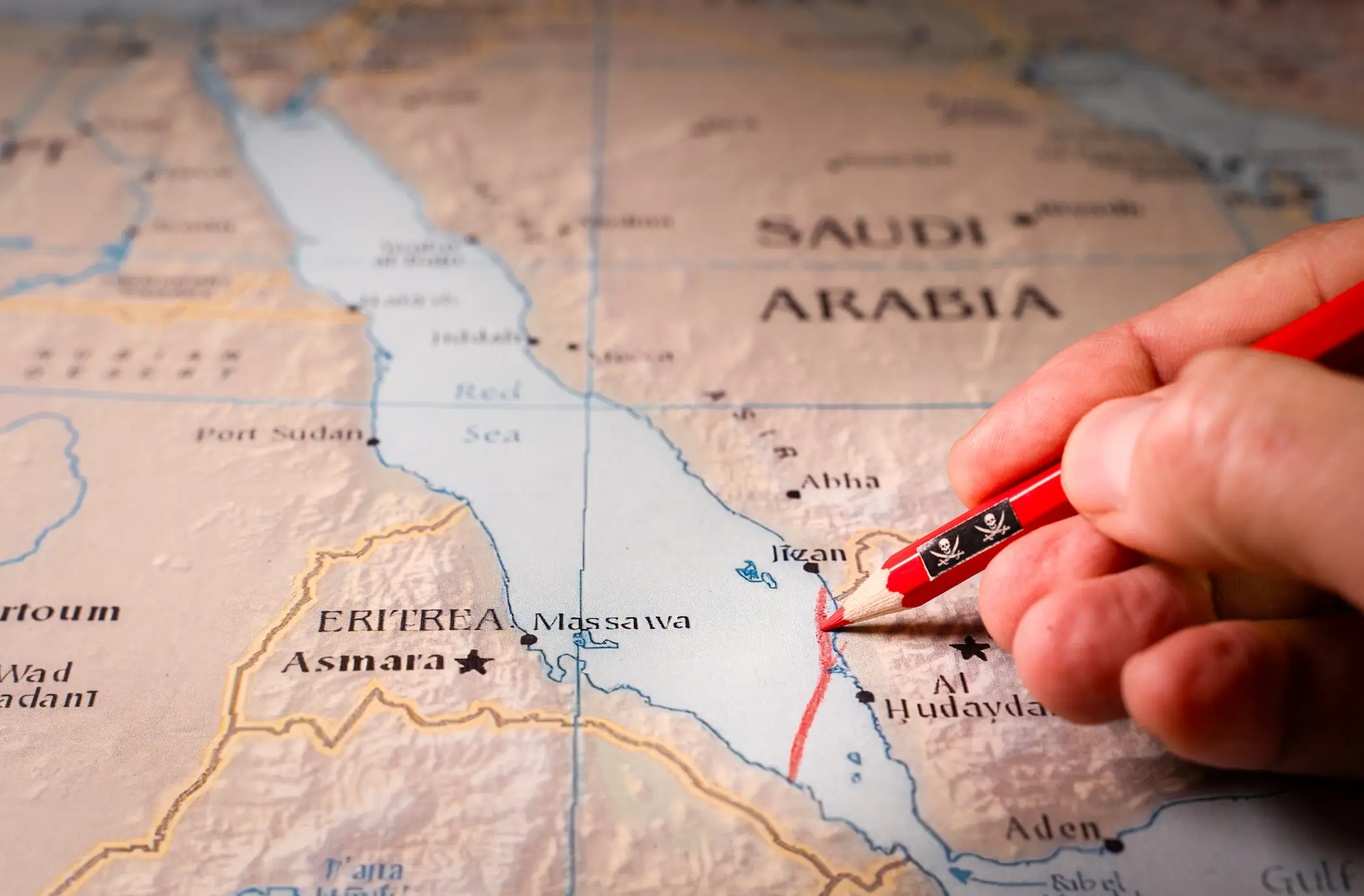
The Middle East is witnessing a new geopolitical crisis centred on the Bab al-Mandab Strait after Yemen’s Houthi movement announced on 20 July 2026 the imposition of a naval blockade on the Kingdom of Saudi Arabia, in application of a principle the group terms “blockade for blockade”. The measure comes as a direct response to the restrictions Saudi Arabia has placed on the airports and ports lying under Houthi control, most notably Sanaa Airport and the ports of Hodeidah, and the decision followed a military escalation that included strikes on Sanaa Airport and the launching of missiles and drones towards Saudi airports.
Through this closure the Houthis seek to transfer the cost of the blockade from the Yemeni interior to a corridor vital to Saudi Arabia in the Red Sea and the Bab al-Mandab Strait, by closing the strait to vessels flying the Saudi flag or bound for the Kingdom. The closure also coincides with the disruption affecting the Strait of Hormuz as a result of the ongoing Iranian–American war, where the Revolutionary Guard’s interception rate of vessels transiting the strait has reached some 89 per cent. This has driven the Kingdom over the past four months to reroute its oil exports westwards, moving 4.5 million barrels of oil a day through a pipeline to the port of Yanbu on the Red Sea in order to provide an alternative passage, an increase of close to fivefold on the period before the war began.
On another front, Pakistan faces a complex strategic position as a result of these developments, since Islamabad is bound by a mutual strategic defence agreement with the Kingdom of Saudi Arabia signed in September 2025, alongside the presence of Pakistani forces stationed in the Kingdom. The agreement stipulates that any aggression against either state is deemed an aggression against the other, while Islamabad simultaneously performs the role of diplomatic mediator between the United States and Iran, having sponsored the signing of a ceasefire memorandum of understanding between the two parties in June 2026. In this context, Pakistani officials regard attacks on Saudi Arabia as a red line, which makes the naval blockade not merely a problem touching Saudi security but a direct test of Pakistan’s ability to balance its role as mediator with Tehran against its military commitments towards Riyadh. This tension places the Pakistani leadership before a clear challenge and raises an important question as to whether it will persist in its neutral position, or move towards a firmer stance should the crisis develop into a regional confrontation affecting the interests of its Saudi partner.
Programmes
23 Jul 2026
Closure Upon Closure: The Potential Impact of Houthi Threats to Saudi Shipping at Bab al-Mandeb
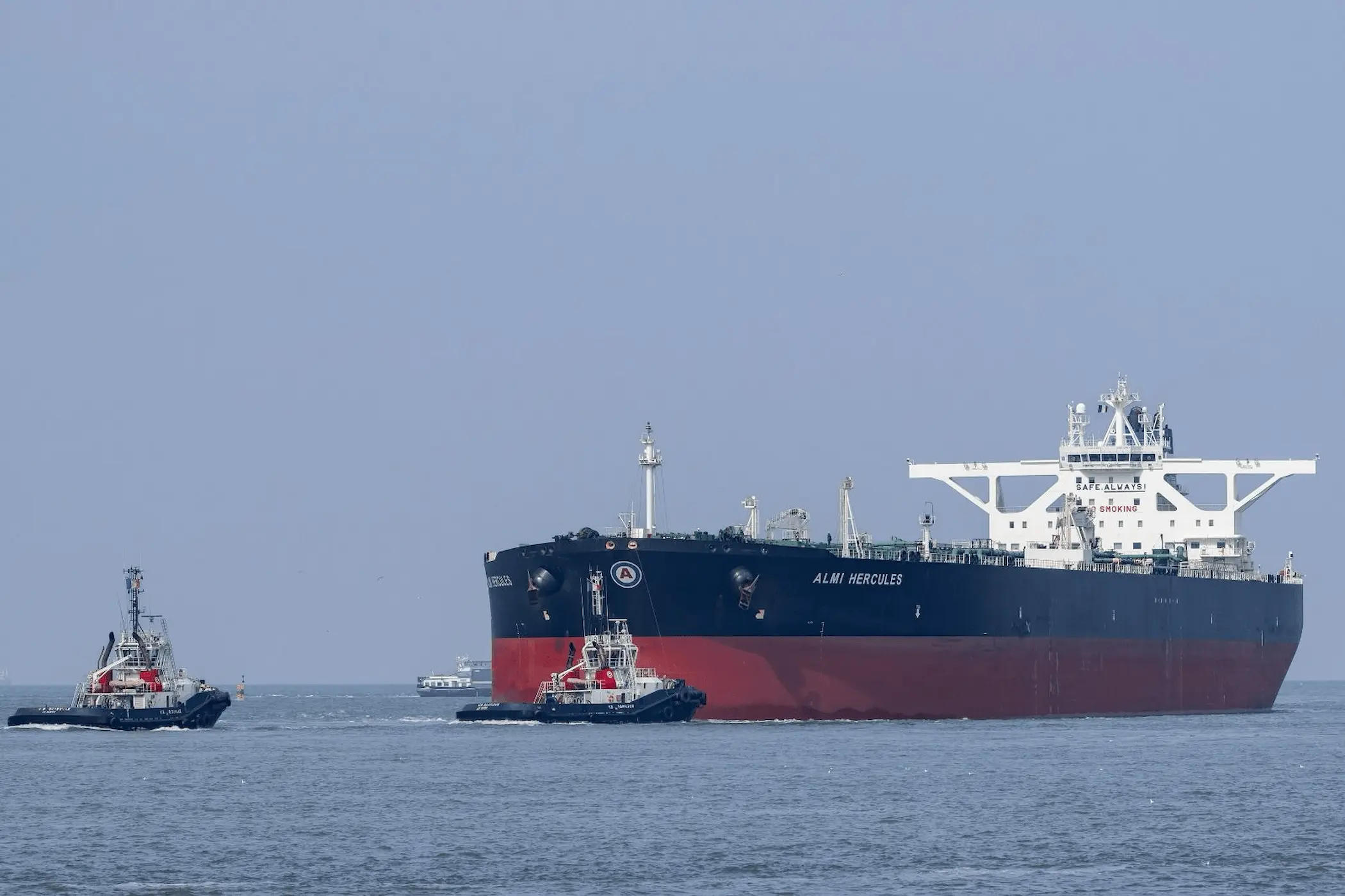
The events of 2026 have placed global energy markets before an unprecedented test of their resilience. When the effective closure of the Strait of Hormuz in February removed roughly 13 million barrels per day (mb/d) from available supply, Saudi Arabia redirected most of its exports westward to the Red Sea — only to find that outlet itself imperiled when, on 20 July, the Houthis threatened a naval blockade of the Bab al-Mandeb strait aimed squarely at Saudi shipping. For the first time in its modern history, the Kingdom's oil found itself exposed between the two maritime corridors it straddles, and the question “What if navigation through Bab al-Mandeb is severed?” shifted from a theoretical exercise to an operational probability. The answer, however, is not a single figure: it hinges on the scale of the shortfall, the nature of the cargo held back, and the market's capacity to reroute it.
This analysis therefore sets out to quantify the impact of a Bab al-Mandeb closure across three graduated halt scenarios; to unpack the mechanism by which the shock travels from cargo entrapment to a price spike; to trace its non-price consequences for refined products, aviation, and maritime shipping; and to arrive at the fiscal paradox that leaves the gravest harm to Saudi Arabia latent in the intermediate scenario rather than the full halt.
Publications
21 Jul 2026
Shadow Leverage Issue 2: The Ballistic Missile and Drone Dilemma
Iran's missile programme and drone arsenal constitute one of the Middle East's principal security determinants. Before the outbreak of military hostilities in February 2026, Iran possessed the region's largest stockpile of ballistic missiles. Estimates varied, placing its inventory at between 2,500 and 6,000 long-range missiles capable of striking deep inside Israel at speeds approaching 17,000 kilometres per hour. This coincided with Tehran consolidating its position as a leading developer of drones, particularly the various Shahed models, the Karrar series, and the latest Kaman variant unveiled in January 2026.
The strategic significance of these capabilities became evident during the war, when they became a top priority for U.S. and Israeli strikes. Production facilities, storage sites, and launch platforms were targeted in an effort to degrade Iran's deterrent capabilities and neutralise the threat they posed to Israel. This military escalation was consistent with the pre-war U.S. position, which had signalled its intention to prevent Tehran from acquiring ballistic missiles and stressed the need to incorporate this issue into the nuclear negotiations. In practice, this was reflected in the simultaneous targeting of the infrastructure underpinning both the missile and nuclear programmes.
However, the launch of the negotiation process introduced a new strategic dimension to the issue through the Islamabad Memorandum. Contrary to expectations that Iran's military capabilities would be incorporated into the initial agreement, both the missile and drone programmes were excluded from the preliminary understanding.
The Trump administration subsequently announced a departure from its previous position, stating that it was not seeking to prevent Tehran from rebuilding its missile capabilities, citing Iran's sovereign right to self-defence. This shift reflects a strategic trade-off based on temporarily overlooking the missile programme in exchange for containing the nuclear programme and restricting the funding of armed groups across the region.
This exclusion is not merely a procedural feature of the negotiations. Rather, it raises fundamental questions about the trajectory of the sixty-day transitional period and the strategy each party is likely to pursue thereafter. This situation requires an assessment that goes beyond measuring battlefield losses to understand how these capabilities have evolved from mere weapons systems into a fundamental pillar of the regional balance of power, imposing themselves on regional strategic calculations.
This issue was written on July 2, 2026

Programmes
14 Jul 2026
From the Climate to the Strait of Hormuz: How Will the Next Food Crisis Begin?
Global food security has rarely faced two simultaneous structural shocks of this magnitude. The February 2026 closure of the Strait of Hormuz, triggered by the escalating US-Israel-Iran conflict, severed the world's most critical maritime corridor for energy, fertilizer, and food trade in a single blow. Thousands of miles away, El Niño, a periodic warming of the equatorial Pacific Ocean that triggers droughts, weakens monsoons, and disrupts growing conditions across the globe, is intensifying at a pace forecasters warn could make it one of the most severe events since records began.
Each shock alone would constitute a serious test for global food systems. Together, they converge on a region structurally designed to withstand neither. In 2026, both shocks are unfolding simultaneously, stacked on top of fertilizer markets already in crisis — a compounding that no previous El Niño episode has faced. The question is no longer whether they will converge, but how severe the consequences will be for a region structurally unprepared for either.
Programmes
2 Jul 2026
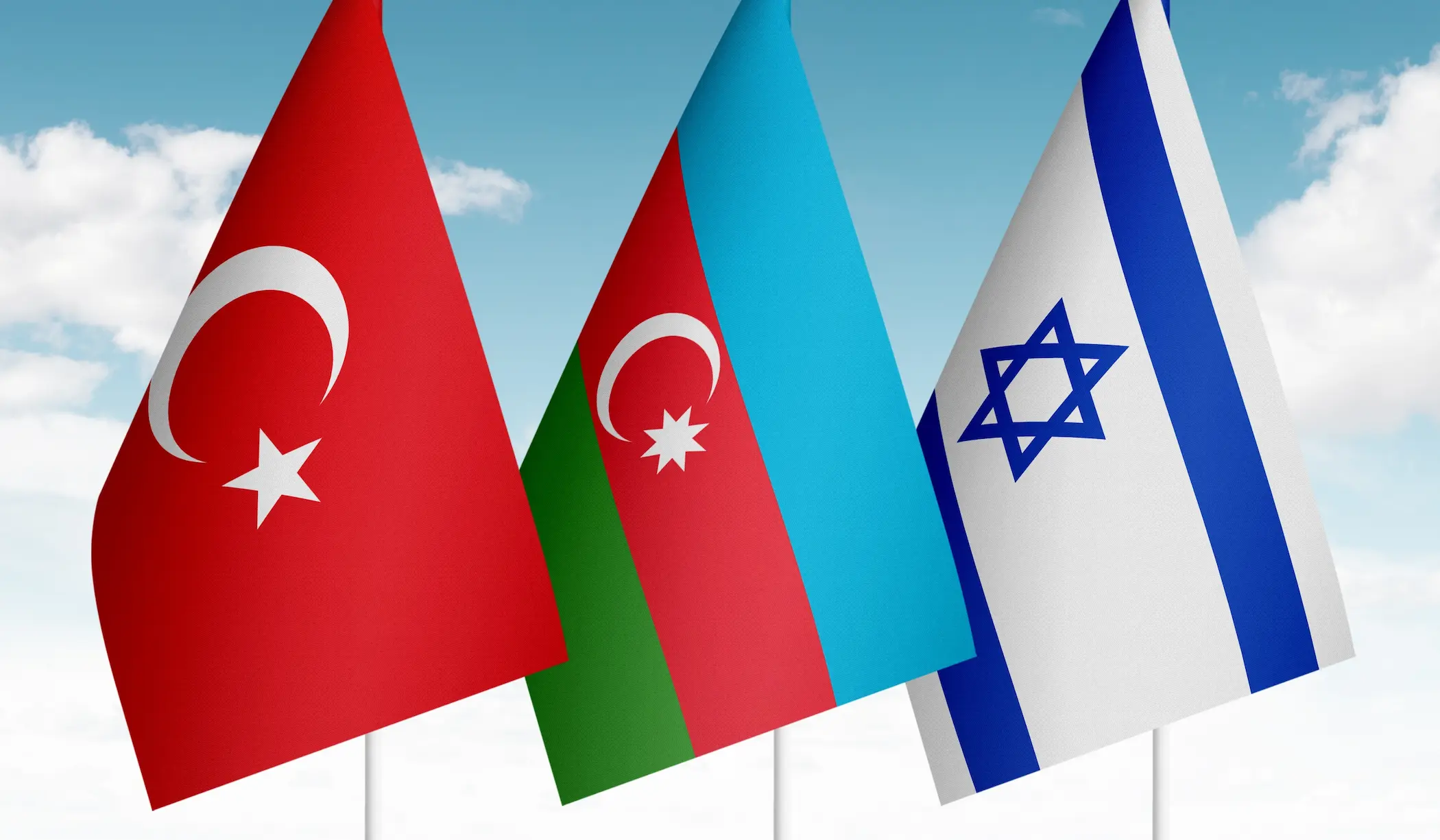
Contradictions Triangle: How Israel’s Recognition of the Armenian Genocide Reshaped the Geopolitics of the South Caucasus
For more than three decades, Israel maintained a policy of strategic ambiguity towards the Armenian Genocide, deliberately withholding formal recognition despite mounting domestic calls—from parliamentarians and academics alike—for a definitive official position. This reluctance was neither accidental nor driven by historical uncertainty. Rather, it reflected a carefully calibrated strategy aimed at safeguarding a complex web of vital national interests. Official silence helped preserve Israel's close strategic partnerships with both Turkey and Azerbaijan, secure the uninterrupted flow of energy supplies and critical trade routes, and protect its sensitive intelligence footprint along Iran's northern frontier.
That strategic equilibrium was abruptly overturned in June 2026, when the Israeli government formally recognised the Armenian Genocide. The decision triggered an unprecedented backlash from Azerbaijan, which swiftly denounced it as a distortion of historical facts lacking any legal or scholarly foundation, while demanding that Israel immediately reverse its position. At that moment, the contours of a profound strategic contradiction came sharply into focus. Although Israel presented the move as a moral and historical obligation, the broader geopolitical context pointed instead to predominantly political and retaliatory calculations. In a single decision, Tel Aviv opened itself to direct confrontation with Turkey and a quieter, yet strategically significant, rift with Azerbaijan, while simultaneously creating an opportunity for Iran to exploit the emerging fractures and weaken Israel's extensive strategic influence along its northern frontier.
Publications
1 Jul 2026
Shadow Leverage Issue 1: Why the Strait of Hormuz Has Become the Decisive Negotiating Card
The Strait of Hormuz is no longer merely a disputed maritime passage, nor simply a recurring flashpoint between Iran and the United States. It has instead evolved into a central arena for testing the meaning of sovereignty in the region. While Washington continues to regard the strait as an international waterway governed by the principle of freedom of navigation, Iran’s Islamic Revolutionary Guard Corps treats it as a sovereign zone under its direct administration, subject to military rules imposed through effective ground control. Accordingly, the core of the crisis no longer centres on the question, "Is the strait open or closed?" Rather, the more consequential question has become: what is the future of the strait in light of the ongoing negotiations?
Recent developments, particularly following the Islamic Revolutionary Guard Corps’s threat to close the Strait of Hormuz in response to what it described as violations of the terms of the memorandum of understanding, especially about the Lebanese file just days after the memorandum was signed, reveal that the issue has not been resolved but has instead grown more complex. The memorandum treated the strait as a technical issue that could be managed through arrangements governing passage and transit to prevent friction. The Islamic Revolutionary Guard Corps, by contrast, approached it as a symbol of sovereignty, power, and the right to set the rules. This divergence rendered the understanding itself incapable of resolving the underlying dispute, because the disagreement between the two sides lies not in procedural details, but in who holds the authority to determine those procedures in the first place.
Although the United States and Iran agreed to reopen the Strait of Hormuz immediately after signing the preliminary agreement, this does not necessarily mean that maritime traffic will return to pre-war levels. Implementing this provision presents complex challenges related to the mechanism for reactivating the shipping corridor, the arrangements required to resume vessel traffic, and the restrictions that may persist during the sixty days allocated to negotiate the final agreement. These challenges are further compounded by the dispute over which party will assume responsibility for regulating and managing maritime traffic through the strait. Taken together, these obstacles suggest that reopening the strait may prove one of the most complex aspects of the agreement, particularly given the ongoing divergence between the American and Iranian visions for the future control of this strategic waterway.
The crisis surrounding the Strait of Hormuz, therefore, cannot be understood merely as a dispute over borders or the passage of ships; it is fundamentally a crisis of authority: the authority to set the rules, to impose exceptions, and to exercise the final say in determining whether this waterway remains open, closed, or conditionally accessible. For this reason, the question of the strait should no longer be viewed as a secondary file within the broader Iran–United States conflict. Rather, it should be recognised as one of the most consequential issues shaping and redefining the very concept of sovereignty, both within Iran itself and in the evolving structure of relations between regional and international powers.
Publications
30 Jun 2026
The Direct and Indirect Cost of the 2026 US-Israel War on Iran
The Al Habtoor Research Centre (AHRC) presents a groundbreaking, equation-based assessment analysing the direct and indirect social and economic resource costs of the 110-day conflict that began on February 28, 2026. Utilising an advanced conflict economics framework—including the Stiglitz-Bilmes convention and counterfactual synthetic controls—this research delivers an unprecedented, exclusive analysis of the financial burdens borne by the belligerents and the wider global economy. The headline finding is one of profound asymmetry, proving that recovery capacity, rather than the size of the initial kinetic blow, dictates the medium-term cost of modern warfare. The largest financial burden fell on the global economy, specifically non-belligerent, bystander oil-importing nations, totalling an estimated $1.41 trillion by 2030. Triggered by the 110-day closure of the Strait of Hormuz, this true burden lies in unproduced global output rather than the temporary oil-price spike, which ultimately nets to zero globally. Among the combatants, Iran absorbed an existential, structural blow equivalent to roughly 81% of its pre-war output, costing $305 billion by 2030, or $720 billion on a purchasing-power parity (PPP) basis. Locked out of international capital markets, its output gap fails to close by the end of the decade, triggering a step down to a permanently lower economic path. In contrast, the United States faces a heavily back-loaded bill ranging from $200 billion to $1.1 trillion by 2030. While structurally insulated from the immediate oil shock due to its net energy exporter status, this massive range in projections depends on whether standard cash-budgeting or full multi-decade liabilities—such as veteran care, war-debt interest, and budget ratchets—are present-valued. Meanwhile, Israel sustained a sharp but recoverable macroeconomic shock of $135 billion by 2030, equal to roughly a quarter of a single year's GDP. Advanced air defense mitigated physical destruction, concentrating the cost instead on reserve mobilisation, interception economics, and a transient output gap. Ultimately, this exclusive analysis details how the poorest bystander nations subsidised the conflict's macro cost, marking the 2026 war as one of the most economically disruptive events of the century.
Programmes
29 Jun 2026
Ankara’s Defensive Rise: A New NATO Path?
Turkey’s rise as a defence-industrial power is no longer a peripheral subplot in NATO politics. It has become a structural development with implications for how the alliance equips itself, how regional powers diversify procurement, and how strategic influence is exercised between Europe, the United States, and the Middle East. While much of the public discussion around NATO still revolves around burden-sharing targets and the Russian threat, a more consequential transformation is unfolding in parallel: Turkey is building a defence-industrial corridor that links alliance demand, regional export markets, and domestic technological ambition.
The timing gives this argument unusual weight. Turkey is set to host NATO leaders in Ankara on 7–8 July 2026, a moment that places its political role and industrial trajectory under the same spotlight. That summit matters not simply because it will convene alliance leaders in the Turkish capital, but because it comes after a period in which Turkey’s defence sector has expanded in scale, deepened in sophistication, and broadened its customer base across Europe, the Gulf, Africa, and Asia.
What emerges from this trajectory is not a Turkish substitute for NATO, nor a coherent anti-Western bloc inside the alliance. It is something more complex and, in strategic terms, more significant: an alternative source of military capability inside NATO that others can increasingly use when Washington or Brussels appear too slow, too restrictive, or too politically encumbered. In that sense, Ankara is not building a rival alliance. It is building an alternative industrial lane within the existing one.