
Pacinte Abdel-Fattah serves as the Head of the Economics Unit at the Al Habtoor Research Centre, bringing extensive expertise in strategic policy oversight and high-level macro-economic analysis. Prior to her current role, she shaped national-level policy frameworks at the Ministry of Planning and Economic Development, serving as a Senior Economic Researcher and Assistant to the Minister within the Technical Office. During her tenure, she directed critical research initiatives, evaluated strategic insights from international institutions, and was a key contributor to institutional decision-making. Notably, she led the formulation of economic policy memorandums directly presented to the Prime Minister. Her executive research agenda spans global macroeconomics, political economy, investment frameworks, international trade, and the evolving digital economy. Pacinte holds an M.A. in International Business Law from Montreal University and a B.Sc. in Law from Ain-Shams University in Egypt.

Latest By Pacinte Abdel-Fattah

The Heat Economy: Assessing the Economic Toll of Europe’s 2026 Heatwaves

Fired by AI, Rehired by Reality: What Does That Mean for the Rest of Us?

The New Economics of Security: Priced for Permanence in a Fragmented World

Kharg Island: The Point of No Return
Iran’s Fragile Economic Adaptation Under Military Pressure

Countdown to Famine: Will the Strait of Hormuz Lead Iran into a Severe Food Crisis?

Is AI a Catalyst for Economic Growth?

De-dollariaztion: What It Means for the US Economy

Balancing Talent and Identity: The GCC’s Labor Market Test

UAE’s New Trade Bloc: Ambition, Global Positioning, and Challenges

AI’s Crossroads: Decoding the Middle East’s AI Transformation
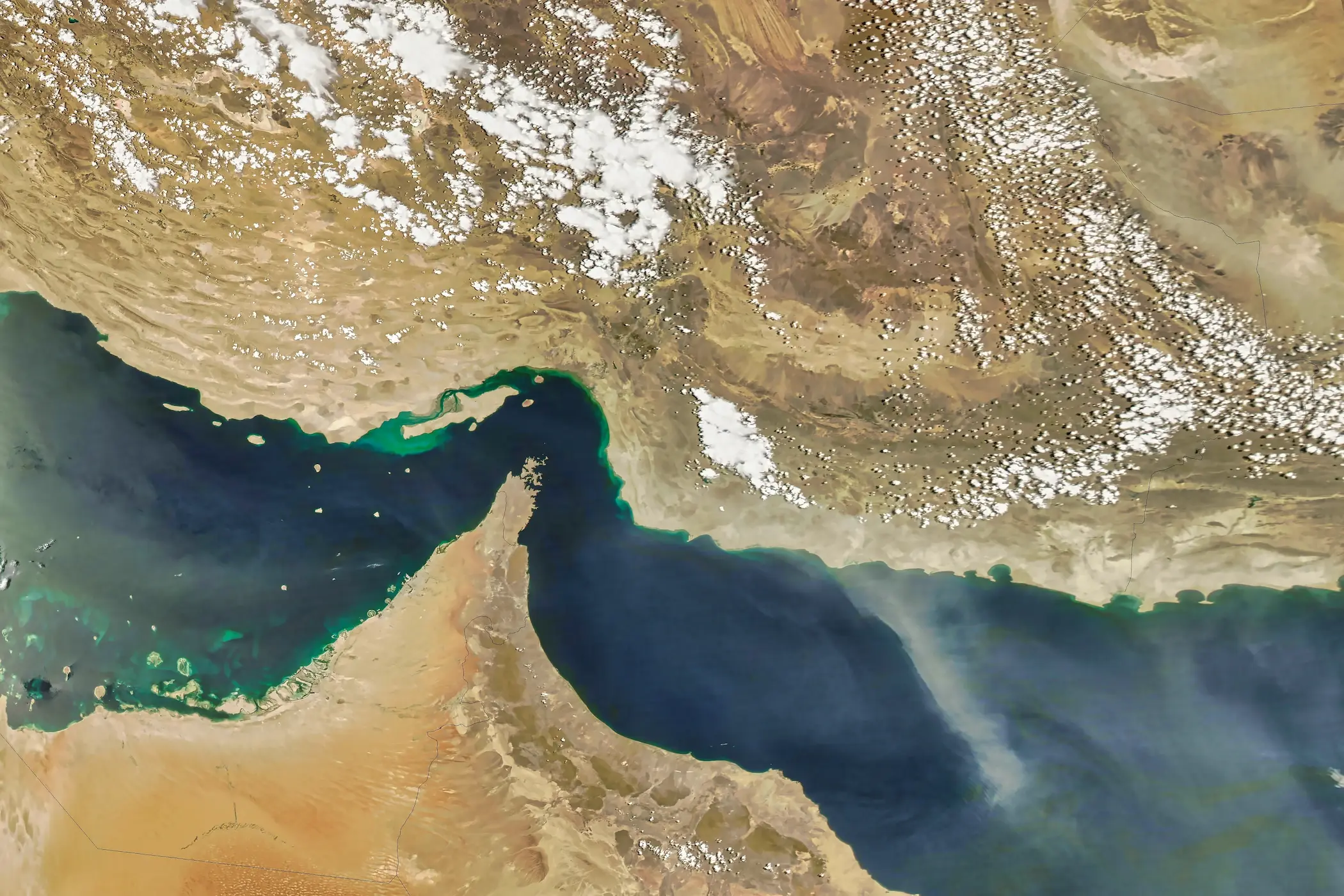
What If: Iran Closed the Strait of Hormuz?
What If: The US Economy Collapses?

From Displacement to Development: Syria’s Path to Reintegration

COP 29: Another Missed Opportunity for Action?

Stock Market Decline: More Trouble for the Global Economy?

Saudi Arabia’s Economic Ascent and Persistent Challenges

The UAE: A Global Magnet for Wealth

The Modi Effect: Prospects and Challenges of a Third Term

China’s Economic Slowdown: Strategic Responses and Global Implications
Rise of Regional Investment Blocs: A New Era of FDI Fragmentation
Can the EU Endure Escalation in the Middle East?

An Open Letter to COP28
Israel’s War is Testing its Economic Resilience

Rise of Medical Robotics Market: What About Safety?

Is Africa the Solution to the EU’s Energy Crisis?
Will India Become the Next Global Superpower?
IMF Policies in Countries in Crises: Helping of Harming?
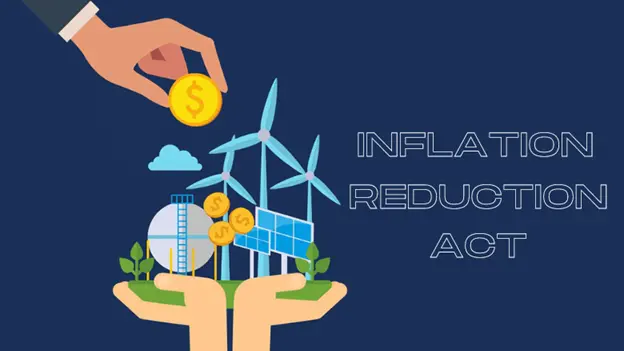
Impact of the Inflation Reduction Act on the US Economy

Restoring Balance: Impacts of Automation on UAE Labour Force
Rise of GCC Sovereign Wealth Funds: Magic Wand?
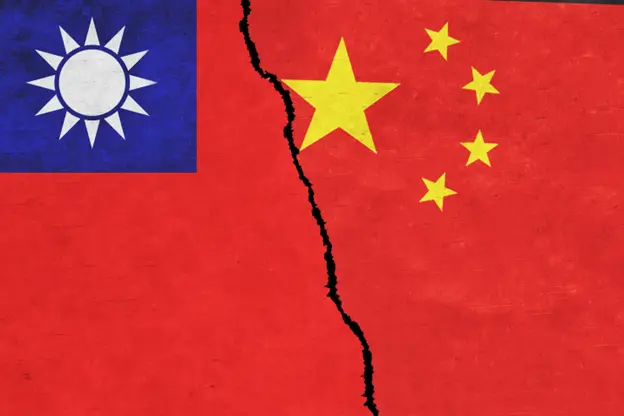
Ramifications for the Global Economy in the Case of a China-Taiwan Conflict?

In the Eye of the Storm: Food Security in MENA Region