
Publications
2 Mar 2026
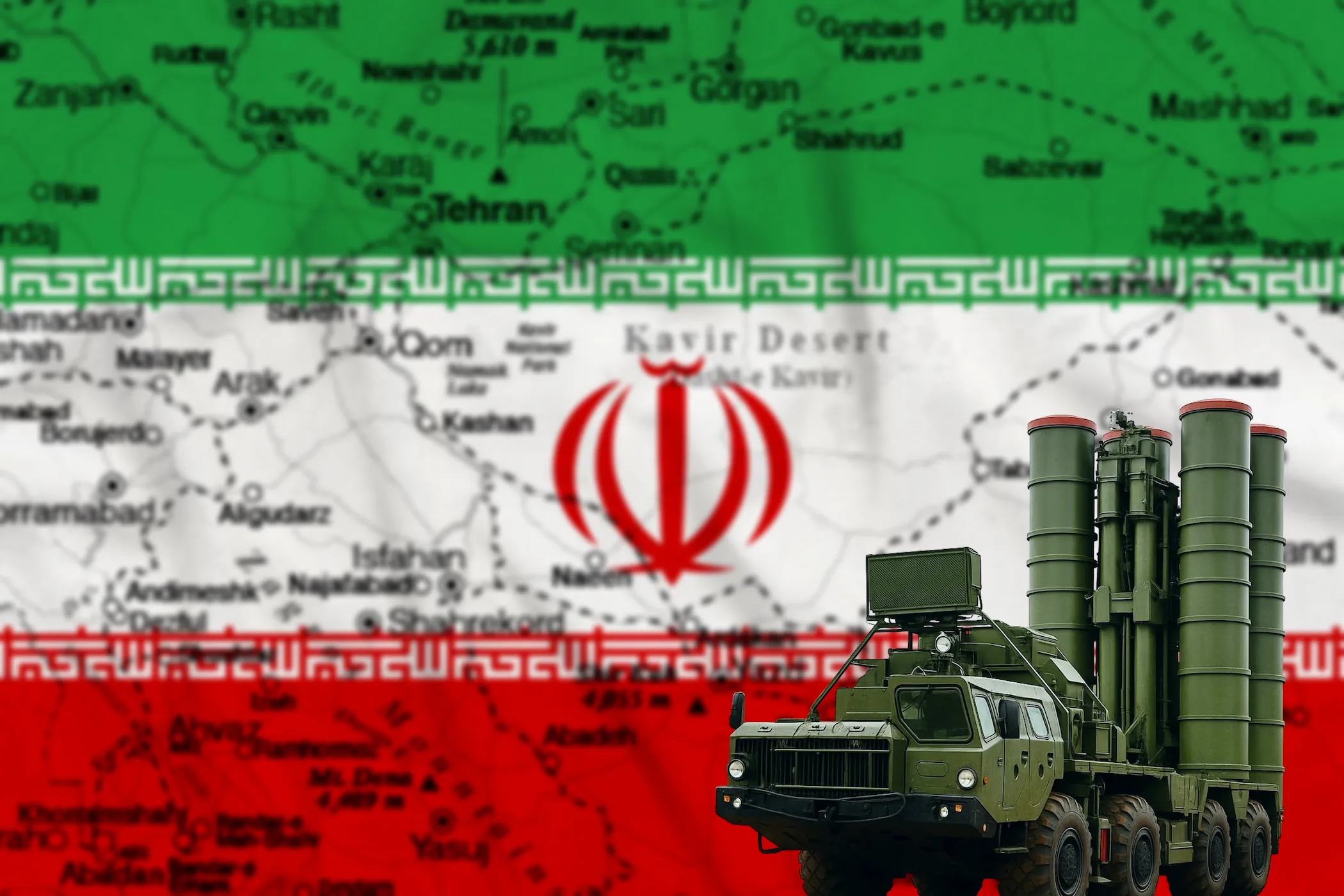
Deterrence Gap: Will the Eastern Shield Secure Tehran’s Airspace in the Next Confrontation?
The military operations that unfolded over twelve days in June 2025 between Iran and Israel marked a sharp breakpoint in the trajectory of regional military balance. The confrontation resulted in a substantial erosion of Tehran’s military infrastructure and inflicted significant material losses. The depth of this operational failure was most evident in the near-total collapse of Iran’s integrated air-defence system, with confirmed intelligence assessments indicating that Israel succeeded in neutralising more than 80 surface-to-air missile batteries and destroying over 120 launch platforms. This effectively stripped Iranian airspace of its protective shield and imposed a state of absolute Israeli air superiority.
Amid this collapse, Tehran effectively lost its entire arsenal of the Russian-made S-300PMU2 (“S-300 PMU-2”) systems, which it had acquired in 2016 after protracted negotiations and at considerable financial cost. These systems were systematically destroyed between 2024 and 2025. Iran’s domestic air-defence industries, represented by the Bavar-373 and Khordad-15 systems, also demonstrated clear operational inadequacy when tested in a real combat environment.
This exposed a wide technological gap between Israel’s offensive capabilities and Iran’s defensive assets. The Iranian air-defence network failed to record the downing of a single manned Israeli fighter jet, and Iran’s ageing air force, reliant on pre-revolution legacy aircraft such as the F-14 Tomcat, the Phantom, and the Tiger, supplemented by 1990s-era MiG-29s, stood incapable of competing or deterring effectively.
This total inability to contest the battlespace not only underscored tactical failure but delivered a decisive blow to the strategic assumptions underpinning Iran’s defence doctrine for decades, particularly its reliance on “asymmetric missile deterrence” and hybrid layered-defence networks.
Confronted with a reality in which its missile capabilities were neutralised and its aerial shield dismantled, the Iranian leadership was compelled to adopt a “post-war reset” strategy, launching an urgent acquisition campaign aimed at closing the technological gap by turning eastward towards Russia and China to rebuild its lost deterrence.
The fundamental question that will shape the next phase in the Middle East remains: Can this “hybrid deterrence”, comprising domestic missiles alongside imported, only partially integrated weapon systems, endure against an adversary that has already demonstrated both the willingness and the capability to deliver devastating strikes deep inside Iran?
Programmes
7 Feb 2026
Transformations in the Uranium Enrichment Market and the Future of Global Energy
Since 2023, the uranium enrichment market has undergone its most profound structural transformation since the advent of the civilian nuclear era. After three decades characterised by persistent oversupply and the integration of Russian inventories with Western reactor fleets, the sector, valued at approximately $15.5 billion in 2025, now confronts a fundamentally altered geopolitical landscape. stems primarily from the fact that nearly 95% of global enrichment capacity is controlled by just four entities, placing Western supply chains under complex logistical and political pressures.
Central to this transformation is the evolution of what is known as the Separative Work Unit (SWU) from a readily available commodity into a strategic bottleneck capable of redrawing global energy maps. The market has shifted rapidly from a buyer-dominated structure to one characterised by seller leverage, amid an intensifying race to secure fuel for both conventional reactors and small modular reactors (SMRs), which require advanced uranium grades for which Western markets lack adequate commercial infrastructure.
Accordingly, this analysis explores the contours of the new enrichment landscape, examining the principal actors and evolving pricing dynamics, while projecting the profound implications of this transformation for global energy security.
Programmes
12 Jan 2026
The Collapse of the Western Flank: The Implications of Maduro’s Fall for Iran
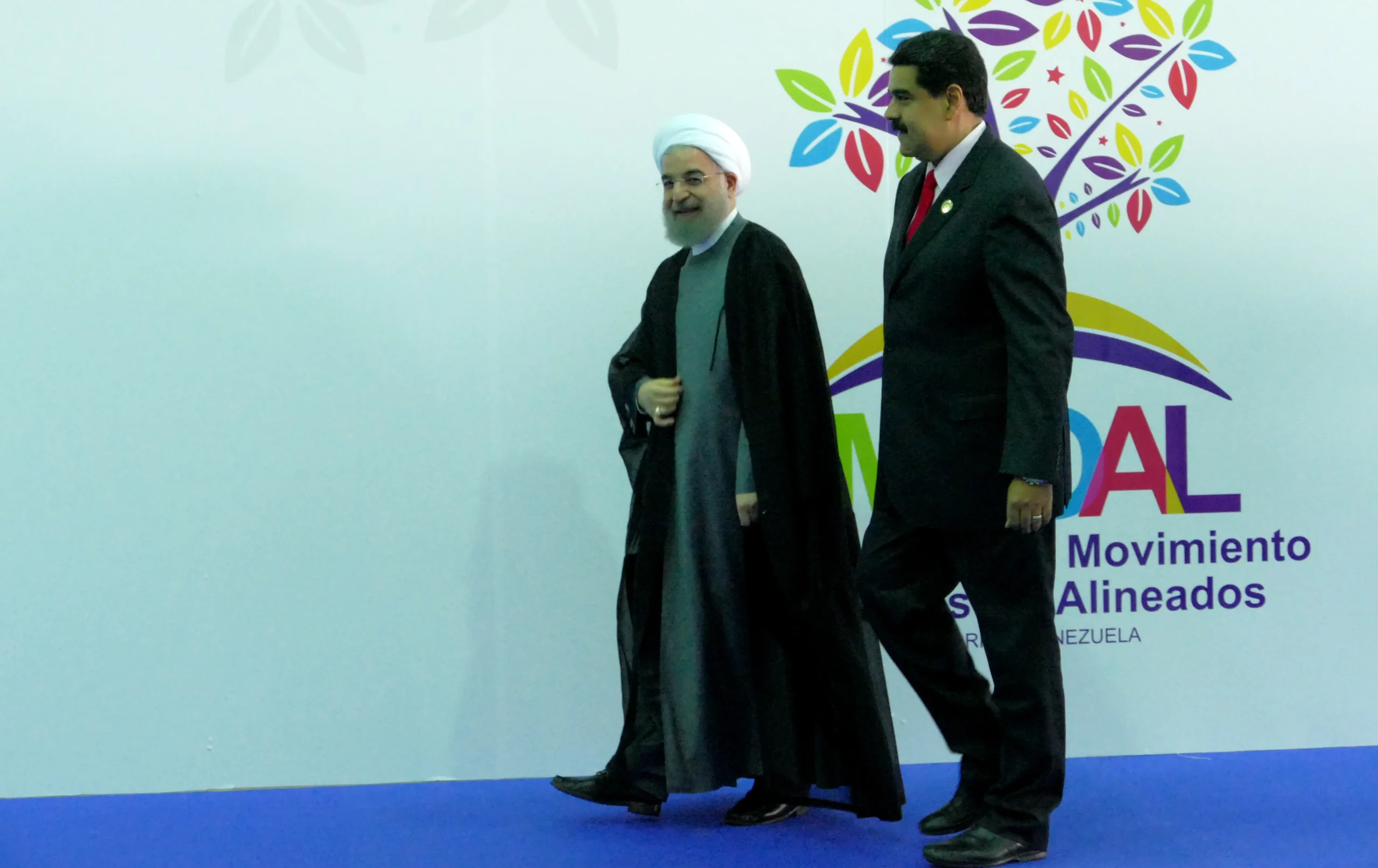
Operation Absolute Resolve, which resulted in the removal of Nicolás Maduro and his spouse Cilia Flores on Jan. 3, 2026, constituted a watershed moment in the history of 21st-century geopolitical warfare. While initial indicators point to a seemingly limited regime change within Venezuela, the strategic repercussions of the operation inflicted severe damage on Iran’s forward-operating capabilities. For nearly two decades, Venezuela was not merely a diplomatic partner of Tehran; it served as an indispensable logistical bridgehead and a secure sanctuary in the Western Hemisphere. Through this platform, the Iranian regime was able to circumvent international sanctions, project asymmetric influence, and sustain a critical financial lifeline through illicit trade.
Programmes
12 Dec 2025
The 2025 NSS: Disengagement or Entrenchment?
The National Security Strategy (NSS) defines the guiding vision of American power and provides a window into how the United States understands the international environment, identifies its priorities, and determines the political, military, and economic tools it will rely on to protect national interests. Accordingly, the NSS shapes defence planning, informs foreign policy doctrine, guides inter-agency action, and signals to allies and adversaries the direction of U.S. engagement in an evolving global landscape.
The 2025 NSS, issued by the Trump administration in November 2025, is a clear articulation of how this administration intends to position itself in a world marked by rising geopolitical fragmentation, sharpening competition, and growing domestic constraints. Its core purpose is to translate the administration’s worldview into a coherent framework that defines what the United States will prioritise, what it will deprioritise, and under what conditions it will expend political capital, economic leverage, or military force.
For the Middle East, understanding the 2025 NSS is essential because it captures the principles shaping America’s evolving posture toward the region. The strategy’s emphasis on burden-sharing, reduced military exposure, and transactional partnerships signals a shift in expectations for regional actors, while its focus on energy security, counterterrorism, and strategic competition with external powers continues to define the contours of U.S. interests. As a formal expression of how the administration interprets threats and opportunities, the NSS provides the clearest available roadmap of Washington’s intentions—and the framework within which its decisions toward the Middle East will be made in the years ahead.
Programmes
11 Dec 2025
What If: the War Ends on Russia’s Terms
The prolonged Russia-Ukraine War has been met with futile efforts to end it by several peace plans throughout nearly four years of war. Currently, U.S. President Donald Trump appears determined to end the war by pushing a peace plan in the last few months of 2025 and negotiating with both Russian President Vladimir Putin and Ukrainian President Volodymyr Zelenskyy.
Many scenarios unfold for the aftermath of the Russia-Ukraine War. Amid the ongoing peace negotiations, driven mainly by the U.S. and Russia’s push for Trump’s 28‑point plan and Ukraine’s counterproposal through the amended 19‑point plan, a settlement favouring Russia is increasingly possible, raising the question: if such a plan is adopted, how will the Eurasian scene change?
Programmes
7 Dec 2025
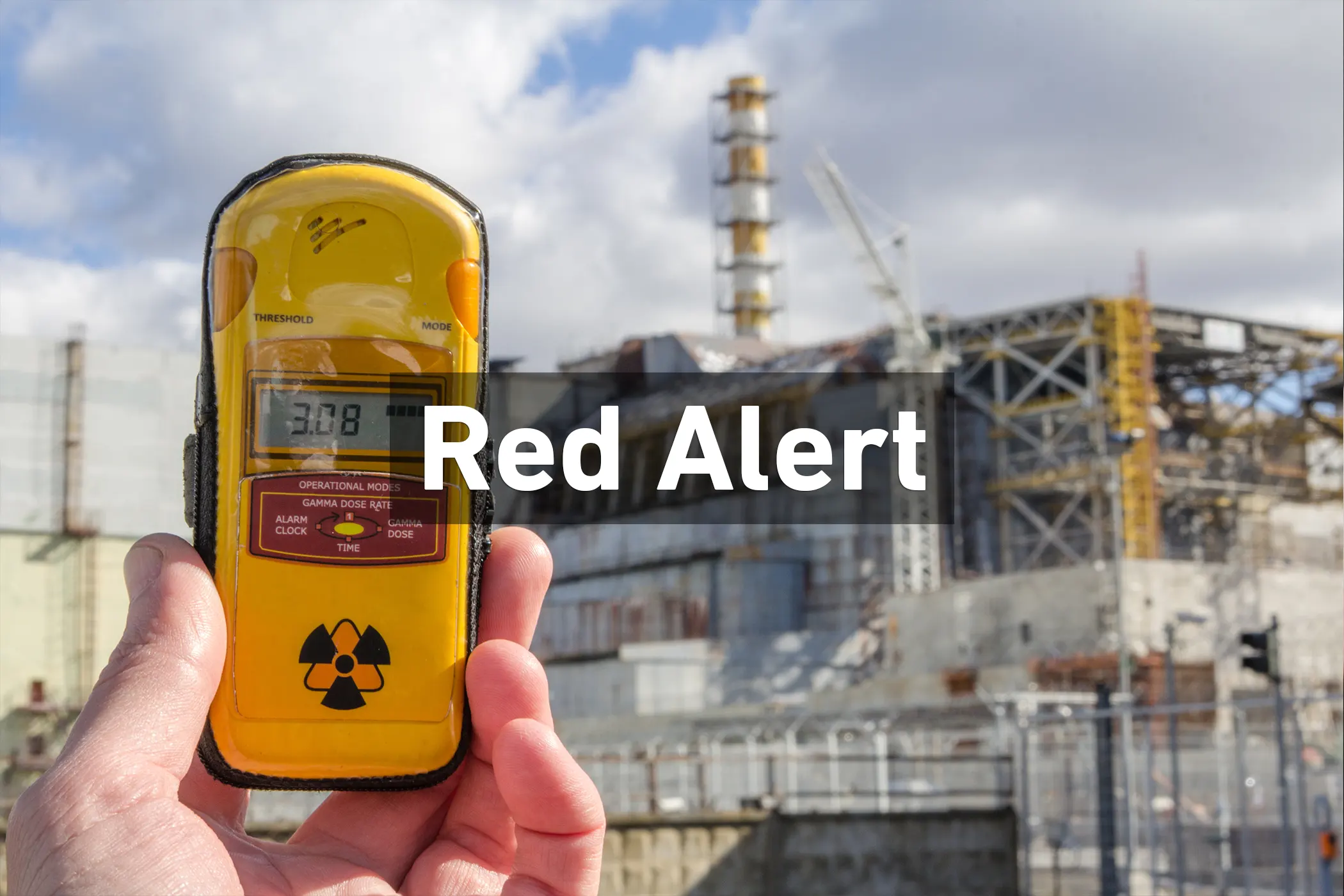
Red Alert: Chernobyl Radiation Shield Damaged
On Feb. 14 2025, a drone struck the protective shield covering Reactor No. 4 at the Chernobyl Nuclear Power Plant, Ukraine. The attack caused a fire and damaged the steel cladding. As of Dec. 6 2025, the International Atomic Energy Agency (IAEA) has formally assessed the site and reported that the New Safe Confinement has now “lost its primary safety functions, including the confinement capability,” meaning it can no longer guarantee that radioactive material remains fully contained. Ukraine has blamed Russia for the strike, which Moscow denies, while international monitors warn that the risk to global nuclear safety is rising.
Programmes
14 Oct 2025
Not All Quiet on the Western Front: Europe’s Next War
“Poland is at its closest to open conflict since World War Two,” warned Prime Minister Donald Tusk, after a sudden Russian airspace violation rattled the country. On September 9, a swarm of Russian drones entered Polish skies, prompting NATO aircraft to scramble and intercept several of them. It marked the first direct encounter between NATO and Moscow since Russia’s full-scale invasion of Ukraine on February 24, 2022. While the incident might have been a test by Putin to gauge NATO’s and Europe’s response, it also raises the specter of a potential war between Poland and Russia. Given Poland’s critical role within NATO and the EU, far greater than Ukraine’s, the implications of such a conflict would place the entire continent in Jeopardy. The pressing question now is: how likely is this war to erupt, and would Europeans bear the brunt?
Programmes
9 Oct 2025
US Intelligence Support Signals a New Phase in the Russia-Ukraine War
On October 1, U.S. reports stated that President Donald Trump gave the green light to provide Ukraine with intelligence information to strike deep into Russia’s energy infrastructure sites, while studying providing Kyiv with long-range weapons that can be used in such strikes. The reports also indicated that Washington is encouraging the NATO allies to take similar actions.
The U.S. has already been providing intelligence to Ukraine since the beginning of the war; however, Trump's signalling to provide more sensitive information could hold different consequences on the outcomes of the war. Since his second-term inauguration, Trump has vowed to end the Russia-Ukraine war, so does this decision come in parallel to the American President's ambition to broker a peace deal between Moscow and Kyiv, and how this might implicate the Russian and Ukrainian sides.

Programmes
18 Sep 2025
The Semiconductor Cold War: U.S. vs. Russia, China and India
The global competition over semiconductors and related military technologies has become the central axis of great-power rivalry. The United States maintains its leadership in the global semiconductor industry, with American companies securing roughly half of the global semiconductor market. However, this dominance faces a growing challenge from China, which accounted for 20% of global semiconductor sales in 2024. Beijing’s ambition to achieve self-sufficiency in semiconductors is steadily advancing despite ongoing trade tensions and intellectual property restrictions imposed by Washington amidst the broader ‘tech war.’ China aims to reach 50% self-sufficiency in semiconductor production by the end of the year, reinforced by significant investments in R&D and market expansion by Chinese firms.
In contrast, Russia’s position in semiconductor-dependent military industries is increasingly constrained. Although Russia retains expertise in weapons design, its reliance on imported materials and advanced chip-making equipment from Western countries exposes critical vulnerabilities. Western sanctions, introduced in response to Russia’s military actions in Ukraine, have sharply limited Moscow’s access to these essential inputs. In response, Russia has sought alternative suppliers, with China emerging as its largest source of semiconductor materials. These dynamic forms part of the broader Russia-India-China (RIC) trilateral framework, underpinning Moscow’s strategic pivot toward Eastern partnerships.
Meanwhile, India is rapidly evolving as a significant player in the semiconductor sector. The country’s announcement in September of its first indigenous chip, “Vikram 32,” marks a milestone in New Delhi’s pursuit of technological self-reliance and signals India’s potential emergence as a competitor to U.S. semiconductor dominance. India’s increasing engagement with Russia and China reflects a pragmatic alignment based on mutual interests, particularly in the context of escalating policy tensions with Washington. Notably, U.S. tariffs imposed on India’s trade in Russian oil have further incentivized this trilateral collaboration.
Collectively, the China-Russia-India “troika” represents a coalition of shared interests rather than a formal ideological alliance. Should this partnership strengthen, it could significantly bolster their semiconductor manufacturing capabilities and pose a formidable challenge to the American industry. Nevertheless, lingering frictions—such as unresolved border disputes, differing economic priorities, technological gaps, and the impact of sanctions—are likely to impede seamless technological integration. The United States still wields substantial influence over India, with opportunities to attract New Delhi through increased investments, tariff reductions, and advanced technology cooperation. Ultimately, the trajectory of the RIC semiconductor partnership holds profound implications for the global order. A successful integration of this “troika” chip industry with their respective military technologies could catalyse the rise of a multipolar system, revolutionizing surveillance, air defence, drone capabilities, and the broader defence industrial base, thereby reshaping international power dynamics.
Programmes
15 Sep 2025
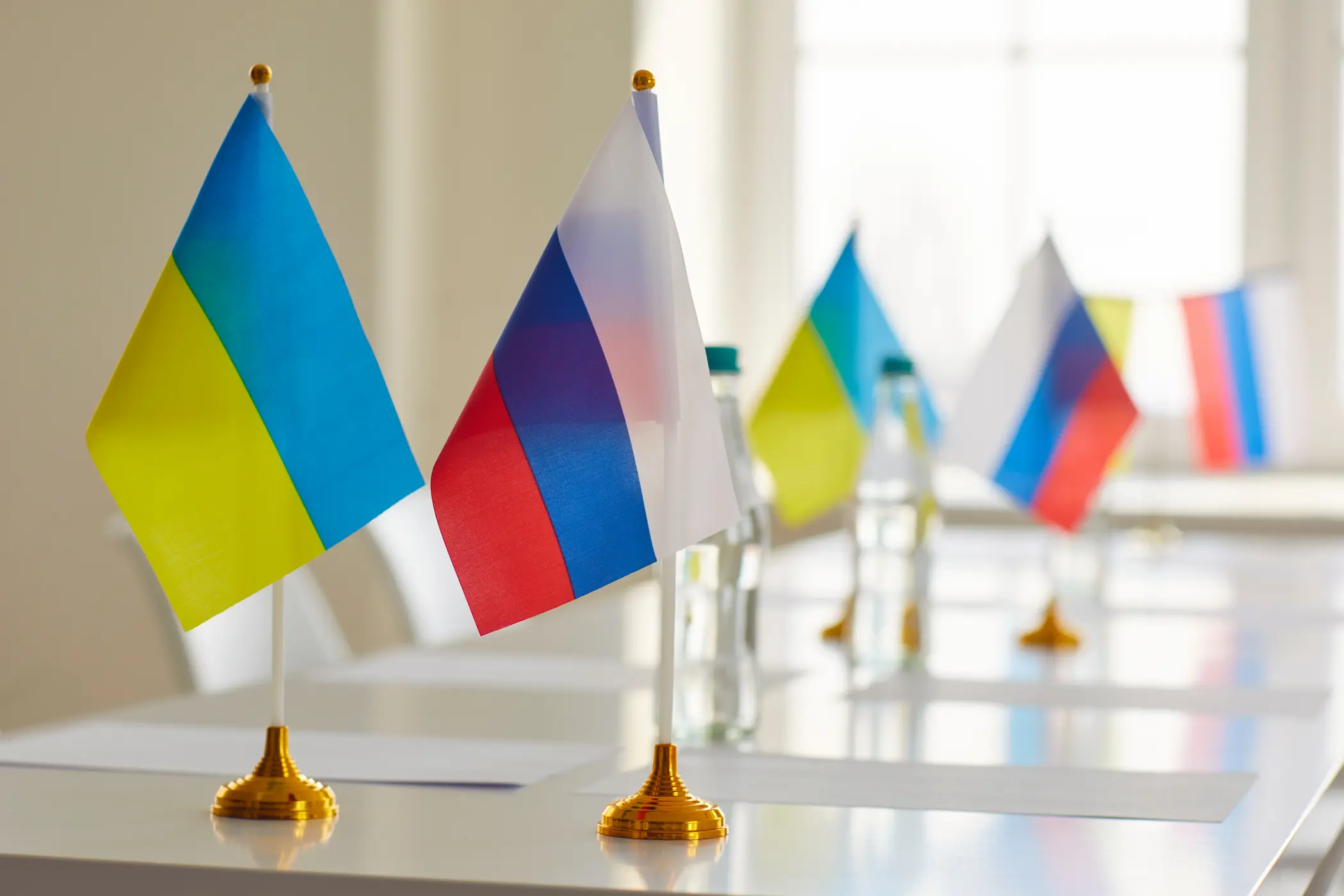
Trump Peace Play: Three Futures for Russia-Ukraine War
Amid Trump’s meetings with Russian & Ukrainian counterparts to reach a prolonged ceasefire, questions arise about the possibility of a successful peace plan occurring between Moscow & Kyiv with a U.S. mediation. Yet, with Putin’s demands from one side and Trump’s ambiguous promises to Zelensky from the other side, will the Ukraine war come to an end?
Programmes
11 Aug 2025
Middle East in Energy Transition: From Stopgap to Global Architect
On July 28, 2025, during a joint press conference in Scotland with British Prime Minister Keir Starmer, U.S. President Donald Trump issued an unexpected ultimatum to Russia. He declared that the Kremlin had no more than 10 to 12 days (until approximately Aug. 8, 2025) to make tangible progress toward ending the war in Ukraine. Should Moscow fail to comply, Trump warned that President Vladimir Putin would face a sweeping package of economic sanctions and severe trade restrictions. This escalation came on the heels of prolonged diplomatic stagnation and Trump’s increasingly vocal frustration with Russia’s continued military operations.
Subsequently, on July 31, 2025, former Russian President and current Deputy Chairman of the Russian Security Council Dmitry Medvedev responded with a pointed and ominous message via his Telegram channel. In his remarks, he invoked the “Dead Hand”—Russia’s semi-automated nuclear retaliation system designed to launch a retaliatory strike even in the event of a complete decapitation of the nation’s leadership.
In response, President Trump ordered the deployment of two U.S. nuclear submarines to strategic positions, framing the move as a necessary precaution in the face of what he described as “extraordinarily dangerous” nuclear threats. Notably, he refrained from specifying whether the submarines were nuclear-powered only or also nuclear-armed—introducing deliberate strategic ambiguity and reinforcing the doctrine of pre-emptive deterrence through calibrated uncertainty.
What renders this sequence of events particularly significant is that the confrontation did not remain confined to the U.S. and Russia. Its repercussions quickly extended to India, which was thrust into the geopolitical crossfire. On July 31, the Trump administration announced the imposition of a 25% tariff on all Indian exports to the United States, accompanied by threats of further penalties targeting Indian firms that continue to purchase Russian crude oil or engage in defence cooperation with Moscow. The rationale behind this punitive action lies in New Delhi’s deepening energy relationship with Russia.
Although the Indian government has not officially announced any suspension of contracts with Russian suppliers, discreet directives were reportedly issued to state-owned refiners instructing them to explore alternative sources in the global spot market. This pivot has begun to materialize reflecting New Delhi’s attempt to maintain equilibrium between preserving its strategic autonomy and mitigating mounting U.S. pressure.
Yet the broader implications of this crisis extend well beyond geopolitical brinkmanship. What is unfolding is a systemic shock to the global order—one that is reverberating through energy markets, food security systems, arms trade corridors, and supply chains. The consequences will not be distributed evenly: while some Middle Eastern states stand to benefit from surging demand and price shifts, others may face acute vulnerabilities due to trade disruptions, inflationary pressures, or capital flight.
Programmes
17 Jul 2025
BRICS Summit 2025: Between Expansion and Caution
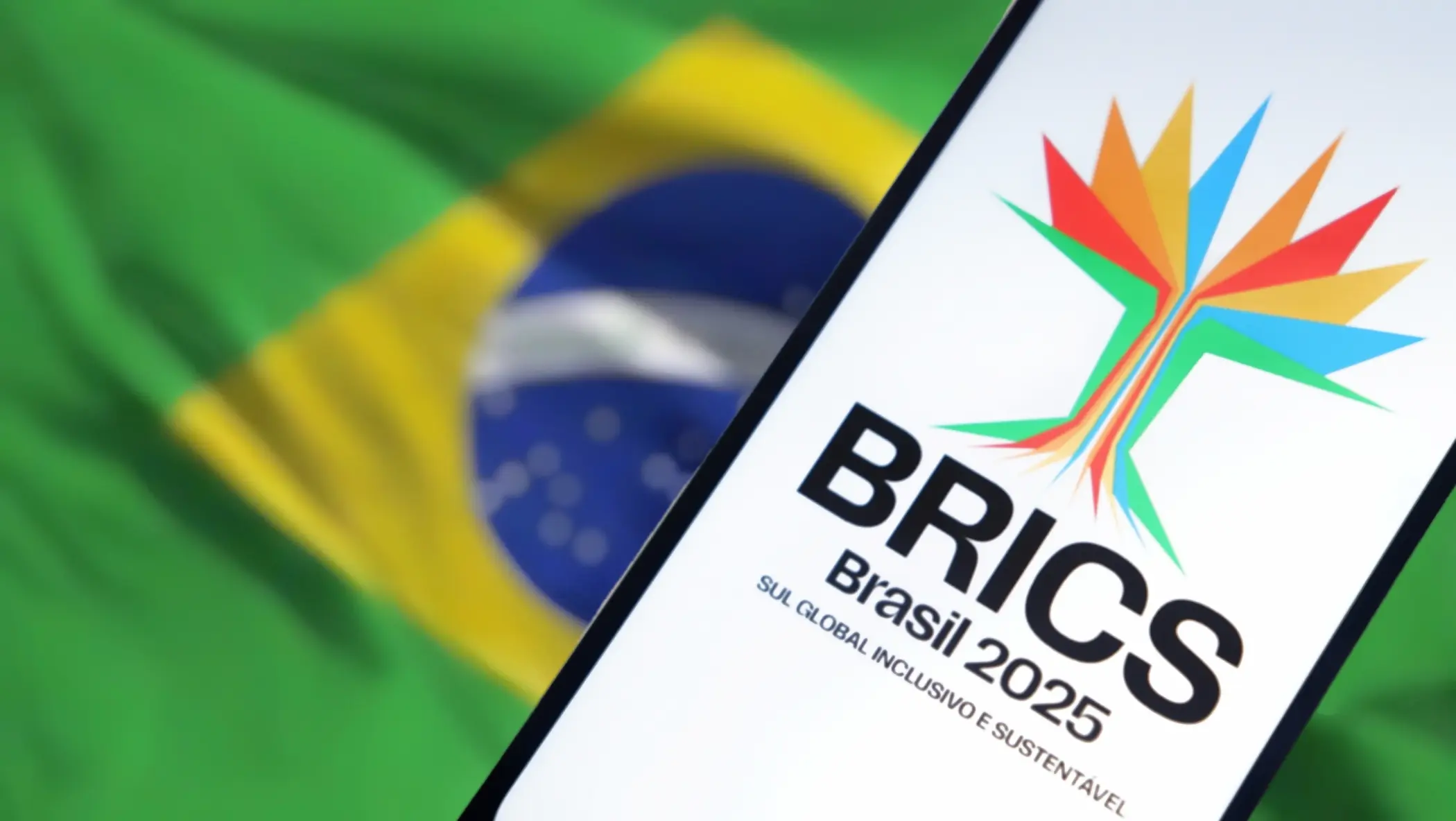
The 17th BRICS Summit convened in Rio de Janeiro on July 6–7, 2025, against the backdrop of accelerating geopolitical realignments. Under Brazil’s presidency, the summit sought to reenergize the bloc’s collective agenda, positioning BRICS as a more prominent actor in global affairs. Key declarations were issued, and the membership base was broadened—yet a cautious diplomatic tone accompanied these developments. The gathering appeared less as a turning point and more as a carefully choreographed exercise in articulating a shared vision for a multipolar world, tempered by the bloc’s internal complexities and external constraints.
Despite its symbolic achievements, the summit was marked by apparent limitations. The absence of certain high-profile leaders, coupled with underlying political divergences and institutional fragmentation, curtailed expectations for transformative decisions or a unified policy front. These constraints highlighted the gap between BRICS’s aspirations and its current capabilities. This analysis provides a focused examination of the outcomes of the 2025 BRICS Summit, assessing their implications for the evolving global order and the extent to which the bloc can credibly position itself as an alternative pillar in global governance.