
Programmes
29 Jun 2026
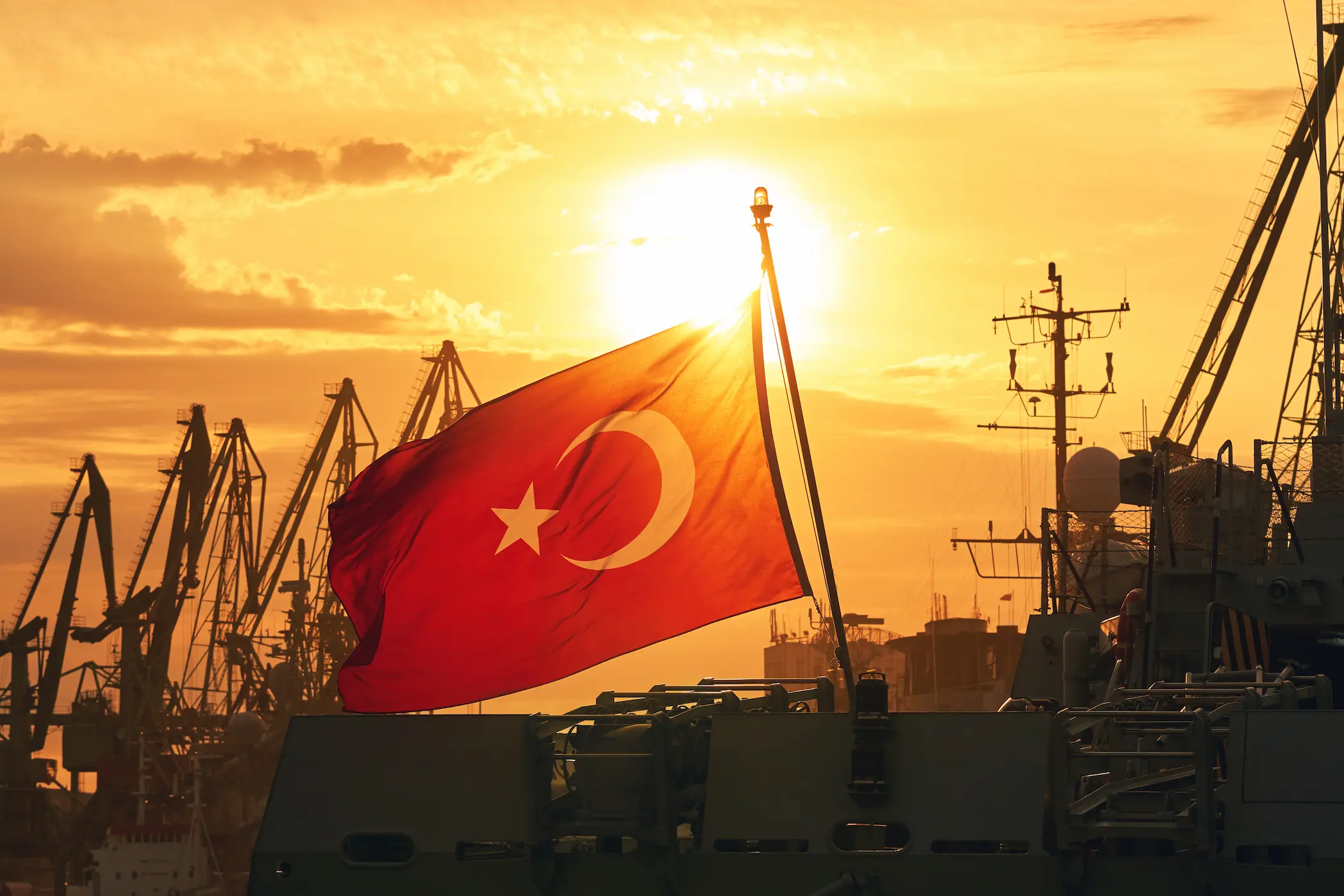
Ankara’s Defensive Rise: A New NATO Path?
Turkey’s rise as a defence-industrial power is no longer a peripheral subplot in NATO politics. It has become a structural development with implications for how the alliance equips itself, how regional powers diversify procurement, and how strategic influence is exercised between Europe, the United States, and the Middle East. While much of the public discussion around NATO still revolves around burden-sharing targets and the Russian threat, a more consequential transformation is unfolding in parallel: Turkey is building a defence-industrial corridor that links alliance demand, regional export markets, and domestic technological ambition.
The timing gives this argument unusual weight. Turkey is set to host NATO leaders in Ankara on 7–8 July 2026, a moment that places its political role and industrial trajectory under the same spotlight. That summit matters not simply because it will convene alliance leaders in the Turkish capital, but because it comes after a period in which Turkey’s defence sector has expanded in scale, deepened in sophistication, and broadened its customer base across Europe, the Gulf, Africa, and Asia.
What emerges from this trajectory is not a Turkish substitute for NATO, nor a coherent anti-Western bloc inside the alliance. It is something more complex and, in strategic terms, more significant: an alternative source of military capability inside NATO that others can increasingly use when Washington or Brussels appear too slow, too restrictive, or too politically encumbered. In that sense, Ankara is not building a rival alliance. It is building an alternative industrial lane within the existing one.
Publications
29 Jun 2026
Europe 2040: Today, Tomorrow, and the Day After
Europe in 2026 stands at an inflection point. The convergence of six structural crises — economic divergence, technological dependence, strategic vulnerability, institutional paralysis, demographic decline, and energy insecurity — means that the trajectory of the continent over the next fifteen years is genuinely uncertain. There is no default path. The future will be made by a series of choices, shocks, and compounding interactions that no single actor fully controls.
Yet uncertainty should not be understood as decline. Rather, it reflects the fact that Europe is entering a period in which multiple futures remain possible. The decisions taken today by governments, institutions, businesses, and societies will determine whether Europe emerges stronger, more fragmented, more autonomous, or increasingly dependent on external powers. In many ways, Europe is being asked to redefine itself at a time when the rules that shaped the post-Cold War era are rapidly being rewritten. This study adopts a scenario-led approach to explore how Europe may evolve by 2040. Instead of attempting to decide on a single future, it examines several plausible pathways that could emerge from the interaction of political, economic, technological, demographic, and geopolitical forces. The scenarios presented in the first chapter are not forecasts; they are tools designed to challenge assumptions, identify risks, and illuminate opportunities.
Building upon these scenarios, the subsequent chapters examine the key drivers that are expected to shape Europe's future, including economic competitiveness, technological sovereignty, energy security, demographic transformations, geopolitical shifts, defence and strategic autonomy, and the evolution of Europe's role in an increasingly multipolar international system. Together, these chapters seek to answer a broader question: not simply what Europe's future will look like, but what kind of Europe will emerge from the choices being made today.
Ultimately, this study is built around a simple premise: Europe's future is not predetermined. It will be negotiated, contested, and continuously reshaped by events both within and beyond its borders. The continent's greatest challenge over the coming years may therefore be learning how to navigate uncertainty itself.

Programmes
24 Jun 2026
The Politics of Longevity: How Life-Extension Technologies Could Reshape State Power
At a Beijing military parade in September 2025, a hot microphone captured Russian President Vladimir Putin telling Chinese President Xi Jinping that advances in biotechnology could allow humans to continuously replace their organs, grow younger, and perhaps even achieve immortality. Xi responded that people may live to 150 years by the end of this century. The exchange was widely dismissed as eccentric small talk between aging heads of state. It was neither eccentric nor small.
Behind Putin's remarks sat a $26 billion Russian state initiative, a team of scientists working toward bioprinted human organs by 2030, and a broader pattern of powerful states and private actors treating human longevity as a strategic priority. As gene therapies, regenerative medicine, and organ replacement technologies move from laboratories toward clinical settings, a question that has received little attention begins to demand serious consideration: what happens to state power when the biological clock that has always constrained political leaders and their institutions starts to slow down?
Programmes
24 Jun 2026
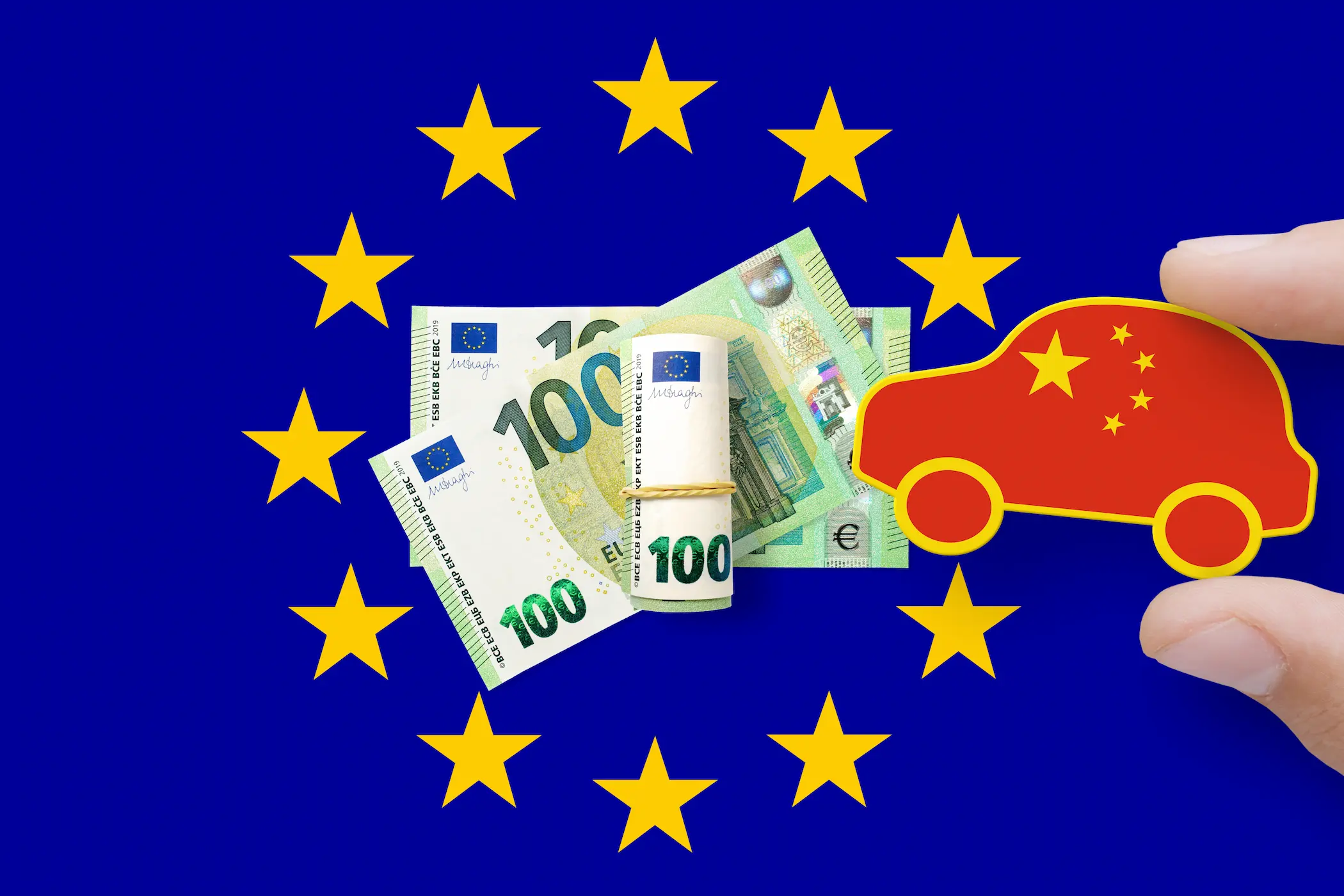
From Mercedes to BYD: The Full Story of Power Shifts in the Global Automotive Industry
For decades, the automotive sector has been the industrial backbone of the European Union, employing roughly 13.8 million people—8.1% of the bloc’s manufacturing jobs—generating close to 7% of its GDP and a trade surplus exceeding €79.5 billion. Yet this entrenched primacy is now exposed. The legislated phase-out of the internal combustion engine (ICE) by 2035, structurally elevated energy costs, and China’s state-backed scaling of new energy vehicles (NEVs) have converged to erode advantages built over a century. Within a single decade, China has vaulted from an assembler of imported technology to the global pacesetter in battery chemistry, critical-mineral refining, and software-defined vehicle production.
Accordingly, this analysis aims to provide a rigorous quantitative assessment of Europe’s eroding automotive competitiveness against China’s ascent, across three interlocking axes: the empirical evidence of the market shift, the financial and economic root causes, and the strategic outlook for a continent now forced onto the defensive.

Programmes
17 Jun 2026
European Anxiety Over Tech Sovereignty: What Should be Done?
Europe has spent the last few years watching its tech anxiety go from background hum to full orchestra. It's not hard to see why. In June 2026, France's intelligence services announced they were dropping Palantir, the American data analytics firm long embedded in European defence and policing work, in favour of a domestic provider, explicitly citing the need for "strategic autonomy." Germany's military reportedly will not touch Palantir at all, and the UK is now fielding parliamentary debates over a quarter-billion-pound contract with the company, partly because, as one legal analysis bluntly put it, even European data sitting in European data centres can still be pulled by U.S. authorities under American law, contracts or no contracts. It's the kind of detail that makes "data sovereignty" sound less like a policy buzzword and more like a genuine catch.
Then, just days before this was written, the U.S. government ordered Anthropic to cut off access to its most advanced AI model, Mythos, for anyone who wasn't a U.S. citizen, citing national security concerns. Anthropic's response was to switch the model off for everyone, Americans included, rather than build a citizenship checkpoint overnight. The episode lasted only days, but it landed exactly where Europe's anxieties already live: the frontier of AI doesn't just sit outside Europe's control, it sits inside one government's control, and that government can flip a switch.
None of this means Europe should panic, or try to build its own version of everything from scratch by Thursday. As the cost estimates make clear, chasing full autonomy across the entire AI stack would run into the trillions of euros, well past the point of being realistic. The more sensible response, is for Europe to get serious about which parts of the stack actually need to be sovereign, where partnership is a perfectly good substitute for ownership, and where its real strength, regulatory leadership, can be used deliberately rather than as a consolation prize. Sovereignty, in other words, isn't about owning everything. It's about knowing exactly what you can't afford to depend on.
Programmes
9 Jun 2026
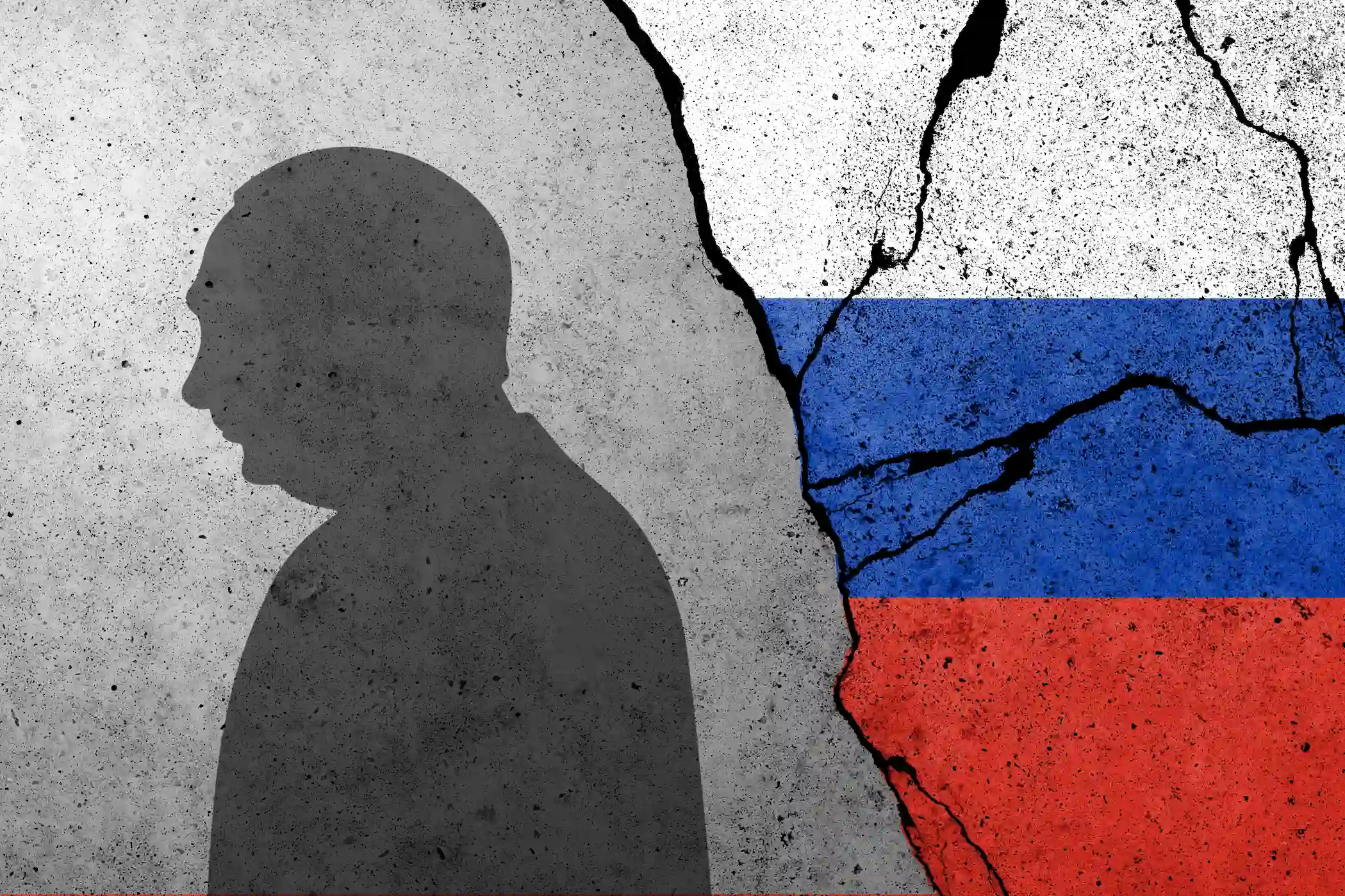
Silent Elite Fragmentation: Trajectory of Putin’s Regime in Russia
Ukraine’s shift from a battlefield conflict to a multidimensional strategy of systematically exhausting Russian war efforts appears to be causing divisions and tensions among the elites in Moscow. This has triggered expectations of elite defections from Russian President Vladimir Putin’s regime and even the possibility of his removal. According to this view, the prolonged war is likely to undermine Russia’s internal stability and elite confidence, which eventually would translate to broader political restructuring and potentially a complete regime change.
However, the complex structure of the Russian regime suggests a different scenario regarding how elite dissatisfaction could influence the course of events and the relationship between elite fragmentation and regime stability. Hence, the strategic question is no longer whether Russia can survive battlefield losses but whether the Kremlin can indefinitely withstand the cumulative pressures of growing elite frustration.
Programmes
20 May 2026
A Fractured Kingdom: Political Fragmentation and the Crisis of Trust in Post-Election Britain
The results of the 2026 UK local elections while shocking to some, are overall not surprising. After all, it was projected the Labour Party was going to incur significant losses, while Reform UK was projected to win big, of which both projections were somewhat accurate. Moreover, despite a poor showing for the Conservative Party, they did manage to regain a few councils back from the Labour Party such as Westminster, while the Liberal Democrats and the Green Party managed to have positive results. The extent of the Labour Party losses extends beyond the England elections, as they managed to lose their majority in the Welsh parliamentary elections as well as lose seats in the Scottish parliamentary elections as well. These results are a sign that the UK political system is no longer just Labour vs. Conservative but now the political structure of the UK has been entirely realigned to reflect a fragmented system.
The election results already have several implications for the country. These implications include the confirmed fragmentation of the British political system and lack of trust and confidence in the current government. Naturally, these implications spell trouble for Prime Minister Sir Keir Starmer and the Labour Party.
Programmes
16 May 2026
From Two-Party Politics to Multiparty Competition: Where Is Westminster’s Party Landscape Headed?
Since the post-Second World War period, politics in the United Kingdom have been shaped by a stable two-party system. This balance was structurally reinforced by the First-Past-the-Post (FPTP) electoral system, which enabled the Labour and Conservative parties to dominate government for nearly a century. The results of the local elections held in May 2026, however, signalled a clear shift in this established model. The elections revealed electoral fragmentation and a redistribution of support among five major parties, driven by the rise of Reform UK, growing support for the Green Party, and the continued influence of regional nationalist parties.
As a result, the combined vote share of the two traditional parties fell to a historic low of 37.7%, an unprecedented level driven by the rapid fragmentation of the electorate, ongoing economic change, the declining effectiveness of the social contract, and the weakening ability of institutions to provide services. This has brought to light a structural crisis within the political system that requires a reassessment of the trajectory of the British political system, to determine whether the country is moving towards a permanent multi-party system similar to the European model, or whether the structural mechanisms of the Westminster parliamentary system remain capable of imposing a new equilibrium on the two-party system.
Programmes
11 May 2026
Europe: NATO, U.S. Retrenchment, and the Cost of Strategic Autonomy
Discussion surrounding a potential United States (U.S.) withdrawal from NATO has remained one of the defining debates since the beginning of Donald Trump’s second presidency. In recent months, particularly following the war involving the U.S. and Israel against Iran, tensions within the alliance have intensified, with President Trump openly criticising several European NATO allies and questioning their value to the alliance. As a result, the central question is no longer limited to whether Washington could formally leave NATO. Increasingly, attention should shift toward a more pressing issue: could Europe manage its security independently without substantial American support? What would be the strategic, military, and economic cost of such a shift, and would European states be capable of rebuilding or reorganising their defence capabilities quickly enough to confront emerging threats?
Importantly, despite the significant legal, political, and institutional constraints facing any U.S. president seeking to withdraw from NATO entirely, Washington could still adopt alternative approaches that stop short of formal withdrawal while substantially reducing its role within the alliance. Such measures could include lowering financial contributions, scaling back troop deployments across Europe, or withdrawing critical weapons systems and strategic capabilities currently provided by the U.S. In such a scenario, how vulnerable would Europe become, and how prepared would it be to fill the resulting gaps?
Programmes
6 May 2026
The UK Local Elections: Final Nail in the Coffin for the Labour Party?
The 2024 General Election in the United Kingdom saw history being made, as the Labour Party under the direction of Sir Keir Starmer scored a landslide victory over the Conservative Party. Despite this landslide victory and the promise of significant change following years of Conservative Party turmoil, the Premiership of Starmer has not been smooth. Prime Minister Starmer’s term has been littered with major policy U-turns, political scandal, and an increase in support for populist movements. Naturally, this has contributed to a loss in confidence in Starmer’s government and leadership abilities, with many in the House of Commons and the British public questioning the government’s judgment, confidence, and competence.
To add insult to injury, the Labour Party lost the Gorton and Denton byelection (a seat held by the Labour Party for 100 years) and is still suffering from the Mandelson scandal, which further contributed to further loss of trust in the system. As the local elections are fast approaching and Starmer’s approval continues to plummet, the question remains: will a loss in these local elections be the final nail in the coffin for the Labour Party and Starmer?

Programmes
29 Apr 2026
War, Pressure and Policy: Europe’s Gradual Turn on Israel
In recent years, European perceptions of Israel have undergone a noticeable shift, driven primarily by the war on Gaza following the events of 7 October 2023. What began as growing unease has gradually translated into a marked decline in public favourability across Europe, with many viewing Israel’s military response as disproportionately severe. This transformation in public sentiment, however, has not been immediately mirrored at the political level. European leaders have largely maintained a cautious and diplomatic posture, continuing to balance expressions of concern with longstanding commitments to “Israel’s right to self-defence”. That stance has begun to erode more recently. The regional escalation involving Iran has introduced direct economic and strategic pressures on Europe, prompting a more assertive, albeit still measured, response from policymakers. At the same time, political changes within Europe, including the emergence of leaders less firmly aligned with Israel, such as Hungary’s Prime Minister Péter Magyar, signal a gradual recalibration rather than a sudden rupture in policy.
This evolving landscape became particularly visible in late April 2026, when discussions emerged within the European Union around suspending the EU–Israel Association Agreement. Although the proposal did not advance, with key member states such as Germany and Italy blocking consensus, it nonetheless highlighted the extent to which previously unthinkable measures are now part of the policy debate. While the suspension of the agreement would carry significant economic consequences for Israel, its implementation remains constrained by the European Union’s (EU) internal political dynamics. Yet the inability to pursue this option does not imply a lack of leverage. The European Union retains a range of alternative instruments that can be deployed to exert pressure on Israel.
Programmes
27 Apr 2026
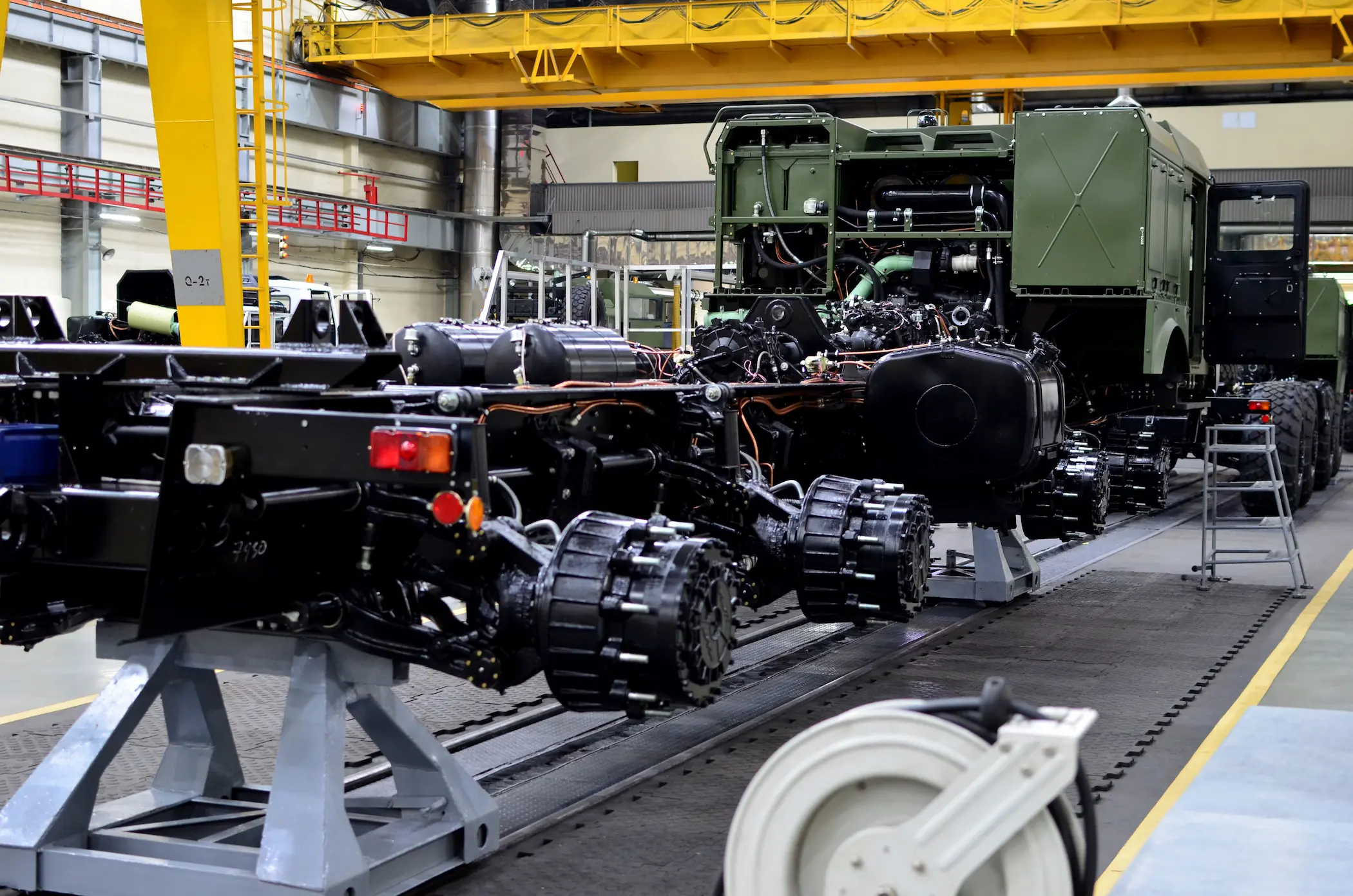
Engines of War: Why the Automotive Sector Is the Fastest to Pivot to Military Production
Modern patterns of armed conflict are shifting from time-limited operations reliant on advanced, low-volume technologies to protracted confrontations driven by industrial attrition and the large-scale deployment of autonomous systems. This transition exposes critical deficiencies in the traditional defence industrial base's production capacity. As munitions stockpiles decline amid ongoing conflicts in Eastern Europe and the Middle East, military assessments increasingly identify manufacturing capability, supply chain resilience, and the speed of industrial mobilisation as decisive factors in strategic competition, alongside technological innovation.
In response to these dynamics, national security institutions are moving to reactivate historically grounded models that integrate the commercial manufacturing sector into military production. This approach was notably deployed during the Second World War, when Ford Motor Company redirected its civilian production lines to manufacture bombers, Chrysler Corporation established dedicated facilities for tank production, and General Motors allocated its industrial capacity to the production of aircraft engines and munitions.
The current operational environment demands a sustained supply of conventional mechanical platforms and expendable systems, including unmanned aerial vehicles and sensor-equipped tactical vehicles. As battlefield requirements increasingly outpace the production capacity of defence manufacturers, the automotive sector emerges as a uniquely positioned industrial base, combining large-scale output with advanced mechanical engineering capabilities. This reality necessitates a focused assessment of the structural and technical attributes that make it the most viable sector for rapid conversion to support military production.