
Programmes
9 Jun 2026
The Petrodollar Myth: Why Architecture Beats Ambition
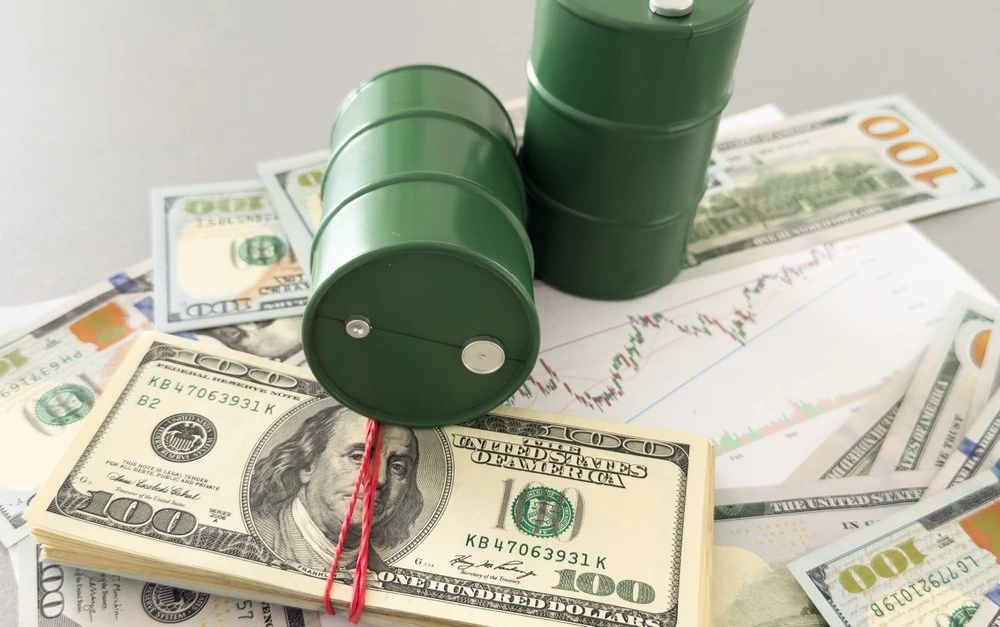
The petrodollar is one of the most invoked and least understood concepts in global finance. Since the 1970s, it has framed how analysts, journalists, and policymakers think about the dollar’s reserve status — equating America’s monetary supremacy with its energy arrangements. Yet this framing obscures more than it reveals. Dollar dominance is not a product of oil deals; it is the product of financial depth, legal architecture, and institutional trust accumulated over decades. To understand the future of global finance, one must look past the geopolitical theatre of energy pricing and examine the far more durable foundations that anchor the greenback at the centre of the global financial system.
The term "petrodollar" entered the global financial lexicon in the early 1970s, coined to describe the US dollars earned by oil-exporting nations following the 1973 Arab oil embargo and the subsequent surge in crude prices. Its origins, however, are rooted in a deeper structural shift. When President Nixon suspended the dollar's convertibility to gold in 1971 — effectively ending the Bretton Woods system, the United States (US) needed a new anchor for dollar demand. The informal arrangement that followed, most notably solidified through US-Saudi negotiations in 1974, ensured that Gulf producers would price oil exclusively in dollars and reinvest their surpluses into US Treasury bonds and American financial markets.
For decades, this arrangement fed a compelling narrative: that the dollar's global supremacy was underwritten by oil. The logic was straightforward since every oil-importing nation needed dollars to purchase energy, global dollar demand was structurally guaranteed. Any challenge to this system, the argument goes, would directly erode the dollar's reserve currency status. This view gained traction among geopolitical analysts and alternative media circles, especially following Saddam Hussein's 2000 decision to price Iraqi oil in euros, and later amid speculation that US military interventions in the Middle East were partly motivated by protecting the petrodollar system.
Yet this narrative, however widespread, rests on a fundamental misreading of how dollar dominance functions. The Economist challenges it directly, arguing that the petrodollar is often misunderstood and is no longer the primary pillar of dollar strength. The volume of oil traded globally, while significant, represents only a fraction of total dollar-denominated transactions. According to the Bank for International Settlements, the dollar is involved in nearly 88% of all foreign exchange transactions worldwide, a dominance that reflects financial depth and institutional trust, not energy dependence.
Historically, the oil-dollar link carried greater weight when global financial markets were less integrated, and US Treasuries represented the default safe asset for a narrower set of alternatives. That structural context has fundamentally changed. The dollar's role today is upheld by the unmatched liquidity of Wall Street, the enforceability of American contract law, and decades of accumulated creditor confidence — foundations far more durable than any bilateral energy arrangement. The petrodollar, in short, was never the dollar's load-bearing wall; it was, at best, a single supportive beam in a much larger structure.

Programmes
4 Jun 2026
Trump, Tariffs, and the Revolt of the American Farmer
By mid-2026, the US agricultural sector stands at a critical juncture where macroeconomic shocks intersect with geopolitical repercussions and sharp shifts in domestic trade policy. This has been reflected acutely in the traditional political alliances of rural America—which have historically constituted a formidable electoral stronghold for the Republican Party and, in particular, for President Donald Trump—as they undergo deep structural fractures that continue to widen, driven by the direct economic effects of stringent protectionist trade policies, disruptions to the regulatory framework governing biofuels, and regional conflicts that have combined to erode profit margins and undermine farmers’ confidence in the current system.
To understand the roots of this crisis, it is necessary to examine the nature of the implicit economic contract between the current Republican administration and its rural base. Historically, the government’s strategy rested on a two-dimensional approach: engineering stringent industrial tariffs to protect the domestic manufacturing base, while simultaneously attempting to insulate the agricultural sector from the adverse repercussions of these policies through the injection of exceptional federal support packages. However, the dynamics of 2025 and 2026 have undermined the wager on the sustainability of this equation. The economic strain generated by this dual approach translated into tangible political mobilisation, the effects of which were clearly reflected in opinion polls and primary-election indicators that came as a shock to the Republican camp.
Building on the foregoing, and with the crisis shifting from the economic sphere to the arena of electoral contestation, this analysis seeks to dissect the deep economic drivers that have produced the current state of agricultural frustration, evaluate the effectiveness of government measures in the areas of trade and energy, and assess the extent of the shift in the political calculations of rural voters. Drawing on a systematic reading of quantitative indicators and an examination of the results of the Iowa primary elections, this analysis attempts to anticipate the trajectory of this discontent: does it merely represent a temporary wave of backlash-driven anger, or is it laying the foundations for a broader political realignment capable of reshaping the balance of power in Washington ahead of the midterm elections?

Programmes
22 May 2026
The New Economics of Security: Priced for Permanence in a Fragmented World
Beyond short-term wartime dynamics, the global defence sector is undergoing a significant and far-reaching transformation. The recent increase in military spending, initially framed as a cyclical response to regional conflicts, is increasingly recognized as part of a broader structural repricing of security across global markets. This has also prompted a reassessment of defence firms’ role, shifting their perception from cyclical industrial contractors primarily tied to procurement cycles toward strategic assets embedded within the dynamics of geopolitical fragmentation and sovereign competition.
Consequently, this shift has contributed to the erosion of the post-Cold War peace dividend model, which underpinned global economic integration for more than three decades. In the aftermath of the Soviet Union’s collapse, advanced economies largely embraced the assumption that economic interdependence would mitigate conflict risk, thereby justifying sustained declines in defence expenditure. This assumption underpinned an efficiency-oriented model of globalization, optimized around lean inventories, cost minimization, and geographically dispersed supply chains, while assigning comparatively limited importance to redundancy and strategic industrial depth.
However, by 2026, this model had demonstrated its material vulnerabilities. Security considerations were no longer treated as external to economic policy, but rather embedded within it, as states sought to integrate defence production, industrial capacity, and supply-chain control into a broader framework of national resilience.

Programmes
15 Apr 2026
From Doha to Washington: How Hormuz Redrew Global Gas Supply Chains
At the outset of 2026, the global natural gas market underwent a profound structural shift that eroded much of the stability built over years of rebalancing in the aftermath of the 2022 European energy crisis. Markets had been advancing towards a phase of relative supply abundance, underpinned by expanding liquefaction capacity in the United States (US) and large-scale Qatari projects. This trajectory was abruptly reversed on Feb. 28, 2026, when Operation Epic Fury triggered the most severe energy shock to confront the international system in decades. The US-Israel-Iran War and the closure of the Strait of Hormuz, removed nearly one-fifth of global liquefied natural gas supply from circulation within days.
This paper analyses the structural transformations in the global natural gas market induced by the crisis, tracing supply and demand dynamics before and after the outbreak of the conflict. It further evaluates the implications for key actors within the international energy system, including countries most exposed to global gas market volatility, such as Egypt and Jordan.

Programmes
13 Apr 2026
The Implications of the April 2026 U.S.–Iran Ceasefire on Oil Prices
On April 7, 2026, the United States (US) and Iran announced a temporary two-week ceasefire, following intensive diplomatic mediation led by Pakistan during a critical window of escalation. The conflict had erupted on Feb. 28, 2026, when the US and Israel launched coordinated military strikes targeting Iranian infrastructure. In response, Tehran moved to close the Strait of Hormuz to international commercial shipping, precipitating the most severe energy supply shock in modern market history.
The closure effectively paralysed approximately 20 million barrels per day that would ordinarily transit the Strait of Hormuz in peacetime, accounting for nearly a quarter of global seaborne oil trade. Under the terms of the ceasefire, Iran announced a conditional reopening of the strait, while the parties agreed to commence diplomatic talks in Islamabad on April 10. This analysis examines the full scope of the crisis and evaluates the prevailing oil price scenarios, drawing on lessons from comparable historical shocks to assess the fragility of the current environment and its potential trajectories.
Programmes
13 Apr 2026
Defence Economies at War: National Budget Stress
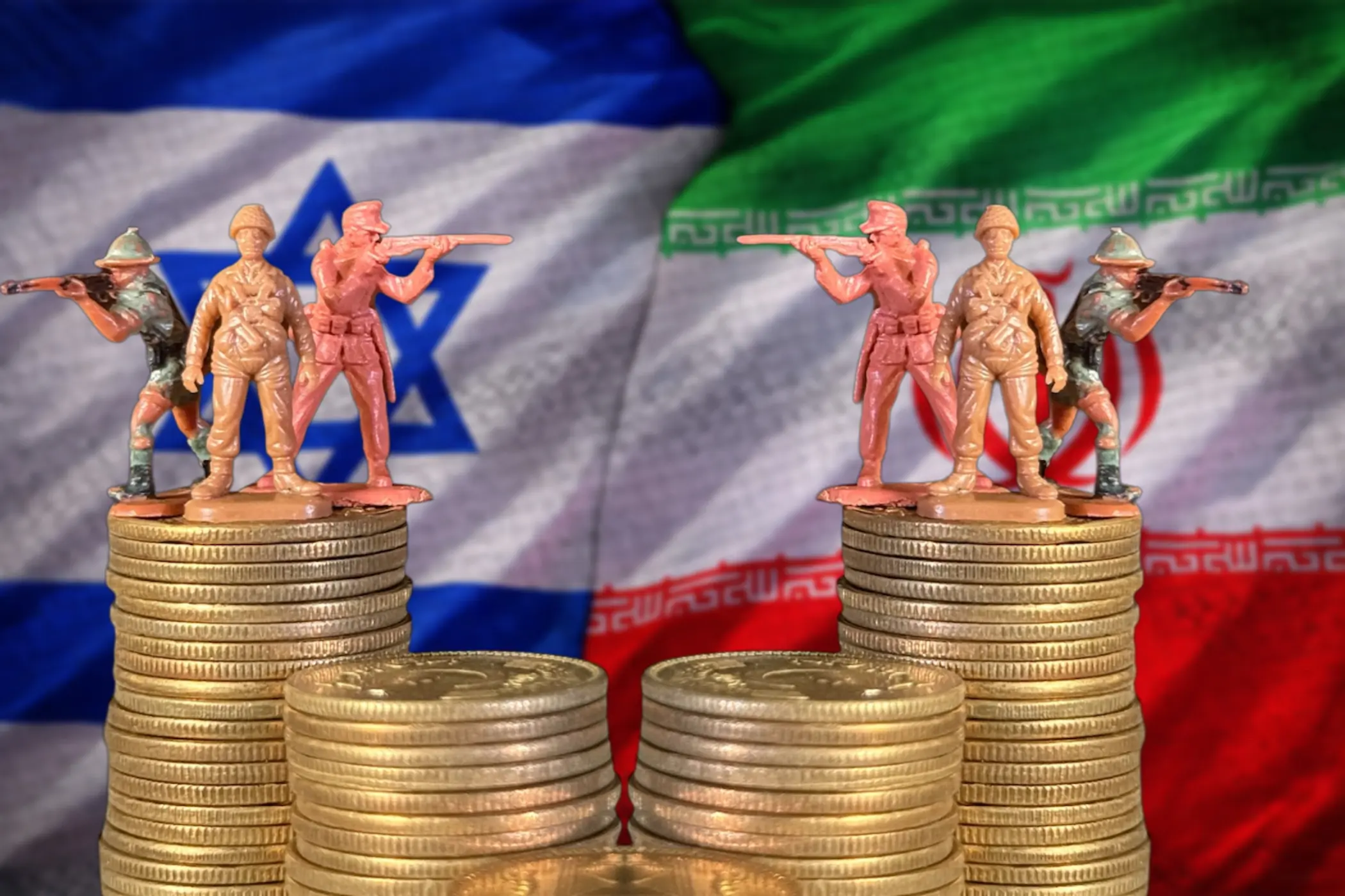
A defence economy comprises the fiscal, industrial, and budgetary systems through which a state finances, maintains, and adjusts its military capacity. During peacetime, these systems tend to remain stable; in wartime, they become the main mechanism through which conflict transforms a nation’s economic structure. The escalation of Israeli military operations since October 2023 and the broader confrontation with Iran and its regional proxies have caused a defence-economy shift, leading to significant realignments in how the conflicting sides allocate public resources, incur debt, and prioritise expenditure.
This analysis examines how sustained military escalation has reshaped the defence economies of its three key actors: Israel, Iran and the United States. It assesses both short-term fiscal responses and longer-term budget trajectories, arguing that the conflict has not produced a temporary spending spike but a structural transformation, one that has widened deficits, crowded out civilian services, mobilised domestic defence industries, accelerated sovereign credit deterioration, and embedded elevated military spending into national budgets in ways that will persist well beyond any ceasefire. Across the Middle East, the boundaries between battlefield expenditure and national economic health have become increasingly difficult to separate.

Programmes
13 Apr 2026
Blank Rounds: Can Trump Blockade the Strait of Hormuz?
President Donald Trump announced that the United States will impose a naval blockade on the Strait of Hormuz after weekend talks to end the Iran war collapsed without a settlement. The Islamabad negotiations, which were intended to turn a tenuous ceasefire into a durable peace and reopen Hormuz to safe navigation, broke down over unresolved disputes on nuclear enrichment, sanctions relief, and control of maritime transit. In response, Trump issued an executive order directing the US Navy to interdict any vessel attempting to transit the strait, with particular focus on neutral and commercial ships that have paid Iranian transit tolls, which the White House now characterises as an illegal extortion regime rather than a lawful fee regime.
Trump’s declaration instantly elevates the conflict from a regional shooting war to a global maritime and energy crisis centred on the world’s most critical oil chokepoint, a waterway just twenty‑one nautical miles across at its narrowest. By pledging to enforce a blockade without United Nations Security Council authorisation, the president has pushed the United States into a legally and operationally contested grey zone, framing the move as necessary to dismantle the Islamic Revolutionary Guard Corps’ grip over the strait and sever a key stream of cryptocurrency and foreign-exchange revenue to Tehran. The administration’s strategy now hinges on whether US naval power, layered secondary sanctions, and sustained diplomatic pressure can actually sustain a prolonged blockade in the face of Iranian asymmetric deterrence. The following analysis, therefore, centers on Trump’s blockade order itself: its operational viability, Iran’s capacity to erode or break it through asymmetric tactics, and the resulting shockwaves for global energy markets, commercial shipping patterns, and regional economic stability.

Programmes
7 Apr 2026
Breaking the Tether: How Iridium Unleashes Shahed Drones
The landscape of modern air warfare has undergone a profound and structural transformation over the past decade. Air superiority is no longer the exclusive domain of those possessing the most expensive and technologically advanced platforms; rather, it has become accessible to actors capable of effectively leveraging scale and repetition against sophistication and complexity. This new equation has been clearly manifested in the widespread deployment of one-way attack drones, particularly the Iranian “Shahed” series, which has significantly altered established strategic calculations. In their early iterations, these drones operated on relatively simple logic: they were pre-programmed with target coordinates and then launched to navigate their trajectories using conventional satellite navigation systems such as the American GPS and its Russian counterpart, GLONASS. However, this reliance on such systems simultaneously made them the most exploitable vulnerability, as defenders rapidly developed electronic warfare capabilities, including jamming and spoofing tools, to disrupt their guidance and neutralise their missions.
However, this reality did not endure for long. As the intensity of conflicts involving these systems escalated, Iranian drones transitioned into a fundamentally different phase with the integration of communication modules operating via the commercial satellite network Iridium. This was not merely a technical upgrade but a calculated and direct response to GPS vulnerabilities, reflecting a strategic exploitation of civilian infrastructure for military purposes. While GPS satellites struggle to withstand ground-based jamming due to the weakness of their signals transmitted from altitudes exceeding 20,000 kilometres, Iridium satellites operate in low Earth orbit at altitudes of no more than 800 kilometres, emitting signals up to a thousand times stronger. These signals are further protected by layers of encryption that make spoofing or manipulation extremely difficult.
Shahed drones have thus evolved from inert projectiles following a fixed, unalterable path into connected platforms linked to their operators in real time, capable of receiving updates, changing course, sharing data with other airborne units, and even conducting precise strikes against moving targets such as ships at sea. This report therefore offers an in-depth technical and strategic examination of this transformation and its battlefield implications, beginning with the structure and operating logic of the Iridium network, moving through an analysis of the Shahed-131 platform and the integration of these communications into it, and culminating in an assessment of the operational impact this has had on some of the world’s most complex and densely layered air defence systems, namely Israel’s multi-layered architecture, which faced its most severe tests between 2024 and 2026.

Programmes
3 Apr 2026
Kharg Island: The Point of No Return
The economic architecture of the Islamic Republic of Iran is defined by a persistent paradox. While decades of international sanctions have systematically reduced its formal integration into global energy markets, the state remains structurally tethered to a remarkably narrow set of export channels. At the absolute centre of this system lies Kharg Island, a strategic node that handles the overwhelming majority of the nation’s crude oil exports. To date, Western policy has focused on regulatory friction, using sanctions to increase transaction costs and discount prices. However, a transition from regulatory friction to kinetic disruption, specifically a scenario where the U.S. or allied strikes disable Kharg Island, would represent a fundamental phase shift.
Such an event would not merely be a temporary supply disruption; it would constitute a systemic rupture in Iran’s primary revenue-generation mechanism. It necessitates the consideration of a critical counterfactual: what occurs when oil ceases to function as the core economic pillar of the state, not through gradual policy shifts, but through an abrupt, physical termination of export capacity? The resulting post-oil environment would trigger a reconfiguration of the Iranian state, moving it from a centralized rentier model to a decentralized, network-based economy of scarcity.
Programmes
22 Mar 2026
From Partnership to Prudence: China’s Changing Investment Posture in Israel
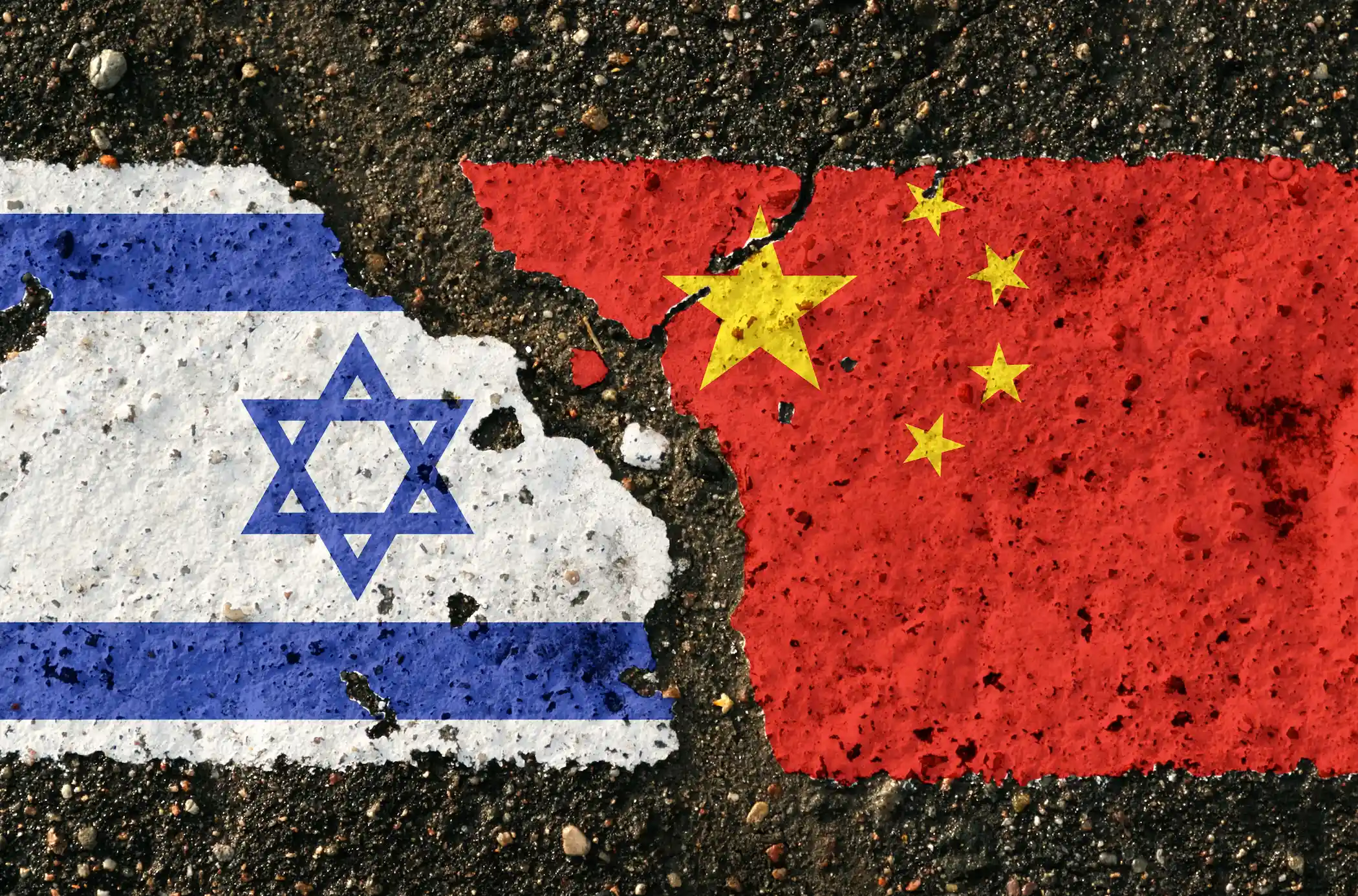
Economic and geopolitical relations between China and Israel have undergone significant changes following the War on Gaza. Chinese regulatory authorities moved to classify certain areas within Israel under what is known as the Red Category, an official administrative designation that identifies these locations as high-risk investment zones. This classification imposes legal restrictions that prevent the injection of new financial investments into these areas.
As a result, a legal environment has emerged in which Chinese companies rely on security warning protocols and personnel safety considerations as a formal justification for controlling capital flows and suspending the implementation of certain financial obligations under previously signed contracts. This development necessitates a careful examination to understand how these risk assessment mechanisms operate and their tangible impact on the economic relationship between the two countries.
Programmes
20 Mar 2026
Iran’s Fragile Economic Adaptation Under Military Pressure
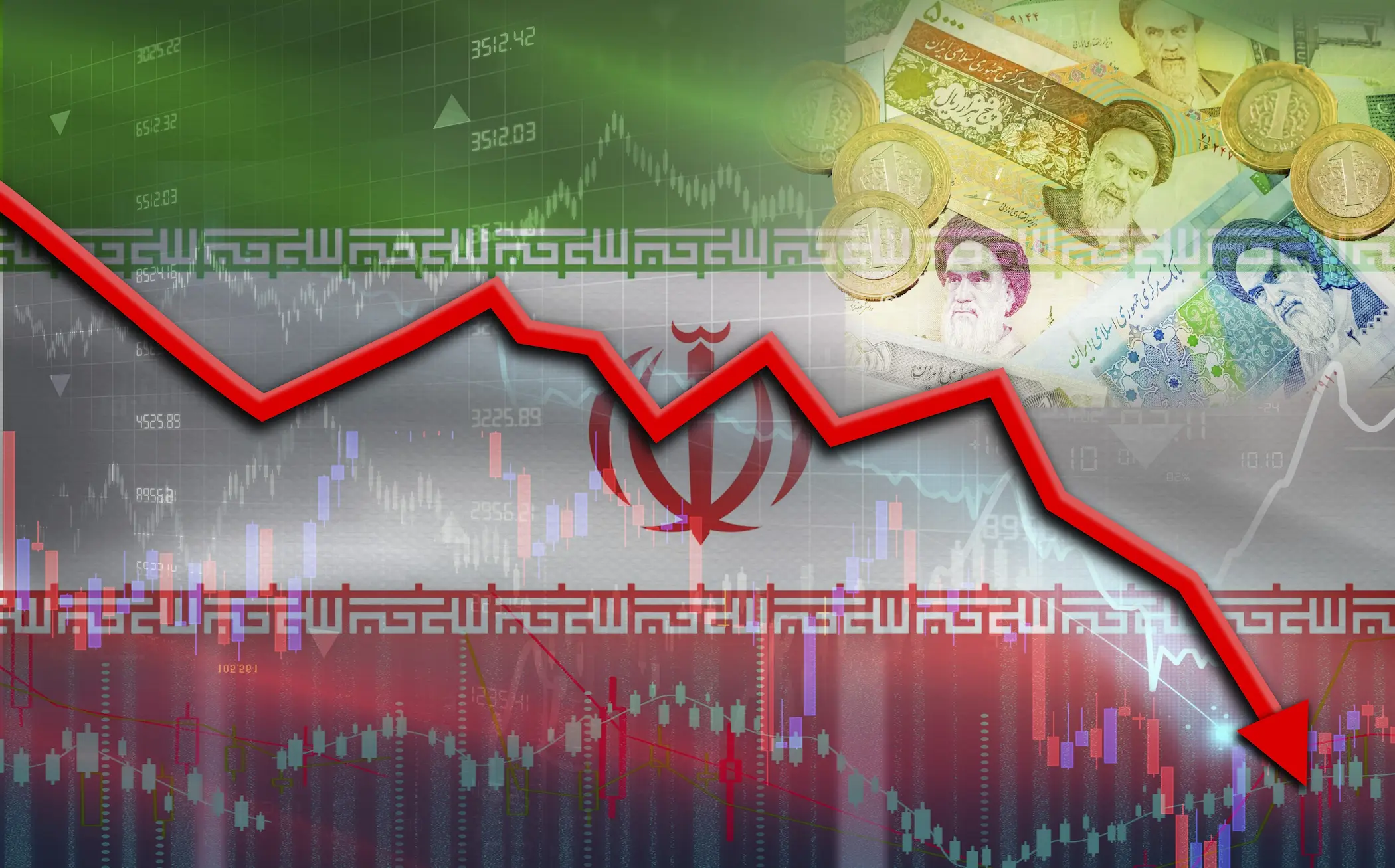
One of the most structurally fragile economies in the Middle East serves as the backdrop to Iran’s current military confrontation. Extensive international sanctions have, for more than a decade, restricted Iran’s access to global financial markets, constrained its energy exports, and limited foreign investment. Gradually, the Iranian economy came to evolve as a sanctions-adaptation economy, surviving persistent external pressure through informal trade networks, shadow energy exports, and alternative financial channels instead of collapsing outright.
Yet unlike sanctions, which create gradual economic constraints, war introduces a fundamentally different kind of shock by disrupting logistics networks, causing unprecedented damage to national infrastructure and compelling the state to reallocate its resources toward defense spending amid military escalation. Such shocks, for an already fragile economy operating at the limits of macroeconomic stability, can generate disproportionate consequences. The current conflict therefore brings into focus a central economic question: can Iran’s sanctions-adapted economy withstand the pressures of war, or will military escalation reveal structural weaknesses previously concealed by the sanction’s system?

Programmes
19 Mar 2026
Strait of Hormuz Closure: Strategic Implications for the Global Semiconductor Industry
Iran has blocked maritime navigation through the Strait of Hormuz since the first week of March, following the attacks it sustained during Operation Epic Fury. This disruption has hindered the movement of nearly 20 million barrels of crude oil per day. It has trapped shipments of liquefied natural gas, accounting for around 20% of global consumption, within the waters of the Arabian Gulf. As a result, international energy markets are experiencing sharp price volatility affecting Brent crude futures and European gas contracts.
At the same time, maritime shipping lines have been compelled to reroute their commercial fleets, forcing them to navigate around the historic Cape of Good Hope route at the southern tip of Africa. This enforced geographic diversion adds approximately 19 days to maritime transit times to and from Asia, generating weekly losses for global supply chains estimated at between $2 billion and $3 billion in additional operating and fuel costs.
This operational disruption directly affects the technological infrastructure of East Asia, where advanced semiconductor fabrication facilities in Taiwan and South Korea require vast, continuous electricity supplies to operate lithography systems around the clock. These critical facilities, which account for approximately 68% of global semiconductor production, rely on imported liquefied natural gas to ensure the stability of their power networks and prevent disruptions.
In parallel, the precision manufacturing processes involved depend on highly specialised raw materials whose primary sources are concentrated in regions currently affected by the crisis. In particular, production lines require ultra-high-purity helium gas, extracted as a by-product from Gulf LNG liquefaction facilities, which represent roughly 35% of global supply, as well as bromine, which Korean factories import at a rate of 97.5% from the Dead Sea coast for chemical etching processes. Accordingly, technology firms are accelerating efforts to assess their exposure to the dual energy and critical chemical input shortages. At the same time, economic stakeholders monitor the crisis's trajectory with heightened caution to safeguard supply chain continuity.
Accordingly, this analysis examines the strategic and operational implications arising from the closure, focusing on three principal dimensions. First, it addresses the disruption of liquefied natural gas supplies and their direct impact on the security of power grids that sustain major Asian semiconductor manufacturing hubs. Second, it examines the sharp interruption in the supply of critical raw materials, particularly specialised gases and petrochemical inputs required for precision manufacturing processes. Finally, it explores the logistical repercussions of the forced rerouting of maritime shipping routes, as well as the strategic measures states are considering to mitigate future geopolitical risks.