

Programmes
4 May 2026
The Consequences of Social Media and Memes as a Theatre of War
War is often fought on numerous battlefronts with state of warfare constantly evolving. In the case of the US-Israel-Iran War, drone and economic warfare are primarily tools of battle between the warring sides with the possibility extension to the seas following President Donald Trump’s proclamation of a naval blockade on the Strait of Hormuz. Although the primary theater of war in this conflict has been the skies with an impending theater about to open in the seas of the Gulf, there is another more unconventional theater that has been operating since the beginning of the war, the theater of social media. Since the beginning of the war both the US and Iran have used memes and social media platforms such as X and Instagram as propaganda tools to attack each other’s credibility and shift the war narrative in their favor by engaging wider audiences.
The purpose of this analysis is to explore the idea behind how social media and memes opened a new theater of war between the US and Iran since the start of hostilities in February 2026 and its consequences. This exploration is based on the idea the use of social media and memes transforms the individual from a spectator to active participant in the conflict, while also normalizing violence through humor. Moreover, by transforming social media into a theater of war, the belligerents transform the concept of war into an aesthetic, especially through the US military and White House’s use of social media and memes.

Programmes
29 Apr 2026
War, Pressure and Policy: Europe’s Gradual Turn on Israel
In recent years, European perceptions of Israel have undergone a noticeable shift, driven primarily by the war on Gaza following the events of 7 October 2023. What began as growing unease has gradually translated into a marked decline in public favourability across Europe, with many viewing Israel’s military response as disproportionately severe. This transformation in public sentiment, however, has not been immediately mirrored at the political level. European leaders have largely maintained a cautious and diplomatic posture, continuing to balance expressions of concern with longstanding commitments to “Israel’s right to self-defence”. That stance has begun to erode more recently. The regional escalation involving Iran has introduced direct economic and strategic pressures on Europe, prompting a more assertive, albeit still measured, response from policymakers. At the same time, political changes within Europe, including the emergence of leaders less firmly aligned with Israel, such as Hungary’s Prime Minister Péter Magyar, signal a gradual recalibration rather than a sudden rupture in policy.
This evolving landscape became particularly visible in late April 2026, when discussions emerged within the European Union around suspending the EU–Israel Association Agreement. Although the proposal did not advance, with key member states such as Germany and Italy blocking consensus, it nonetheless highlighted the extent to which previously unthinkable measures are now part of the policy debate. While the suspension of the agreement would carry significant economic consequences for Israel, its implementation remains constrained by the European Union’s (EU) internal political dynamics. Yet the inability to pursue this option does not imply a lack of leverage. The European Union retains a range of alternative instruments that can be deployed to exert pressure on Israel.
Programmes
28 Apr 2026
Execution for an Antenna: Starlink, Sovereignty, and Iran’s Internet Doctrine
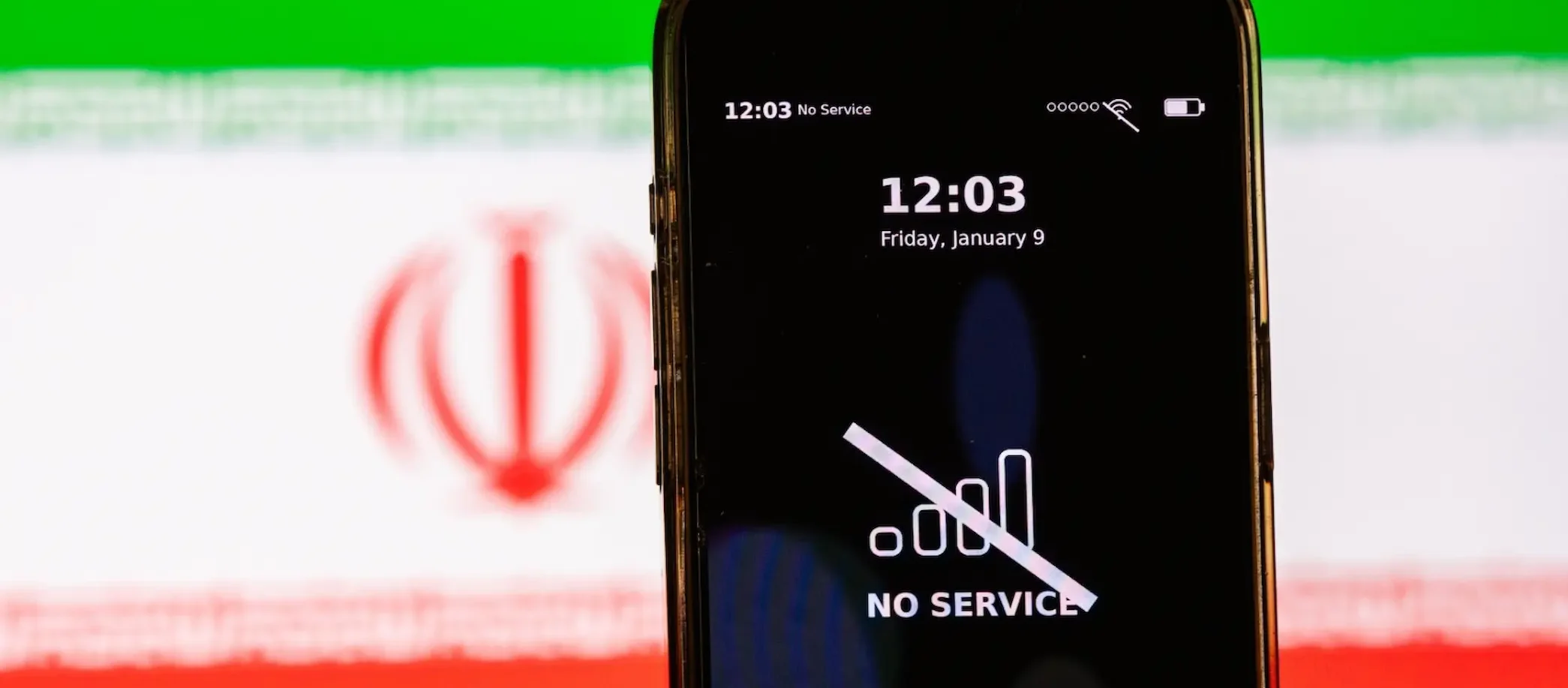
When governments shut down the internet, the standard justification is security, and the standard assumption is that the measure is temporary. Iran has tested both of those assumptions to their breaking point. Its nationwide internet blackout is now the longest ever imposed on an entire population, and Iranian authorities have simultaneously passed legislation making possession of a satellite internet terminal a criminal offence punishable by execution. These two facts are not separate policies responding to separate pressures. They are expressions of a single, long-prepared doctrine of information sovereignty, one in which connectivity is not a public utility to be temporarily suspended but a political instrument to be permanently controlled.
What Iran has built, and what it is now operating at scale for the first time, raises a question that extends well beyond its borders: when a state decides that controlling information is worth more than the economic cost of losing it, and the international system has no answer, what happens next?
Publications
20 Apr 2026
War and Politics Dynamics: How the Israel–Iran War Is Reshaping the 2026 Knesset Elections
The Israeli political system has undergone profound structural shifts following the launch of Operation Roaring Lion between Israel and Iran in late February 2026. This conflict marks a transition from traditional deterrence policies and proxy warfare to a doctrine of comprehensive confrontation and pre-emptive strikes targeting nuclear and military infrastructure deep inside Iran. These military developments have coincided with the approaching constitutional deadline for the twenty-sixth Knesset elections, due no later than October 2026, amid a politically fragile environment for Prime Minister Benjamin Netanyahu and his governing coalition. The confrontation has unfolded at a time when the executive leadership is experiencing a decline in political support, shaped by the continuing repercussions of intelligence and security failures linked to the events of 7 October 2023.
These challenges are compounded by declining domestic economic indicators, sharp societal divisions over legislation mandating military conscription for ultra-Orthodox Jews, and the ongoing trajectory of judicial proceedings. In this context, analytical evidence suggests that the executive leadership is seeking to leverage the state of national emergency to consolidate cohesion within its right-wing electoral base and to affirm the centrality of the current leadership in managing security threats within a complex parliamentary system. The intersection of protracted military conflicts with democratic electoral cycles imposes complex structural pressures on voting behaviour and the prospects of incumbent leadership. The demands of national mobilisation increasingly intersect with deeply rooted crises of institutional trust in the public consciousness. This analysis examines electoral calculations before and after the outbreak of the confrontation, reviews historical precedents in which extended wars have shaped successive Israeli governments, and analyses the strategic and personal drivers of decision-making, culminating in an assessment of potential trajectories for the reconfiguration of the electoral landscape ahead of the 2026 vote.
Programmes
15 Apr 2026
From Doha to Washington: How Hormuz Redrew Global Gas Supply Chains
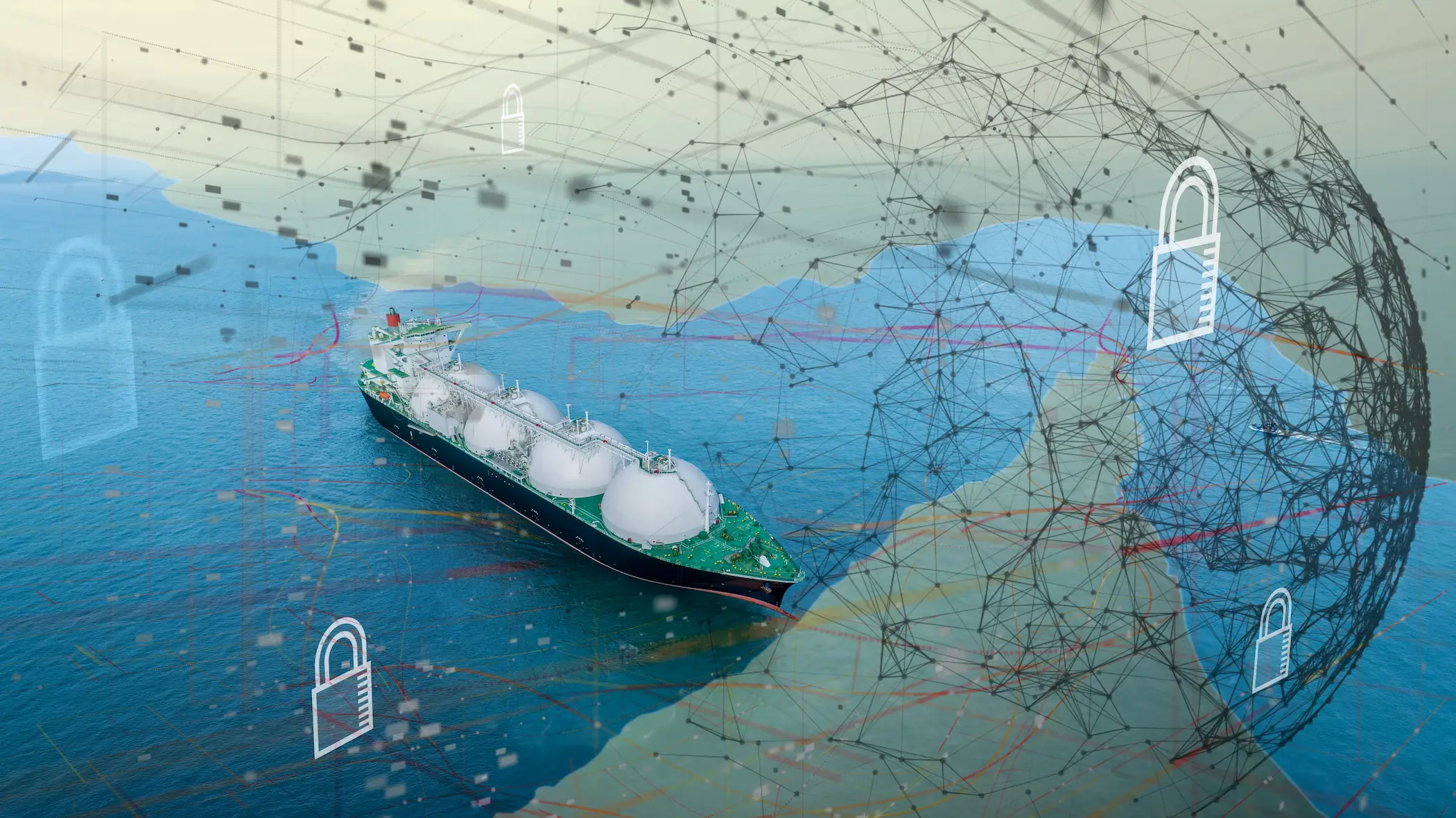
At the outset of 2026, the global natural gas market underwent a profound structural shift that eroded much of the stability built over years of rebalancing in the aftermath of the 2022 European energy crisis. Markets had been advancing towards a phase of relative supply abundance, underpinned by expanding liquefaction capacity in the United States (US) and large-scale Qatari projects. This trajectory was abruptly reversed on Feb. 28, 2026, when Operation Epic Fury triggered the most severe energy shock to confront the international system in decades. The US-Israel-Iran War and the closure of the Strait of Hormuz, removed nearly one-fifth of global liquefied natural gas supply from circulation within days.
This paper analyses the structural transformations in the global natural gas market induced by the crisis, tracing supply and demand dynamics before and after the outbreak of the conflict. It further evaluates the implications for key actors within the international energy system, including countries most exposed to global gas market volatility, such as Egypt and Jordan.

Programmes
13 Apr 2026
The Implications of the April 2026 U.S.–Iran Ceasefire on Oil Prices
On April 7, 2026, the United States (US) and Iran announced a temporary two-week ceasefire, following intensive diplomatic mediation led by Pakistan during a critical window of escalation. The conflict had erupted on Feb. 28, 2026, when the US and Israel launched coordinated military strikes targeting Iranian infrastructure. In response, Tehran moved to close the Strait of Hormuz to international commercial shipping, precipitating the most severe energy supply shock in modern market history.
The closure effectively paralysed approximately 20 million barrels per day that would ordinarily transit the Strait of Hormuz in peacetime, accounting for nearly a quarter of global seaborne oil trade. Under the terms of the ceasefire, Iran announced a conditional reopening of the strait, while the parties agreed to commence diplomatic talks in Islamabad on April 10. This analysis examines the full scope of the crisis and evaluates the prevailing oil price scenarios, drawing on lessons from comparable historical shocks to assess the fragility of the current environment and its potential trajectories.
Programmes
13 Apr 2026
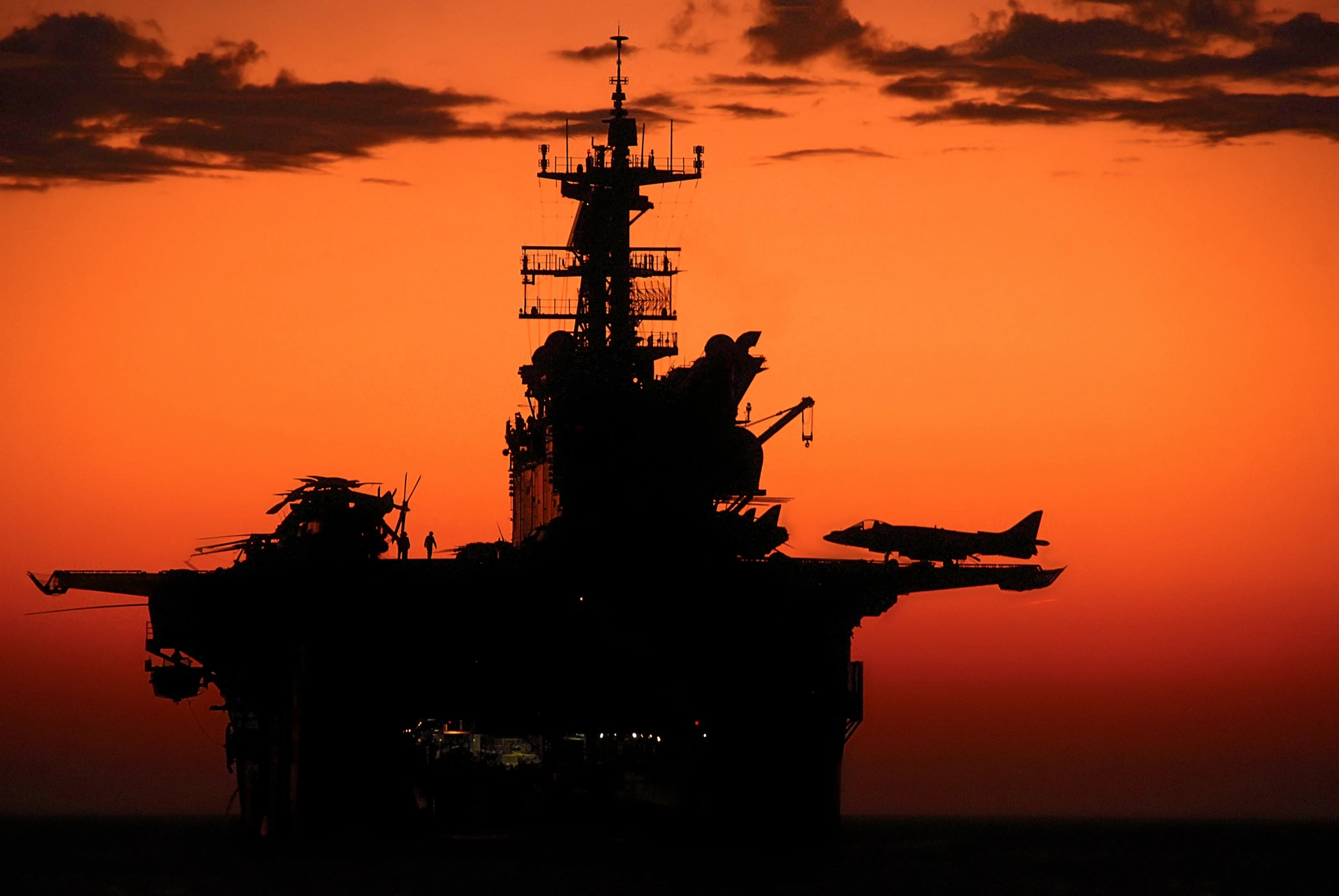
Defence Economies at War: National Budget Stress
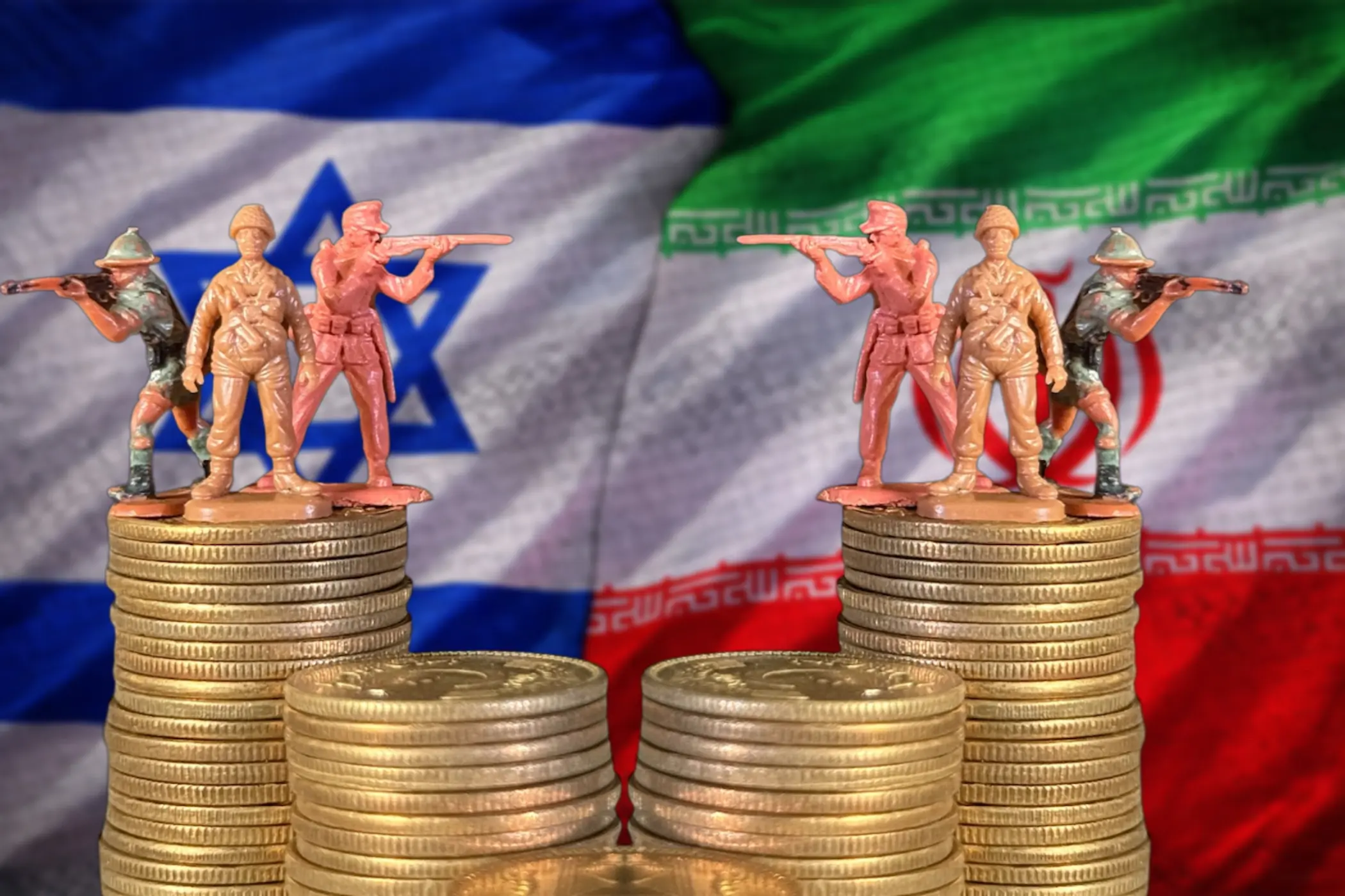
A defence economy comprises the fiscal, industrial, and budgetary systems through which a state finances, maintains, and adjusts its military capacity. During peacetime, these systems tend to remain stable; in wartime, they become the main mechanism through which conflict transforms a nation’s economic structure. The escalation of Israeli military operations since October 2023 and the broader confrontation with Iran and its regional proxies have caused a defence-economy shift, leading to significant realignments in how the conflicting sides allocate public resources, incur debt, and prioritise expenditure.
This analysis examines how sustained military escalation has reshaped the defence economies of its three key actors: Israel, Iran and the United States. It assesses both short-term fiscal responses and longer-term budget trajectories, arguing that the conflict has not produced a temporary spending spike but a structural transformation, one that has widened deficits, crowded out civilian services, mobilised domestic defence industries, accelerated sovereign credit deterioration, and embedded elevated military spending into national budgets in ways that will persist well beyond any ceasefire. Across the Middle East, the boundaries between battlefield expenditure and national economic health have become increasingly difficult to separate.
Programmes
13 Apr 2026
Blank Rounds: Can Trump Blockade the Strait of Hormuz?
President Donald Trump announced that the United States will impose a naval blockade on the Strait of Hormuz after weekend talks to end the Iran war collapsed without a settlement. The Islamabad negotiations, which were intended to turn a tenuous ceasefire into a durable peace and reopen Hormuz to safe navigation, broke down over unresolved disputes on nuclear enrichment, sanctions relief, and control of maritime transit. In response, Trump issued an executive order directing the US Navy to interdict any vessel attempting to transit the strait, with particular focus on neutral and commercial ships that have paid Iranian transit tolls, which the White House now characterises as an illegal extortion regime rather than a lawful fee regime.
Trump’s declaration instantly elevates the conflict from a regional shooting war to a global maritime and energy crisis centred on the world’s most critical oil chokepoint, a waterway just twenty‑one nautical miles across at its narrowest. By pledging to enforce a blockade without United Nations Security Council authorisation, the president has pushed the United States into a legally and operationally contested grey zone, framing the move as necessary to dismantle the Islamic Revolutionary Guard Corps’ grip over the strait and sever a key stream of cryptocurrency and foreign-exchange revenue to Tehran. The administration’s strategy now hinges on whether US naval power, layered secondary sanctions, and sustained diplomatic pressure can actually sustain a prolonged blockade in the face of Iranian asymmetric deterrence. The following analysis, therefore, centers on Trump’s blockade order itself: its operational viability, Iran’s capacity to erode or break it through asymmetric tactics, and the resulting shockwaves for global energy markets, commercial shipping patterns, and regional economic stability.
Programmes
8 Apr 2026
The Samson Option: Implications for the Nuclear Taboo and Fatalism
Israel’s nuclear arsenal is one of the “worst-kept secrets” in the MENA region due to the strategic ambiguity regarding its existence. Currently, Israel is not a signatory to the Nuclear Proliferation Treaty and is allegedly the only state in the MENA region to possess nuclear warheads. It is estimated that Israel currently in possession of approximately 80 nuclear warheads that can be deployed through ballistic missiles or by aircraft. While this nuclear program is shrouded in ambiguity, there is a genuine fear that Israel can reveal the full extent of its nuclear capabilities in the form of the Samson Option, which can bare consequences for the nuclear taboo as well as adverse psychological effects for the MENA region and the world.

Programmes
7 Apr 2026
Breaking the Tether: How Iridium Unleashes Shahed Drones
The landscape of modern air warfare has undergone a profound and structural transformation over the past decade. Air superiority is no longer the exclusive domain of those possessing the most expensive and technologically advanced platforms; rather, it has become accessible to actors capable of effectively leveraging scale and repetition against sophistication and complexity. This new equation has been clearly manifested in the widespread deployment of one-way attack drones, particularly the Iranian “Shahed” series, which has significantly altered established strategic calculations. In their early iterations, these drones operated on relatively simple logic: they were pre-programmed with target coordinates and then launched to navigate their trajectories using conventional satellite navigation systems such as the American GPS and its Russian counterpart, GLONASS. However, this reliance on such systems simultaneously made them the most exploitable vulnerability, as defenders rapidly developed electronic warfare capabilities, including jamming and spoofing tools, to disrupt their guidance and neutralise their missions.
However, this reality did not endure for long. As the intensity of conflicts involving these systems escalated, Iranian drones transitioned into a fundamentally different phase with the integration of communication modules operating via the commercial satellite network Iridium. This was not merely a technical upgrade but a calculated and direct response to GPS vulnerabilities, reflecting a strategic exploitation of civilian infrastructure for military purposes. While GPS satellites struggle to withstand ground-based jamming due to the weakness of their signals transmitted from altitudes exceeding 20,000 kilometres, Iridium satellites operate in low Earth orbit at altitudes of no more than 800 kilometres, emitting signals up to a thousand times stronger. These signals are further protected by layers of encryption that make spoofing or manipulation extremely difficult.
Shahed drones have thus evolved from inert projectiles following a fixed, unalterable path into connected platforms linked to their operators in real time, capable of receiving updates, changing course, sharing data with other airborne units, and even conducting precise strikes against moving targets such as ships at sea. This report therefore offers an in-depth technical and strategic examination of this transformation and its battlefield implications, beginning with the structure and operating logic of the Iridium network, moving through an analysis of the Shahed-131 platform and the integration of these communications into it, and culminating in an assessment of the operational impact this has had on some of the world’s most complex and densely layered air defence systems, namely Israel’s multi-layered architecture, which faced its most severe tests between 2024 and 2026.

Programmes
3 Apr 2026
Kharg Island: The Point of No Return
The economic architecture of the Islamic Republic of Iran is defined by a persistent paradox. While decades of international sanctions have systematically reduced its formal integration into global energy markets, the state remains structurally tethered to a remarkably narrow set of export channels. At the absolute centre of this system lies Kharg Island, a strategic node that handles the overwhelming majority of the nation’s crude oil exports. To date, Western policy has focused on regulatory friction, using sanctions to increase transaction costs and discount prices. However, a transition from regulatory friction to kinetic disruption, specifically a scenario where the U.S. or allied strikes disable Kharg Island, would represent a fundamental phase shift.
Such an event would not merely be a temporary supply disruption; it would constitute a systemic rupture in Iran’s primary revenue-generation mechanism. It necessitates the consideration of a critical counterfactual: what occurs when oil ceases to function as the core economic pillar of the state, not through gradual policy shifts, but through an abrupt, physical termination of export capacity? The resulting post-oil environment would trigger a reconfiguration of the Iranian state, moving it from a centralized rentier model to a decentralized, network-based economy of scarcity.
Programmes
1 Apr 2026
Pulse: The United States-Israel-Iran War
This Pulse survey, conducted in March 2026, explores perceptions of the ongoing war and its potential trajectories, focusing on expectations around its duration, outcomes, and broader regional and global implications. The findings reveal a high degree of uncertainty, with no clear consensus on how or when the conflict will end, reflecting the complexity and fluidity of the situation.