

Programmes
13 Apr 2026
The Implications of the April 2026 U.S.–Iran Ceasefire on Oil Prices
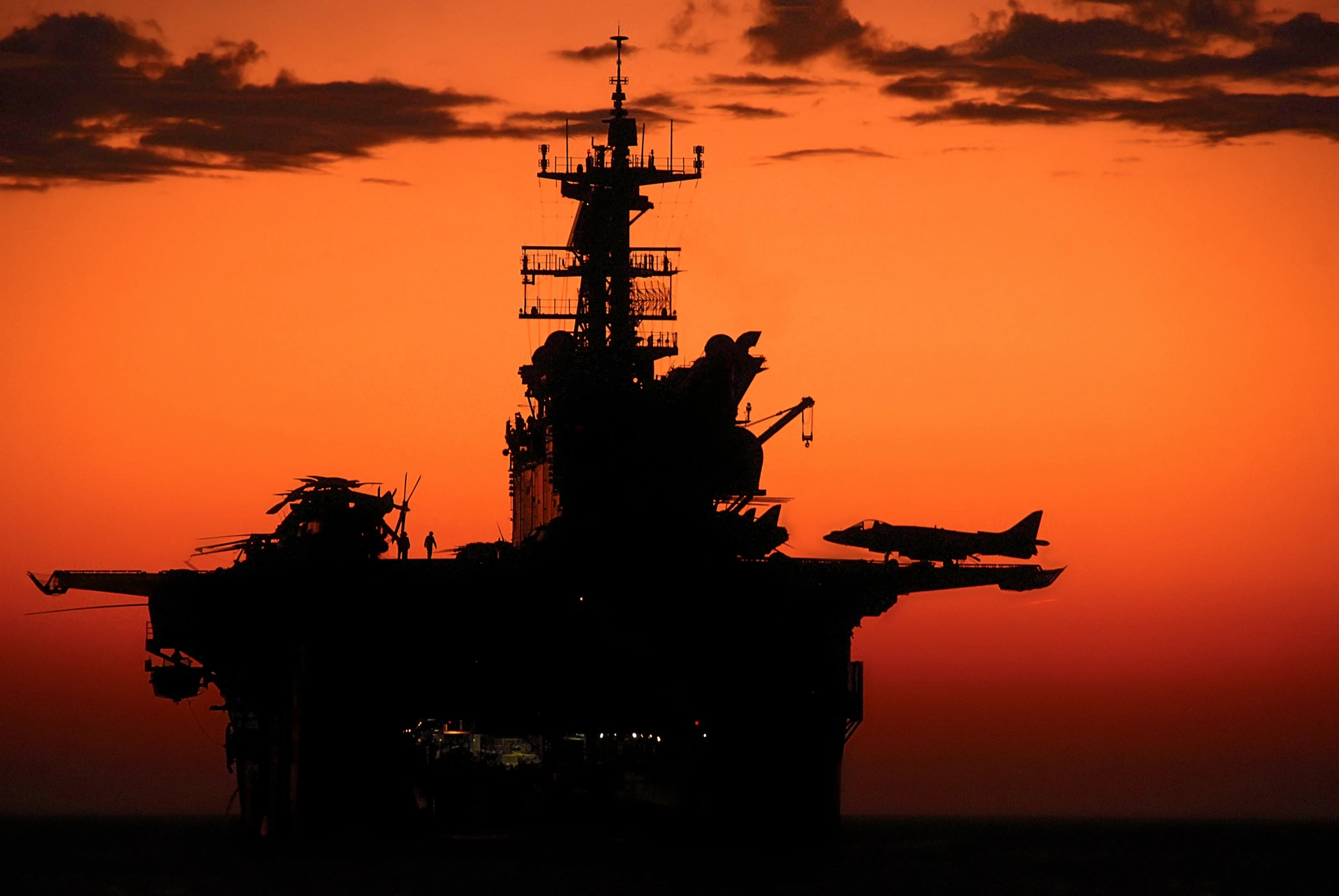
On April 7, 2026, the United States (US) and Iran announced a temporary two-week ceasefire, following intensive diplomatic mediation led by Pakistan during a critical window of escalation. The conflict had erupted on Feb. 28, 2026, when the US and Israel launched coordinated military strikes targeting Iranian infrastructure. In response, Tehran moved to close the Strait of Hormuz to international commercial shipping, precipitating the most severe energy supply shock in modern market history.
The closure effectively paralysed approximately 20 million barrels per day that would ordinarily transit the Strait of Hormuz in peacetime, accounting for nearly a quarter of global seaborne oil trade. Under the terms of the ceasefire, Iran announced a conditional reopening of the strait, while the parties agreed to commence diplomatic talks in Islamabad on April 10. This analysis examines the full scope of the crisis and evaluates the prevailing oil price scenarios, drawing on lessons from comparable historical shocks to assess the fragility of the current environment and its potential trajectories.
Programmes
13 Apr 2026
Blank Rounds: Can Trump Blockade the Strait of Hormuz?
President Donald Trump announced that the United States will impose a naval blockade on the Strait of Hormuz after weekend talks to end the Iran war collapsed without a settlement. The Islamabad negotiations, which were intended to turn a tenuous ceasefire into a durable peace and reopen Hormuz to safe navigation, broke down over unresolved disputes on nuclear enrichment, sanctions relief, and control of maritime transit. In response, Trump issued an executive order directing the US Navy to interdict any vessel attempting to transit the strait, with particular focus on neutral and commercial ships that have paid Iranian transit tolls, which the White House now characterises as an illegal extortion regime rather than a lawful fee regime.
Trump’s declaration instantly elevates the conflict from a regional shooting war to a global maritime and energy crisis centred on the world’s most critical oil chokepoint, a waterway just twenty‑one nautical miles across at its narrowest. By pledging to enforce a blockade without United Nations Security Council authorisation, the president has pushed the United States into a legally and operationally contested grey zone, framing the move as necessary to dismantle the Islamic Revolutionary Guard Corps’ grip over the strait and sever a key stream of cryptocurrency and foreign-exchange revenue to Tehran. The administration’s strategy now hinges on whether US naval power, layered secondary sanctions, and sustained diplomatic pressure can actually sustain a prolonged blockade in the face of Iranian asymmetric deterrence. The following analysis, therefore, centers on Trump’s blockade order itself: its operational viability, Iran’s capacity to erode or break it through asymmetric tactics, and the resulting shockwaves for global energy markets, commercial shipping patterns, and regional economic stability.

Programmes
7 Apr 2026
Breaking the Tether: How Iridium Unleashes Shahed Drones
The landscape of modern air warfare has undergone a profound and structural transformation over the past decade. Air superiority is no longer the exclusive domain of those possessing the most expensive and technologically advanced platforms; rather, it has become accessible to actors capable of effectively leveraging scale and repetition against sophistication and complexity. This new equation has been clearly manifested in the widespread deployment of one-way attack drones, particularly the Iranian “Shahed” series, which has significantly altered established strategic calculations. In their early iterations, these drones operated on relatively simple logic: they were pre-programmed with target coordinates and then launched to navigate their trajectories using conventional satellite navigation systems such as the American GPS and its Russian counterpart, GLONASS. However, this reliance on such systems simultaneously made them the most exploitable vulnerability, as defenders rapidly developed electronic warfare capabilities, including jamming and spoofing tools, to disrupt their guidance and neutralise their missions.
However, this reality did not endure for long. As the intensity of conflicts involving these systems escalated, Iranian drones transitioned into a fundamentally different phase with the integration of communication modules operating via the commercial satellite network Iridium. This was not merely a technical upgrade but a calculated and direct response to GPS vulnerabilities, reflecting a strategic exploitation of civilian infrastructure for military purposes. While GPS satellites struggle to withstand ground-based jamming due to the weakness of their signals transmitted from altitudes exceeding 20,000 kilometres, Iridium satellites operate in low Earth orbit at altitudes of no more than 800 kilometres, emitting signals up to a thousand times stronger. These signals are further protected by layers of encryption that make spoofing or manipulation extremely difficult.
Shahed drones have thus evolved from inert projectiles following a fixed, unalterable path into connected platforms linked to their operators in real time, capable of receiving updates, changing course, sharing data with other airborne units, and even conducting precise strikes against moving targets such as ships at sea. This report therefore offers an in-depth technical and strategic examination of this transformation and its battlefield implications, beginning with the structure and operating logic of the Iridium network, moving through an analysis of the Shahed-131 platform and the integration of these communications into it, and culminating in an assessment of the operational impact this has had on some of the world’s most complex and densely layered air defence systems, namely Israel’s multi-layered architecture, which faced its most severe tests between 2024 and 2026.
Programmes
1 Apr 2026
Pulse: The United States-Israel-Iran War
This Pulse survey, conducted in March 2026, explores perceptions of the ongoing war and its potential trajectories, focusing on expectations around its duration, outcomes, and broader regional and global implications. The findings reveal a high degree of uncertainty, with no clear consensus on how or when the conflict will end, reflecting the complexity and fluidity of the situation.
Programmes
1 Apr 2026
What If: The United States Launched a Ground Invasion of Iran?
In light of the intensifying United States–Israel-Iran War, the prospect of a direct American ground operation has shifted from a remote contingency to a plausible escalation. As strikes expand beyond air and naval targets to critical infrastructure, the conflict is approaching a threshold that could fundamentally alter its trajectory, with risks extending from prolonged warfare to disruption of global energy flows and regional instability.
While Washington may aim for limited objectives through targeted ground incursions, such as seizing key assets like Kharg Island, such operations are unlikely to remain contained. President Trump has acknowledged that “we have a lot of options,” reflecting both strategic flexibility and uncertainty about the next phase.
Iranian leadership has responded in kind. Parliament Speaker Mohammad Bagher Ghalibaf warned that Iranian forces are “waiting for the arrival of American troops on the ground,” signaling that any incursion would trigger immediate and sustained retaliation. In this context, a ground invasion would not be a controlled escalation, but a turning point with far-reaching military, regional, and global consequences.
Programmes
31 Mar 2026
What If: The Houthis Close Bab el-Mandeb?
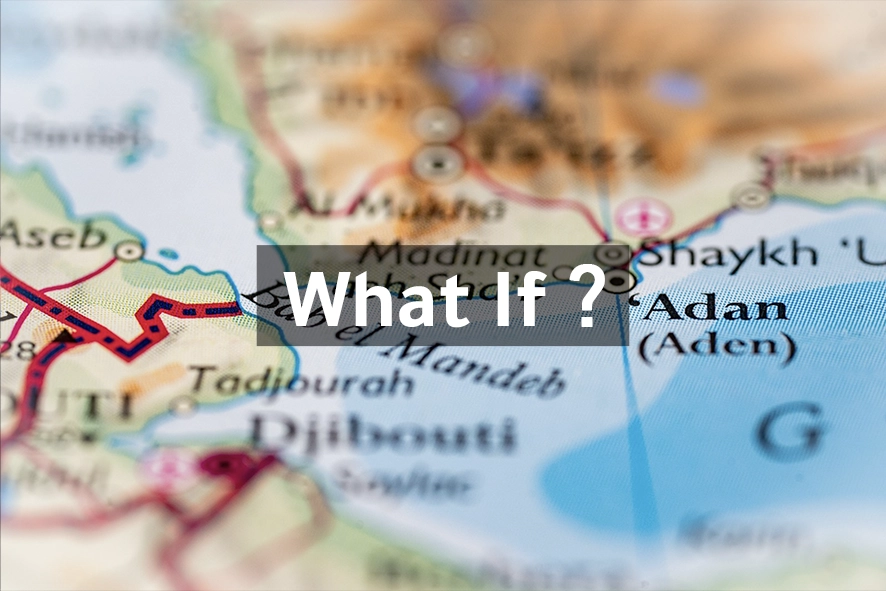
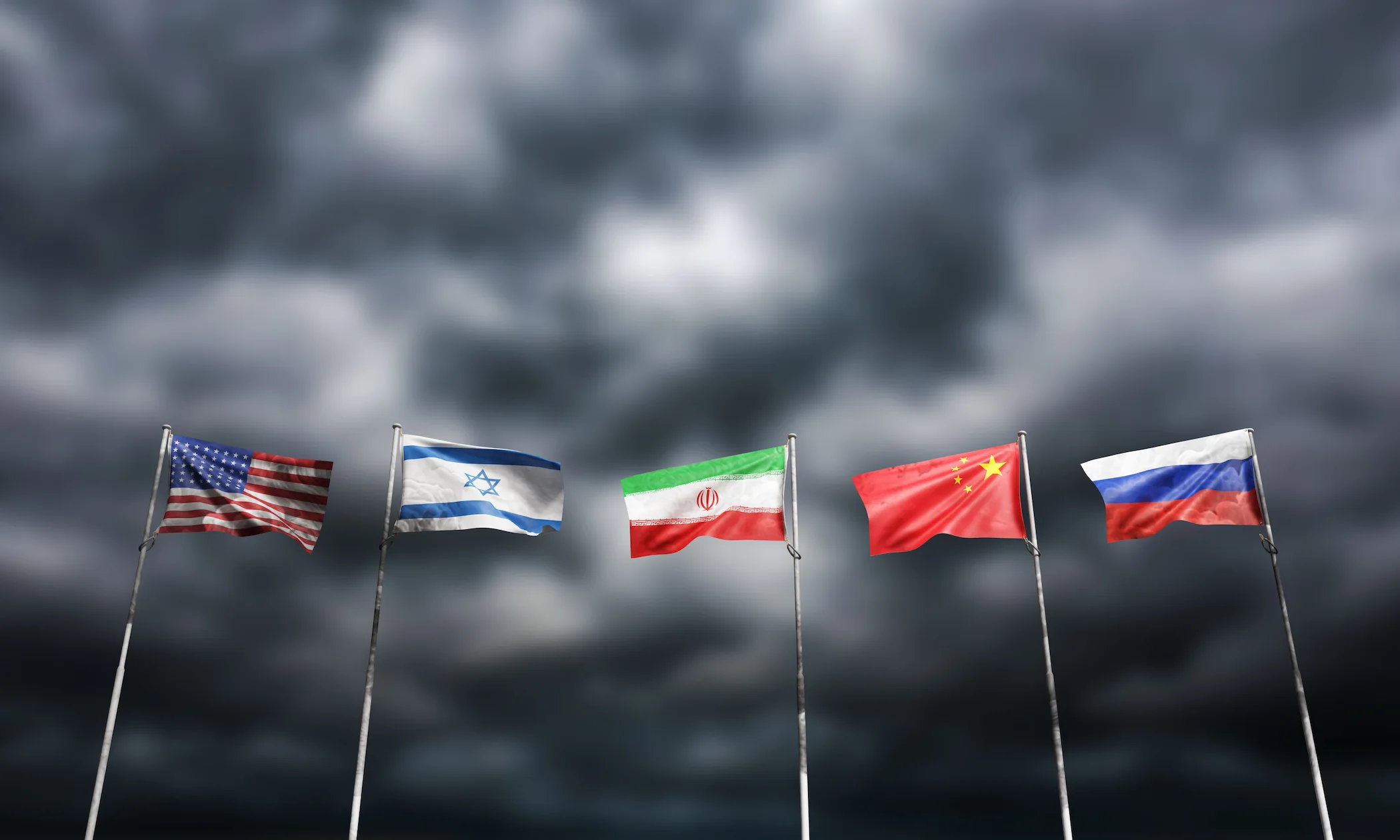
The United States–Israel–Iran war, which began with a set of vaguely defined objectives including regime change in Iran and the dismantling of its missile and nuclear capabilities, now appears to be shifting toward a different set of priorities. Iran has managed to internationalise the conflict in a way that has redirected attention toward containing the scale of global economic disruption. Put simply, the focus is increasingly on securing the flow of oil amid what is being described as one of the most severe energy crises in modern history. Much of the world’s attention has centred on the Strait of Hormuz, and rightly so. This vital shipping lane accounts for roughly 20% of global liquid petroleum consumption, as well as a significant share of global liquefied natural gas trade (LNG). However, with the Iran-backed Yemeni Houthis now entering the conflict, the risks facing regional oil exports and maritime routes have intensified further. As the de facto controllers of the Bab al-Mandeb Strait, the Houthis are in a position to disrupt shipping through the Red Sea and the Gulf of Aden.
This raises several critical questions. Why have the Houthis chosen this moment to enter the war? Under what conditions might they escalate their involvement? And what would be the consequences of a closure of the strait?
Programmes
25 Mar 2026
Iran as a Potential Arena for Great Power Competition
The U.S.-Israel-Iran War is well underway, and the risks of spillover and enlargement is becoming more of a reality as the war goes on. As the conflict continues to expand, several actors are seeking out opportunities to challenge the existing balance of power in the region and aim to exploit the war to expand their influence. In the past decade, Russia has been working to court the United States’ MENA allies into its sphere of influence through the concept of regime stability, while China is taking on a soft power approach through economic and diplomatic cooperation. A prolonged war between the U.S.-Israel and Iran can result in global powers such as Russia and China getting more involved in the region to diminish American influence globally, which can result in a great power competition. The potential of Iran serving as an arena for great power competition will be explored through the American strategic overstretch and the economic shock caused by energy crisis.
Programmes
24 Mar 2026
The Ripple Effect of the US-Israel-Iran War on the Russia–Ukraine War
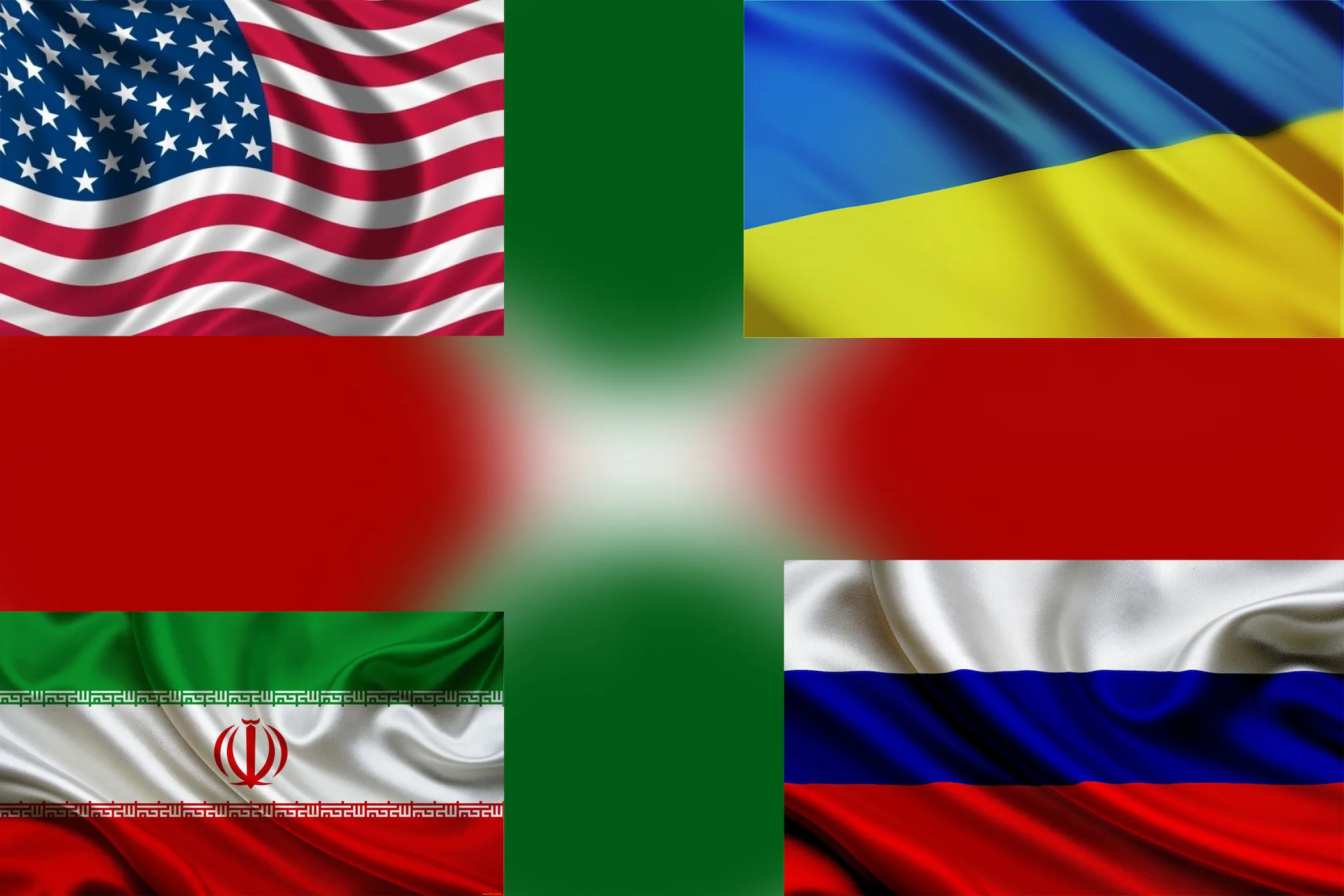
The long-standing efforts to end the Russia-Ukraine War were disturbed by the sudden outbreak of the U.S.-Israel-Iran War. The strikes carried out by the United States and Israel against Iran, and their broader spill-overs across the Middle East, have hindered the already difficult peace negotiations between Moscow and Kyiv. This escalation raises concerns about the extent to which the U.S.-Israel-Iran War could have on the broader geopolitical dynamics. This war risks diverting global attention away from efforts to resolve the Russia-Ukraine War and, at the same time, raises concerns about the extent to which it could reshape power dynamics and influence the trajectory of this war.
Programmes
15 Mar 2026
Strait of Hormuz Closure: How Middle Eastern Crises Are Reshaping the Global Nuclear Energy Landscape
The United States and Israel launched Operation Epic Fury in late February 2026, targeting Iran’s nuclear and missile infrastructure and seeking to remove its political leadership. Although the operation achieved its initial tactical objectives with high precision, it provoked an asymmetric retaliatory response from the remaining Iranian forces. This response took the form of a comprehensive blockade of the Strait of Hormuz, the world’s most critical maritime artery for energy transport, triggering a severe global economic shock. Such disruption could propel the international system towards reducing its reliance on fossil fuels and accelerating the adoption of alternative domestic energy solutions, most notably nuclear power.
At the same time, global electricity demand is rising sharply, driven by the rapid expansion of advanced artificial intelligence infrastructure and high-performance computing facilities. This sudden disruption of fuel supplies places policymakers in major industrial economies under immediate economic and security pressures, while simultaneously exposing the profound consequences of closing the Strait. In this context, the present analysis examines the repercussions of the Strait of Hormuz's closure on global supply chains. It then develops a historical comparison with the oil price shocks of the 1970s, illustrating how those crises redirected states towards nuclear technology. The study concludes by analysing emerging regulatory and financial measures, as well as new geopolitical alignments, that are accelerating the global drive to construct nuclear reactors in 2026.
Programmes
11 Mar 2026
The Turkey-Israel Fault Line and the Future of the Middle East
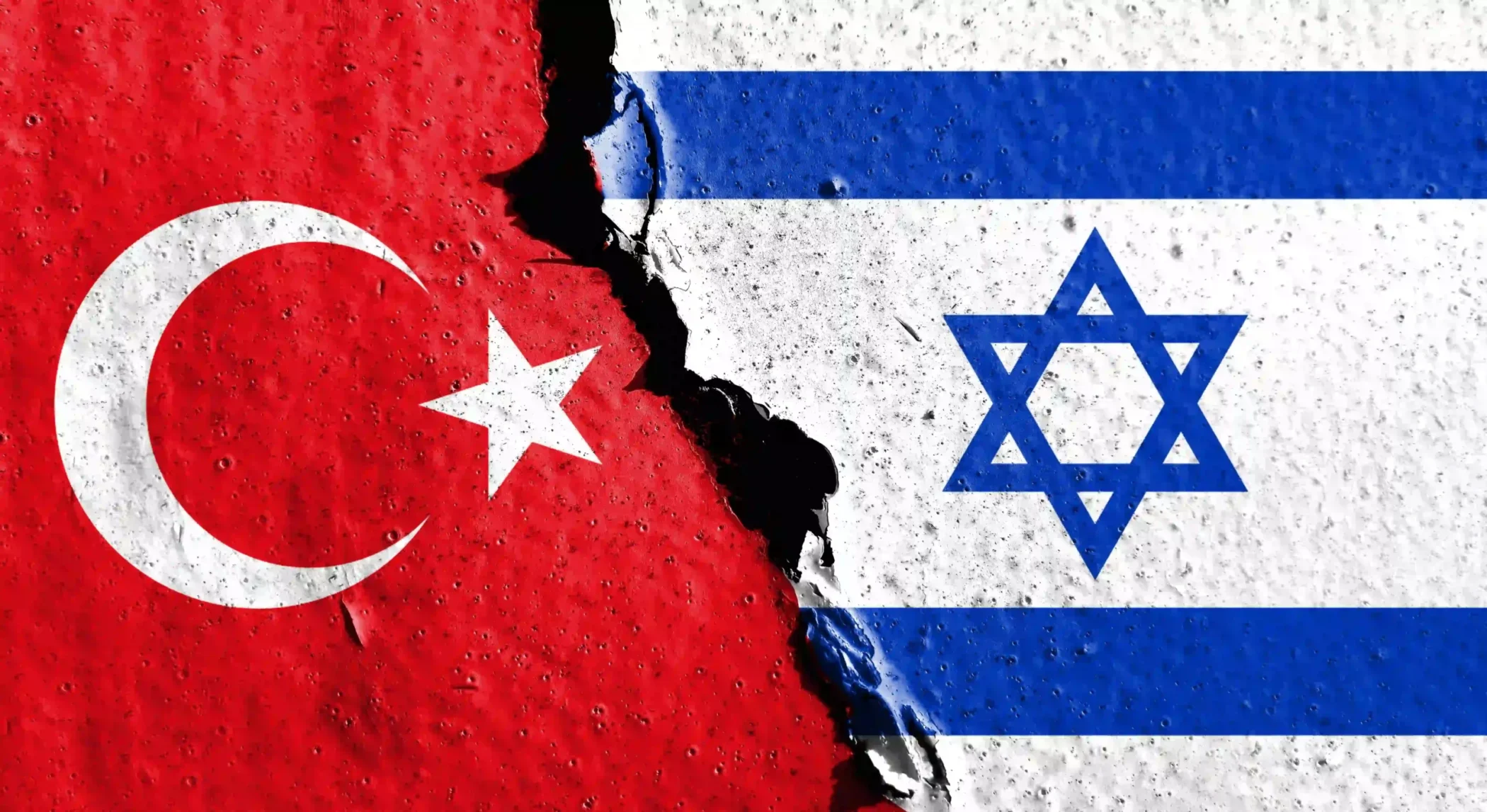
The United States and Israel's joint military campaign against Iran is upending the strategic order of the Middle East in ways that extend far beyond Tehran. The strikes have killed Iran's Supreme Leader Ali Khamenei, targeted Iran's military and nuclear infrastructure, and triggered retaliatory Iranian attacks across the region. As the war enters its second week, a second and potentially more consequential shift is taking shape. With Iran's role as the dominant pole of regional opposition to Israel now in question, a new rivalry is hardening between Israel and Turkey, one that carries different stakes, different risks, and a far more unpredictable trajectory than the confrontation the current war was designed to resolve. Understanding this emerging fault line requires examining both the structural forces pushing the two states apart and the domestic political dynamics that risk turning competitive rhetoric into irreversible confrontation.
Programmes
10 Mar 2026
How the US-Israel-Iran War Could Reshape the 2026 Midterms
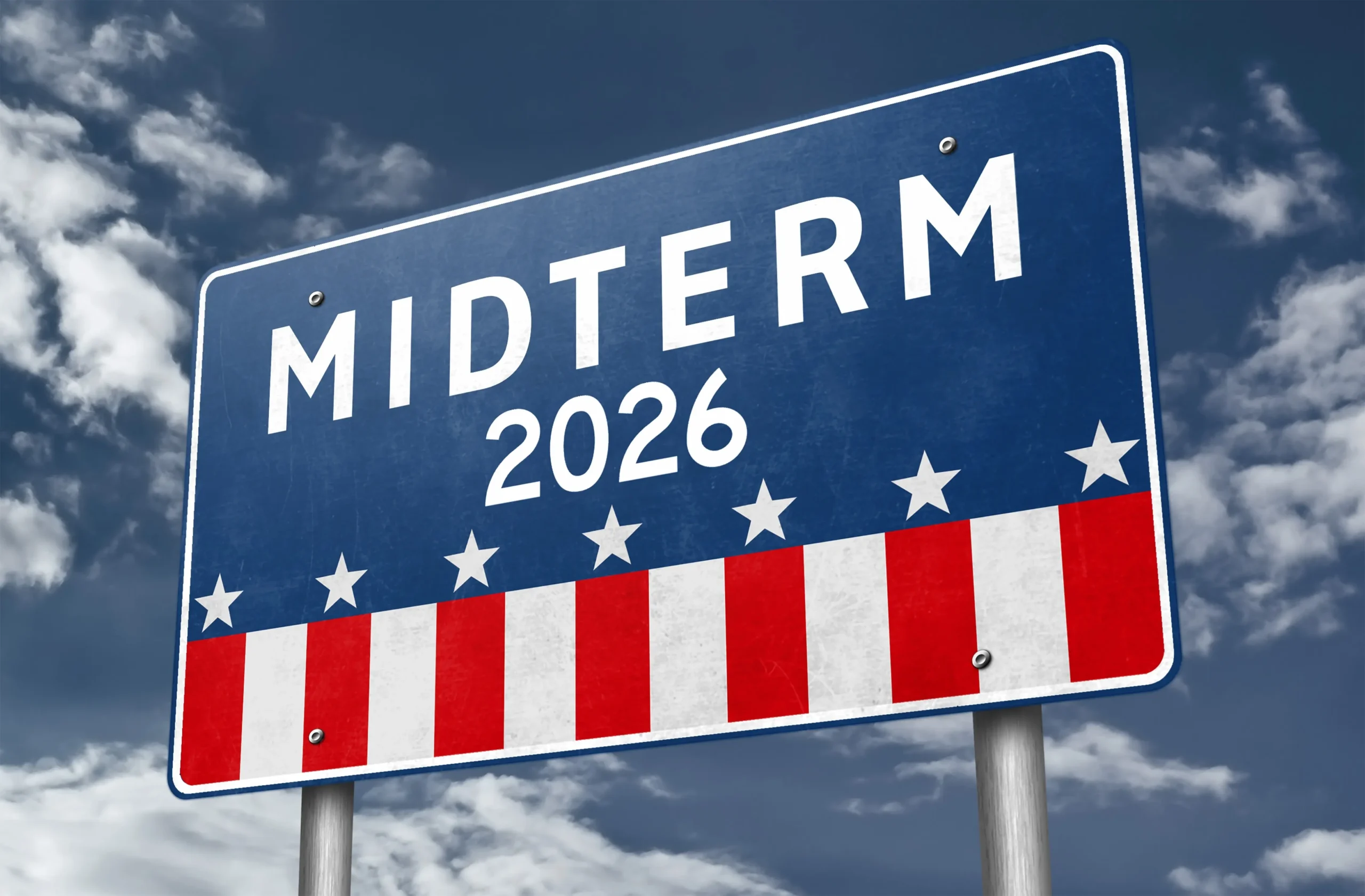
The United States entered the second week of its joint military campaign against Iran on March 7, 2026, having launched Operation Epic Fury alongside Israel on February 28. Within days, the conflict had killed Supreme Leader Ali Khamenei, triggered Iranian retaliatory strikes across the Gulf, and drawn in regional powers from Bahrain to Lebanon. For the Republican Party, the war arrived at what was already an exceptionally precarious moment — one in which the historical forces of midterm politics, falling presidential approval, and a restless voter coalition had already conspired against them. The onset of a major, unpopular war has only deepened those vulnerabilities, and the question facing the GOP heading into November is no longer simply whether they will lose seats, but how many.

Programmes
8 Mar 2026
AI in War: What the Iran War Reveals About the Pentagon’s Algorithms
On Feb. 28, 2026, the United States and Israel launched a military campaign against Iran, striking more than 900 targets in the first 12 hours and killing Iran’s Supreme Leader Ayatollah Ali Khamenei. The conflict is still raging, with strikes continuing across the country and the region destabilising by the day. Yet behind the missiles and fighter jets lies another revolution in how this war is being fought.
AI, the same technology that millions use daily to draft emails or summarise documents, has become a central instrument of lethal military power. Anthropic’s Claude AI model is embedded inside the Pentagon’s targeting and intelligence apparatus, processing satellite imagery, intercepted communications, and operational data to help commanders decide who to strike, where, and when.
What once required days of human analysis is now compressed into hours or minutes, enabling a pace of warfare that no prior generation of military planners could have executed. AI has been present on battlefields before, from drone guidance systems to satellite image analysis, but the Iran conflict represents its most expansive and consequential deployment to date, and the full implications of that scale are still unfolding.